Bodh Gaya, Trump Glitter: What Changed Next
December 3, 2023



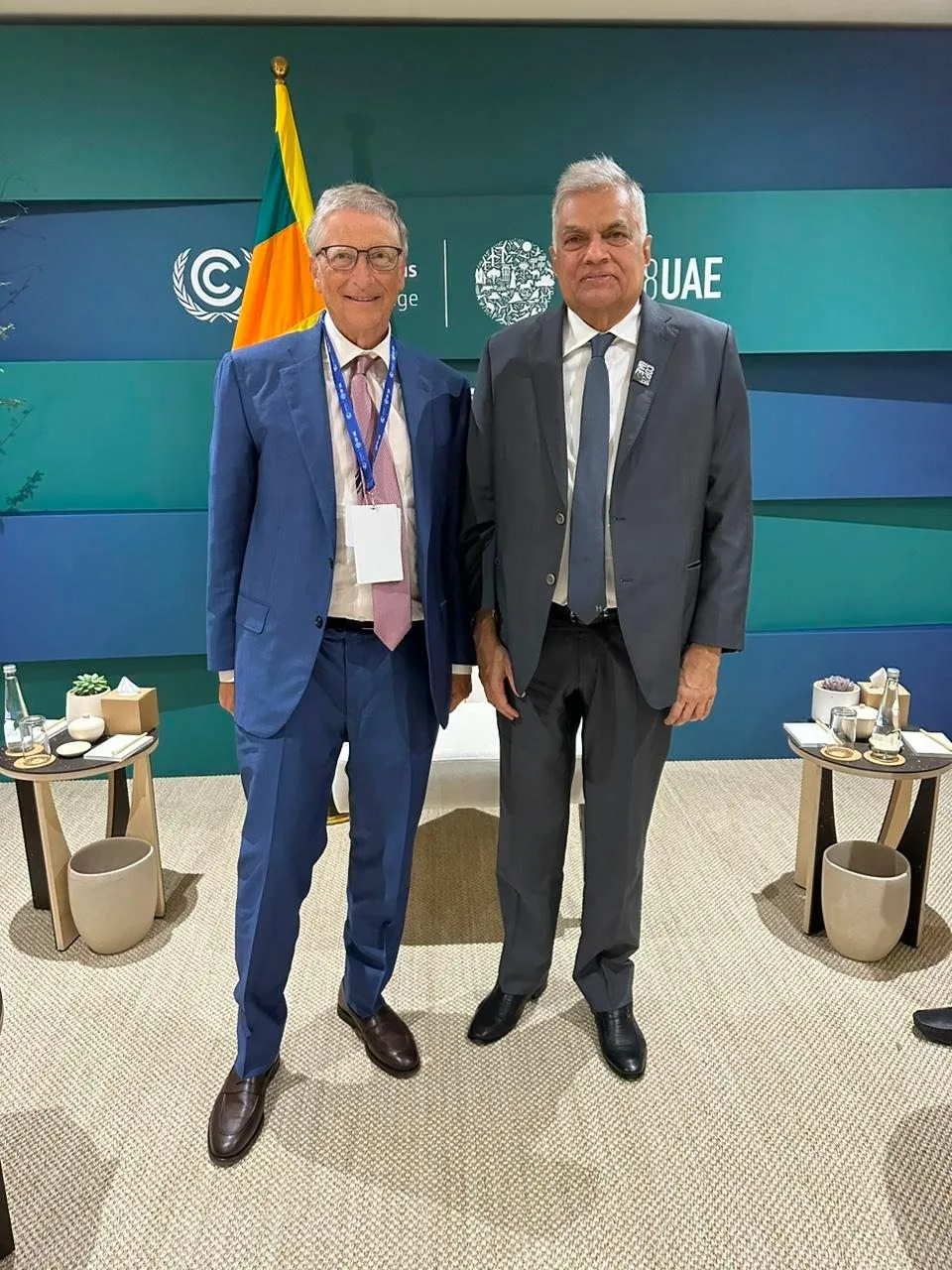

Sri Lanka -- Bodh Gaya:
And, did Those Feet -- in ancient times
Walk upon Tambapanni's shores?
And, "Thus Have I Heard, the Blessed One"
On Serendip's Sripada was seen?
And, did His Luminous Mind
Light up brightly our treasure island?
And, was Mahiyangana builded here
Among those Nagas and Yakkhas?
Free me from Dukkha of my Bhavachakra
Free me from Samudaya of Tanha
Free me with Nirodha: 'O Nirvana attain!
Free me with our Sangha of Dharma
I will not cease from Samsara,
Nor shall I stray -- from Magga
'Til we have built Bodh Gaya
In Sri Lanka's divine, sacred land
***
Notes:
1. Thambapanni is a 540s BC ancient name for Sri Lanka:
https://en.wikipedia.org/wiki/Kingdom_of_Tambapanni
2. King Vijaya walked upon Sri Lanka's shores in 543 BC to meet inhabitants:
https://en.wikipedia.org/wiki/Prince_Vijaya
3. Tripitaka discourses often begin with, "Thus Have I Heard" and refer to Buddha as, "The Blessed One":
https://en.wikipedia.org/wiki/Thus_have_I_heard
4. Serendip is old name for Sri Lanka from which stems the word "serendipity". Predates "Ceylon" which the British called Sri Lanka:
https://en.wikipedia.org/wiki/Names_of_Sri_Lanka
5. Sri Pada or Adam's Peak is where Adam laid his feet upon his fall from the Garden of Eden. Buddhists claim it is where Buddha landed his feet, marking his footprint, during his ancient times visit to Sri Lanka:
https://en.wikipedia.org/wiki/Adam%27s_Peak
6. Prabhasvara is the artistically portrayed light emanating from Buddha's head, which is said to have spread a lengthy distance:
https://en.wikipedia.org/wiki/Prabashvara
Similar to Christ, this was a phenomena in folklore. Buddha is referred to with capitalized H as a pronoun "His" as Jesus is referred to in the Holy Bible.
7. Sri Lanka is similar to fictional Treasure Island by Robert Louis Stevenson:
https://en.wikipedia.org/wiki/Treasure_Island
8. Mahiyangana is a temple that was built during the time of the Buddha. This was built to honor him for his wisdom solving a conflict between the Nagas and Yakkhas who lived over 2,500 years ago, according to folklore, in Sri Lanka:
Nagas are snakes, and Yakkhas are demons, alluding to Bible's Genesis and possibly Serpent Lucifer and Satan:
https://en.wikipedia.org/wiki/Mahiyangana_Raja_Maha_Vihara
9. Dukkha is the Hindu Buddhist Jain concept of suffering:
https://en.wikipedia.org/wiki/Du%E1%B8%A5kha
10. Luminous Mind or existential realms are what Buddha taught were many realities and realms or dimensions:
https://en.wikipedia.org/wiki/Luminous_mind
The following terms refer to the Four Noble Truths of Suffering:
11. Samudaya is the origin of conceptual suffering:
https://en.wikipedia.org/wiki/Four_Noble_Truths#Mnemonic_set
12. Taṇhā is desire or more accurately, attachment which leads to suffering owing to unavoidable loss due to impermanence and the cycle of rebirth:
https://en.wikipedia.org/wiki/Ta%E1%B9%87h%C4%81
13. Nirodha is path to ending suffering:
https://en.wikipedia.org/wiki/Nirodha
14. Nirvana is the full release of worldly attachment:
https://en.wikipedia.org/wiki/Buddhist_paths_to_liberation
15. Sangha are Monks, Nuns (female), Laymen and Laywomen, but in a general colloquial sense, refers to the Monks:
https://en.wikipedia.org/wiki/Sangha
16. Dharma are the teachings of the Buddha (and Hindus):
In Buddhism, the "Buddha, Dharma and Sangha" are equivalent to Roman Catholic "the Father, the Son and the Holy Spirit" or the 'Holy Ghost':
https://en.wikipedia.org/wiki/Refuge_(Buddhism
17. Samsara is what the cycle of reincarnation or existence or our perception of endless, universal reality is known as in Buddhism:
https://en.wikipedia.org/wiki/Sa%E1%B9%83s%C4%81ra_(Buddhism
18. The Noble Eightfold Buddhist Path explains in 8-steps how to end or cease conscious existence in Samsara:
https://en.wikipedia.org/wiki/Noble_Eightfold_Path
A foundational belief in Buddhism is that "life is suffering" due to the impermanent or temporary nature of all things.
19. Magga is a Buddhist key and distinct concept which distinguishes Buddhism from Hinduism and Jainism--it means, "Middle Path" or "Balanced Way", where you stray away from extremes.
https://en.wikipedia.org/wiki/Buddhist_paths_to_liberation
20. Poya occurs every full moon, Buddhists observe Uposatha. This is similar to the Jewish Saturday Sabbath, Islamic Friday Prayers or Juma or Christian Lord's Day. Some adherents observe both New Moon vand Full Moon:
https://en.wikipedia.org/wiki/Poya
21. Bodh Gaya is arguably the most sacred site in Buddhism as it is where Buddha attained enlightenment:
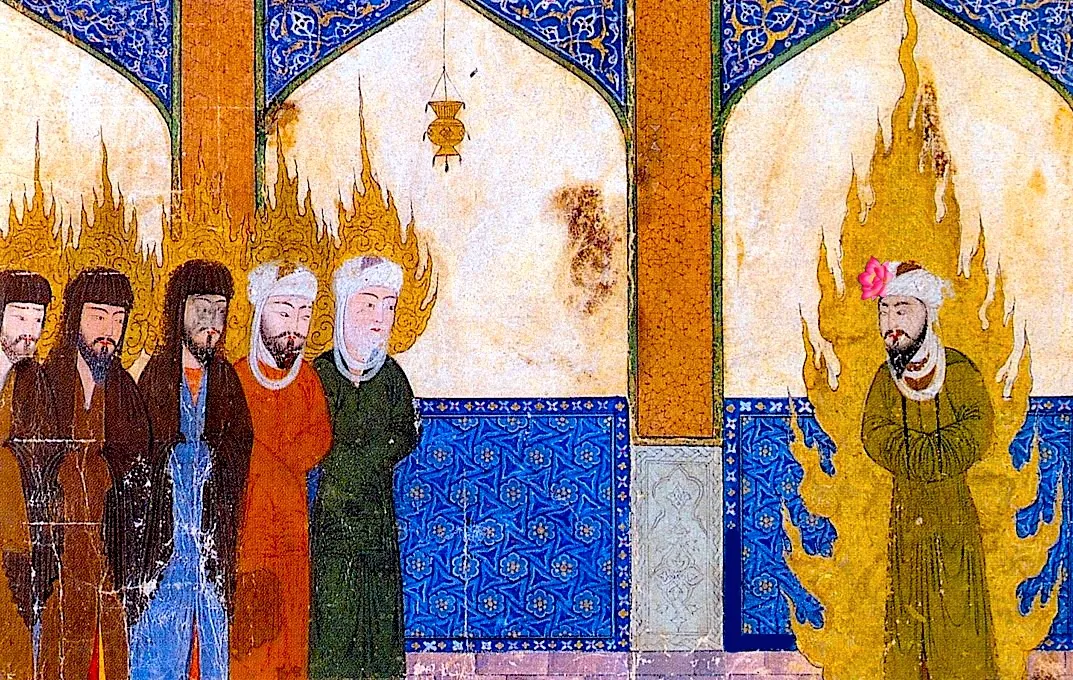
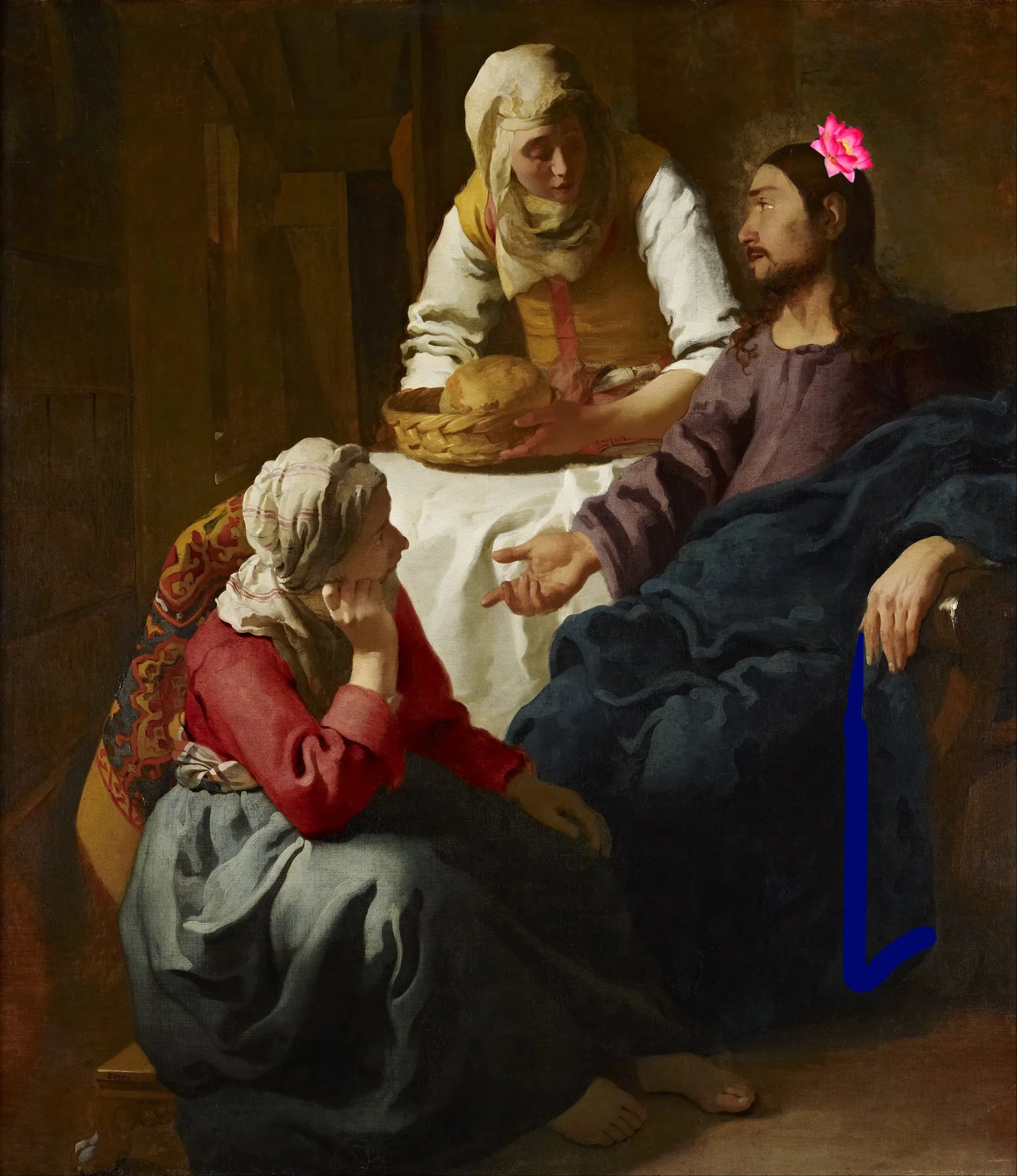
Apostles -- Don't Stop Believing:
https://youtu.be/1x9YACdBUrU?t=49
Just a Virgin Mum
Livin' in a scary world
Priests followed a star to find her
Just a carpenter
Born and raised in Bethlehem
Jesus taught us with parables
Usury on temple grounds
Magdalene bought perfume
With a touch he can raise Lazarus
It goes on and on, and on, and on
Strangers, waitin'
Up and down Jerusalem
Their shadows
Searchin' in the night
Streetlamps, people
Livin' just to find Him
Hidin' somewhere in the night
Widow's son in Nain
Everybody wants a view
Doin' anything to touch Him
Just one more time
Some will win
Some will lose
Some were born to see Him rise
Oh, the book never ends
It goes on and on, and on, and on
Strangers waitin'
Up and down Jerusalem
Their shadows
Searchin' in the night
Streetlamps, people
Livin' just to find Him
Hidin' somewhere in the night
Don't stop believin'
Hold on to that glory
Streetlamps, people
Don't stop, believin'
Hold on
Streetlamps, people
Don't stop believin'
Hold on to that glory
Streetlamps, people
***
Footnotes:
YHWH or G-d (יהוה):
Adam [אָדָם], Seth [שֵׁת], Enos [אֱנוֹשׁ], Kenan [קֵינָן], Mahalalel [מַהֲלַלְאֵל], Jared [יֶרֶד], Enoch [חֲנוֹךְ], Methuselah [מְתוּשֶׁלַח], Lamech [לֶמֶךְ], Noah [נֹחַ]
Shem [שֵׁם], Arpachshad [אַרְפַּכְשַׁד], , Selah [שֶׁלַח], Eber [עֵבֶר], Peleg [פֶּלֶג], Reu [רְעוּ], Serug [שְׂרוּג], Nahor [נָחוֹר], Terah [תֶּרַח] + ♀ wife: Edna [עדנה]
Abraham [אַבְרָהָם] + ♀ wife: Sarah [שָׂרָה], Isaac [יִצְחָק], Jacob [יַעֲקֹב]:
Tribe 3 Levi [לֵוִי]:
Kehath [קְהָת], Amram [עַמְרָם], ♀ sister: Miriam [מִרְיָם]:
Aaron [אַהֲרֹן], Moses [מֹשֶׁה]
Tribe 4 Judah [יְהוּדָה] :
Perez [פֶּרֶץ], Hezron [חֶצְרוֹן], Ram [רם], Amminadab [עַמִּינָדָב], Nahshon [נַחְשׁוֹן], Salmon [שַׂלְמוֹן], Boaz [בֹּעַז], Obed [עוֹבֵד], Jesse [יִשַׁי],
King David [דָּוִד], Solomon [שְׁלֹמֹה], Rehoboam [רְחַבְעָם], Abijam [אֲבִיָּם], Asa of Judah [אָסָא], Jehoshaphat [יְהוֹשָׁפָט], Jehoram of Judah [יְהֹורָם], Ahaziah of Judah [אֲחַזְיָה], Athaliah [עֲתַלְיָה], Jehoash of Judah [יְהוֹאָשׁ]
Amaziah of Judah [אֲמַצְיָהוּ], Uzziah [עֻזִּיָּהוּ], Jotham [יוֹתָם], Ahaz [אָחָז], Hezekiah [חִזְקִיָּהוּ], Manasseh of Judah [מְנַשֶּׁה], Amon of Judah [אָמוֹן], Josiah [יֹאשִׁיָּהוּ], Jehoahaz of Judah [יְהוֹאָחָז], Jehoiakim [יְהוֹיָקִים]
Jeconiah [יְכָנְיָה], Zedekiah [צִדְקִיָּהוּ],
Tribe 11 Joseph :
Ephraim [אֶפְרָיִם], Tehan [תחן], Laadan [לעדן], Ammihud [עַמִּיהוּד], Elishama [אלישמע], Nun [נונה], Joshua [יְהוֹשֻׁעַ], Eleazar [אֶלְעָזָר], Eli [עלי], Phinehas [פִּינְחָס], Ichabod [אִיכָבוֹד], Ahitub [אֲחִיטוּב]
***
Tribe 4 King David [דָּוִד]:
MATTHEW: David's 2nd son Solomon, Rehoboam, Abijah, Asa, Jehoshaphat, Jehoram, Uzziah, Jotham, Ahaz, Hezekiah, Manasseh, Amon, Josiah, Jeconiah, Shealtiel, Zerubbabel,Abiud, Eliakim, Azor, Zadok, Achim, Eliud, Eleazar, Matthan, Jacob, Joseph, Jesus
LUKE: David's 4th son Nathan, Mattatha, Menan, Melea, Eliakim, Jonam, Joseph, Judah, Simeon, Levi, Matthat, Jorim, Eliezer, Jose, Er, Elmodam, Cosam, Addi, Melchi, Neri, Salathiel, Zorobabel, Rhesa, Joannan, Juda, Joseph, Semei, Mattathias, Maath, Nagge, Esli, Naum, Amos, Mattathias, Joseph, Jannai, Melchi, Levi, Matthat, Heli, Joseph, Jesus