Shade Balls, NYT Pass

Lehan Edirisinghe

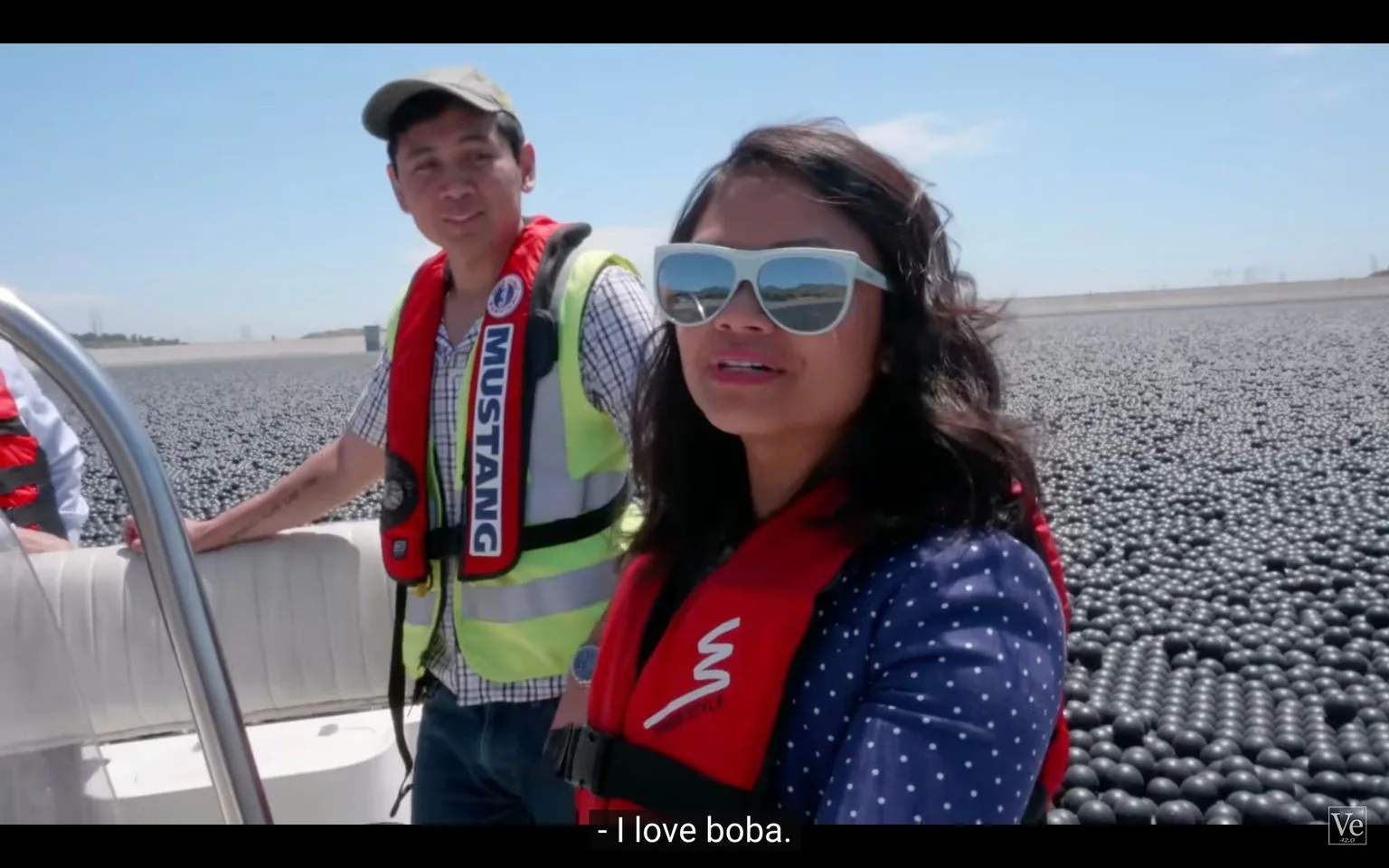
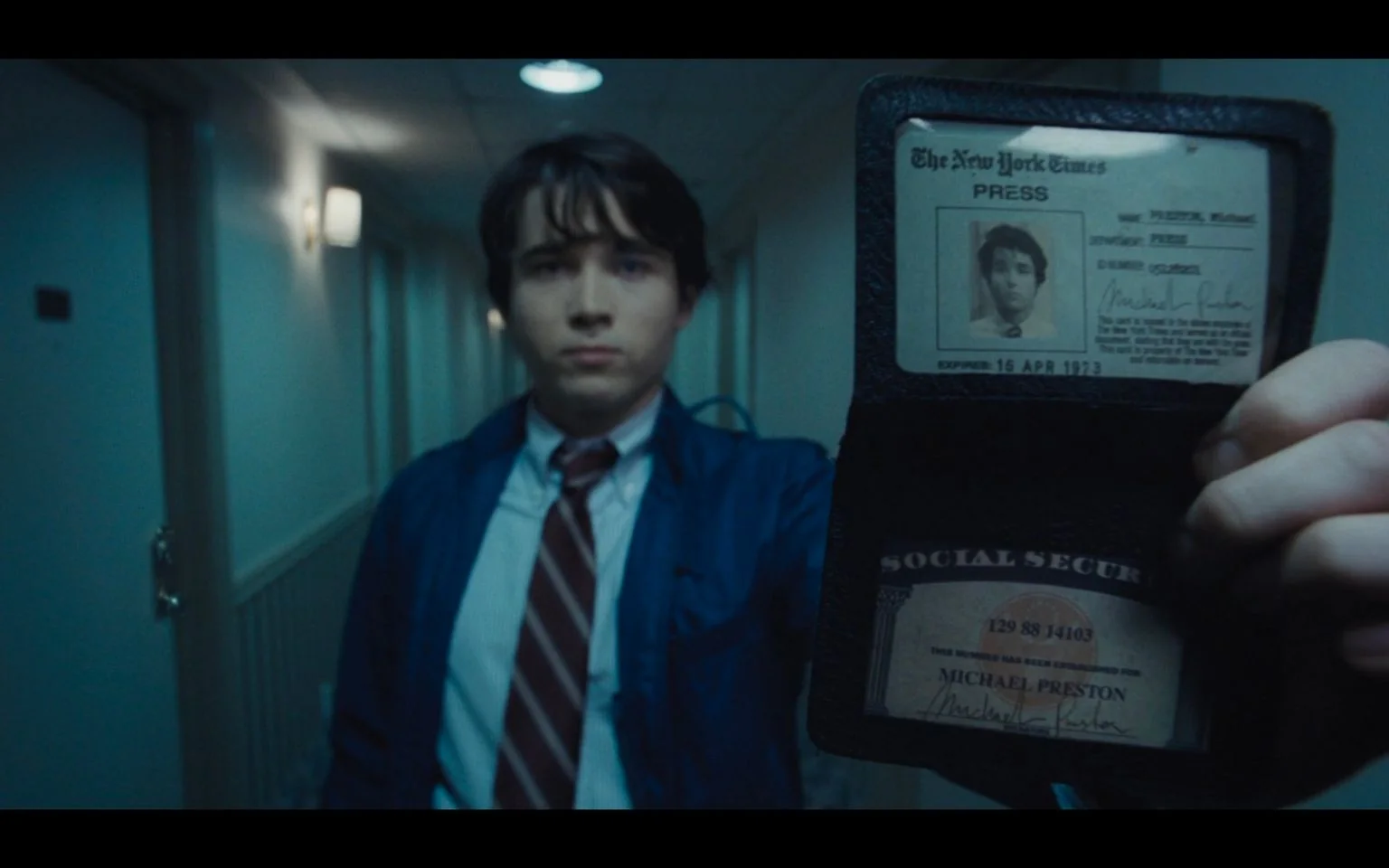
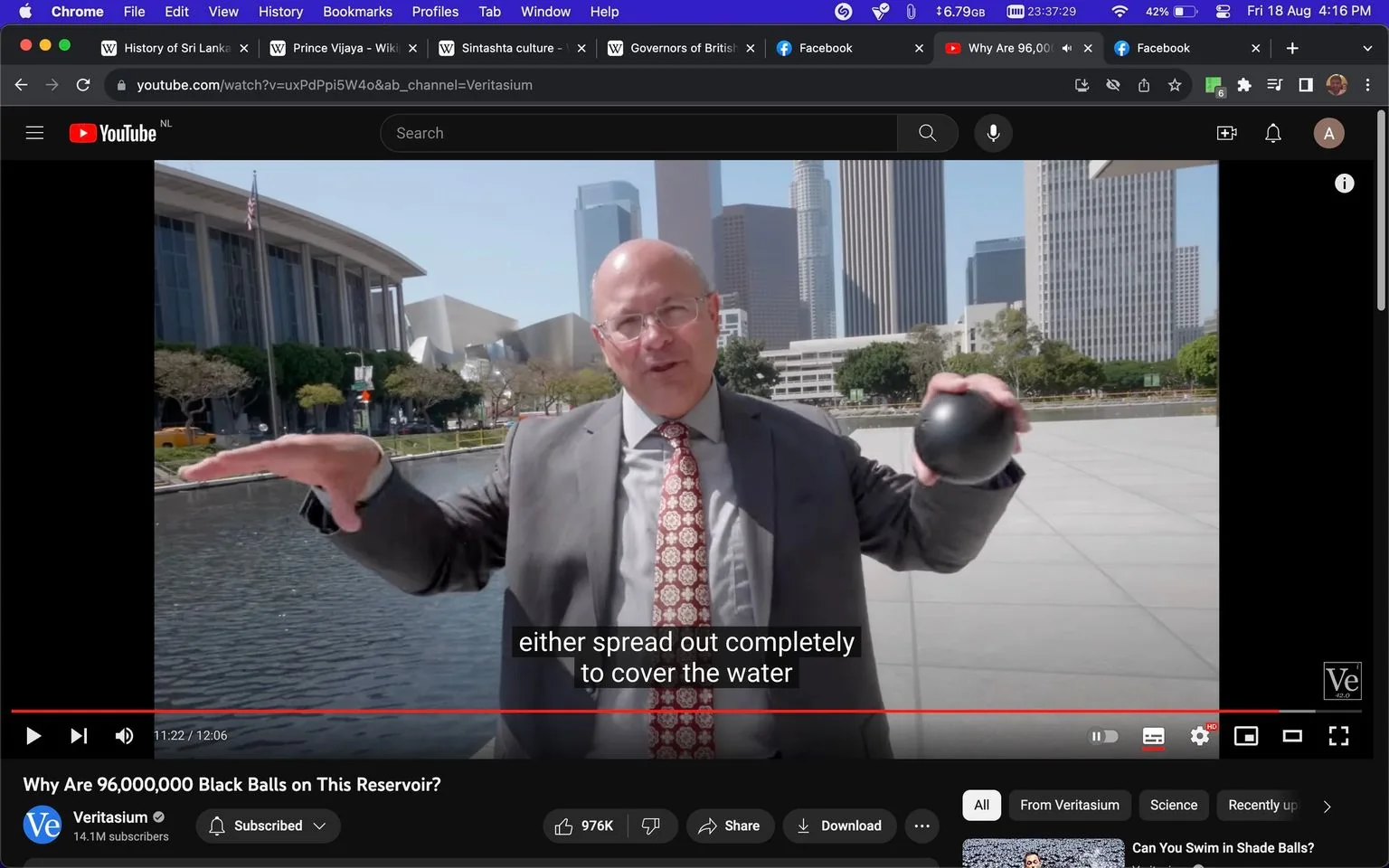
Shade balls on a reservoir sparked a Boba Fett riff, then a press-pass scene and Rosenthal clips reinforced NYT loyalty. Cohen’s “In My Secret Life” closed it quietly
Story

Singapore’s Reservoir, Water Management and Ranil’s Doom

4:15 p.m.

Singapore do have a big reservoir

I think they can add a gas that cools inside possibly

I guess Halon

We can copy this

Ranil is crazy, if we manage well, we won't run out of water

He's a doomsday apocalypse preacher

I'm not Jesus

But i'm da saviour

Story

Saying I Smile When Angry

5:30 p.m. (c)

I smile when I'm angry

███████████████████████████████████████████████████████████████████████████████████████████████████████████████████████████████████

Story

Americans Going After Presidents Who Betray Soldiers

5:30 p.m. (d)

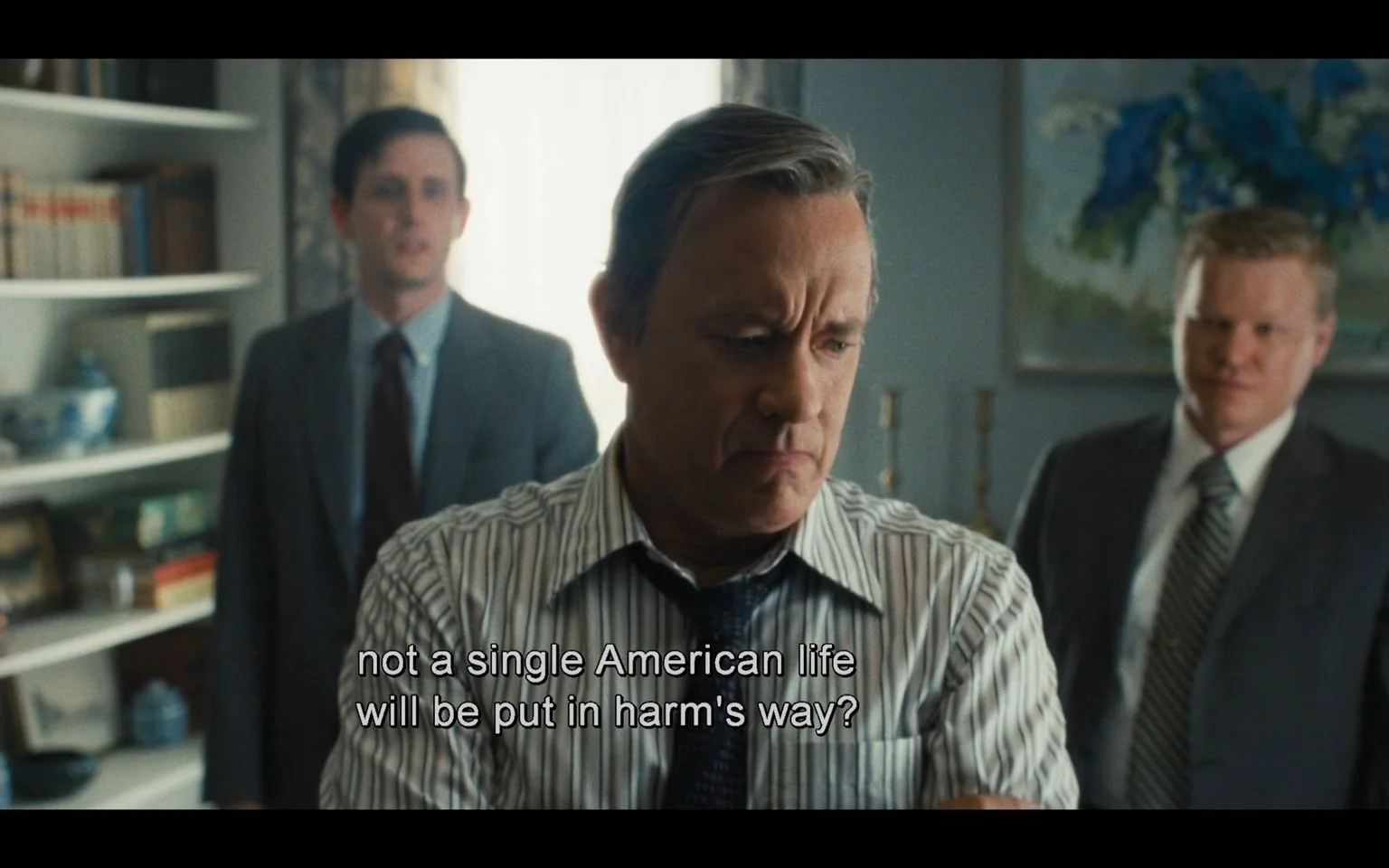
See, people in America go after the president if they betray American soldiers

Story

Todd Helping People Understand Betrayed Troops

6:45 p.m.

Todd, has a good way of helping people, "understand".

And anyway, umm

Yeah, I don't like how our troops get betrayed badly

Story

Wikileaks, Prasad Samarasinghe and Dangerous Classified Cables

6:45 p.m. (b)

Wikileaks nearly got Prasad Samarasinghe killed

Some of those classified cables had names of informants reporting against very dangerous criminals holding top level office (president, secretary defense, etc)

Story

Selecting Government Officials, Justices and State Boards

6:45 p.m. (c)

Whatever.

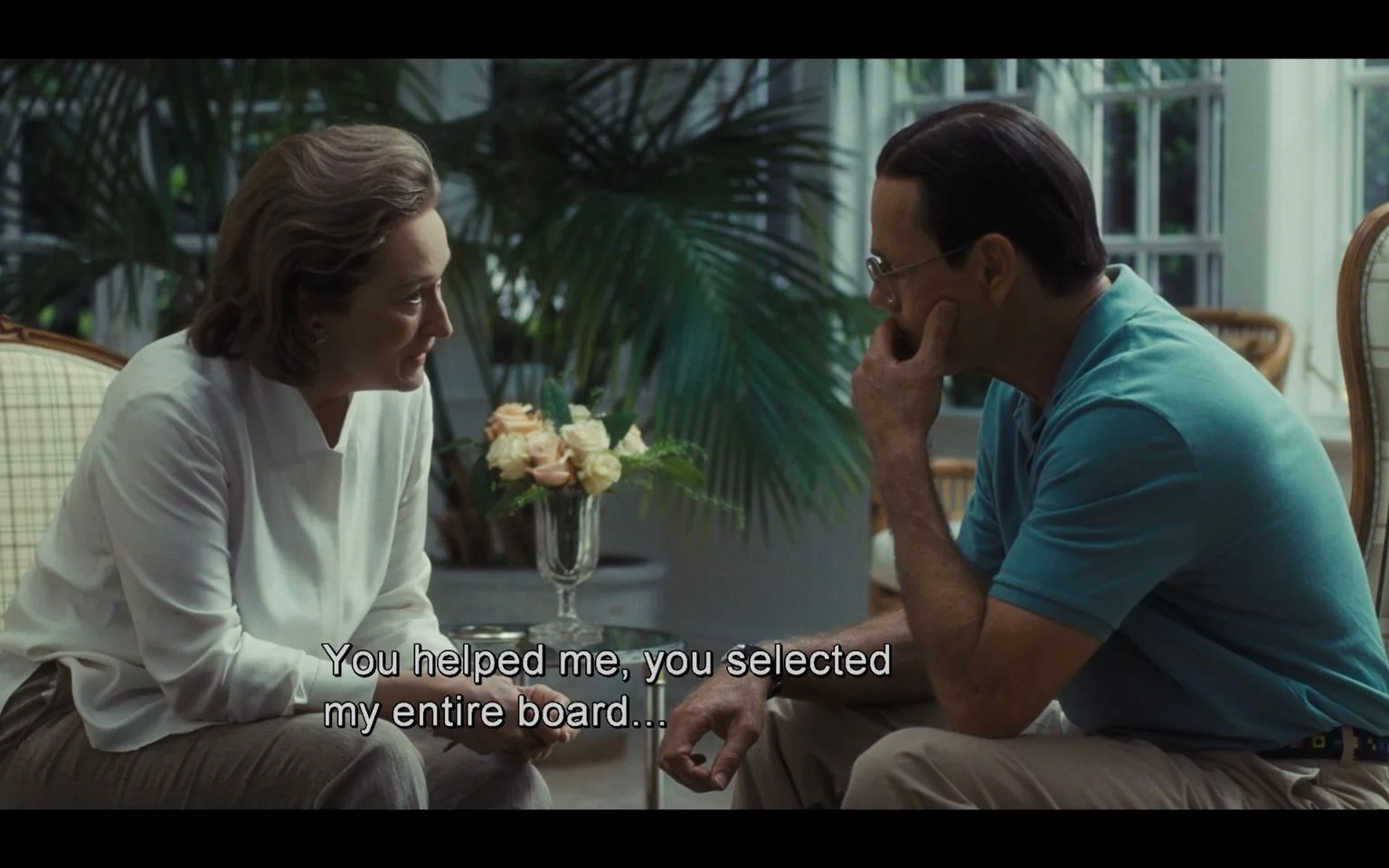
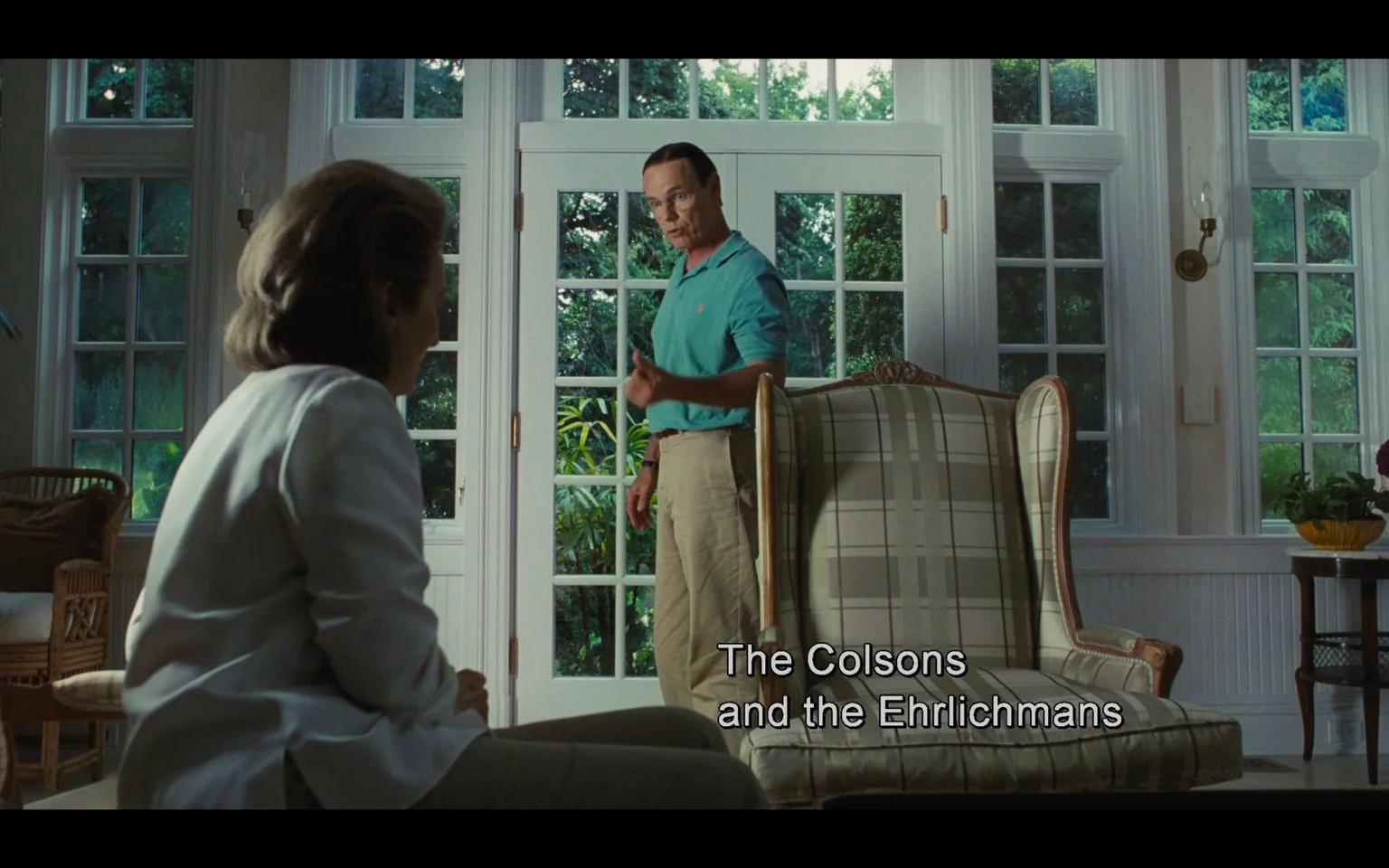
I think I personally selected everyone in our government, all our cabinet, our justices for supreme court (although Kanchana or whomever picks), our armed forces leaders (although the ministers pick), everyone at the state assets, every board director, basically everyone everwhere, etc

Story

Feeling Weaker, Stressed and Planning Elliptical Time

9:00 p.m.

I'm feeling a little weaker

I think too much stress

Idk

I did 11 minutes, I should do 22 minutes more, then 11 minutes for tomorrow, so then 33 minutes or just 22

I'll get my dinner then do it

Story

Fink, Balendran and Blocking Access as President

9:00 p.m. (c)

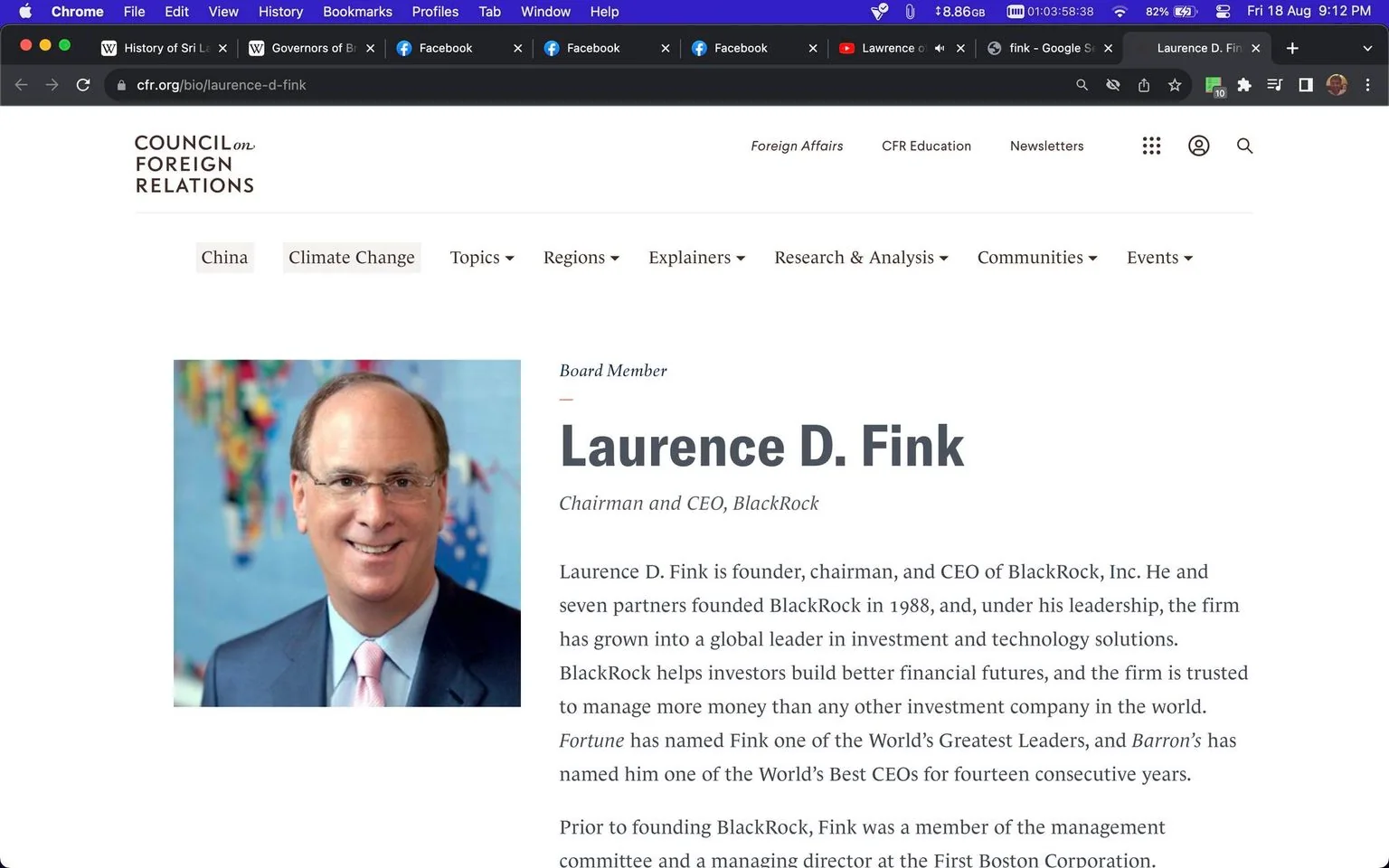
Fink is this guy lol

I don't know Balendran, I blocked him ages ago

Guy looks like a suspicious, bad guy

When I'm president, they'll all line up begging to talk to me

Everyone is terrified of me

So they won't give any access to them to meet me

Story

Respecting The Washington Post for Helping The New York Times

9:00 p.m. (i)

I respect Washington Post, for standing by, like a lion rushing in aid of a fellow lion, to help NY Times out this way. I truly respect this.

Story

Imagining Larry Fink Praising Lehan’s Honesty

9:30 p.m.

Question: What is it Mister Fink that attracts you personally to Lehan?

Answer (Hopefully): He's clean. Not just the most honest politician, the most honest public official of all time. The most honest person I know.

***

Laurence D. Fink

Chairman and CEO, BlackRock

Laurence D. Fink is founder, chairman, and CEO of BlackRock, Inc. He and seven partners founded BlackRock in 1988, and, under his leadership, the firm has grown into a global leader in investment and technology solutions. BlackRock helps investors build better financial futures, and the firm is trusted to manage more money than any other investment company in the world. Fortune has named Fink one of the World’s Greatest Leaders, and Barron’s has named him one of the World’s Best CEOs for fourteen consecutive years.

Prior to founding BlackRock, Fink was a member of the management committee and a managing director at the First Boston Corporation.

He serves as a member of the boards of trustees of New York University (NYU) and the World Economic Forum and is co-chair of the NYU Langone Medical Center board of trustees. In addition, he serves on the boards of the Museum of Modern Art, the Council on Foreign Relations, and the International Rescue Committee. He also serves on the advisory board of the Tsinghua University School of Economics and Management in Beijing and on the executive committee of the Partnership for New York City.

Fink earned a BA in political science and an MBA with a concentration in real estate from the University of California at Los Angeles.

Story

Arguing Singapore Succeeded Because of Honesty

9:30 p.m. (c)

Question: Why did Singapore succeed? Was it good public policy? City planning? Was it good business sense, investment? Fast courts? A death penalty on drugs? What made it work?

Answer: Honesty.

Story

Arguing for Honest, Capable Autocrats

9:30 p.m. (e)

Technically. But a benevolent, honest, capable dictator is the best form of government you can ask for. The US is led by a dictator. The president is a dictator. The King of England is a dictator. The PM is a dictator. They can all be removed at an election, if there's a new constitution, the people have all the power. But sometimes, the people pick someone to do their work for them, because they know that person, they see that person, who he or she is, they trust that person with their lives. Britney Spears trusts George W Bush. The vast majority of people pick politicians to work for them. An autocrat is good if he or she can get them the results that they all seek.

Story

Feeling Like a Journalist Like Rubenstein

9:30 p.m. (g)

I love how I'm a journalist, even though like Rubenstein, I never really consider myself as such

Story

America’s Greatness, Bravery, Free Press and Private Media

9:30 p.m. (i)

America's the greatest nation on earth because of many reasons:

1. The bravery of the American people

2. Free press

3. the industry

Story

Defense, McDonald’s and Everyone Hoping One Person Wins

9:30 p.m. (j)

4. Defense

5. McDonald's

***

Everyone in Sri Lanka:

"I hope you win" to one person.

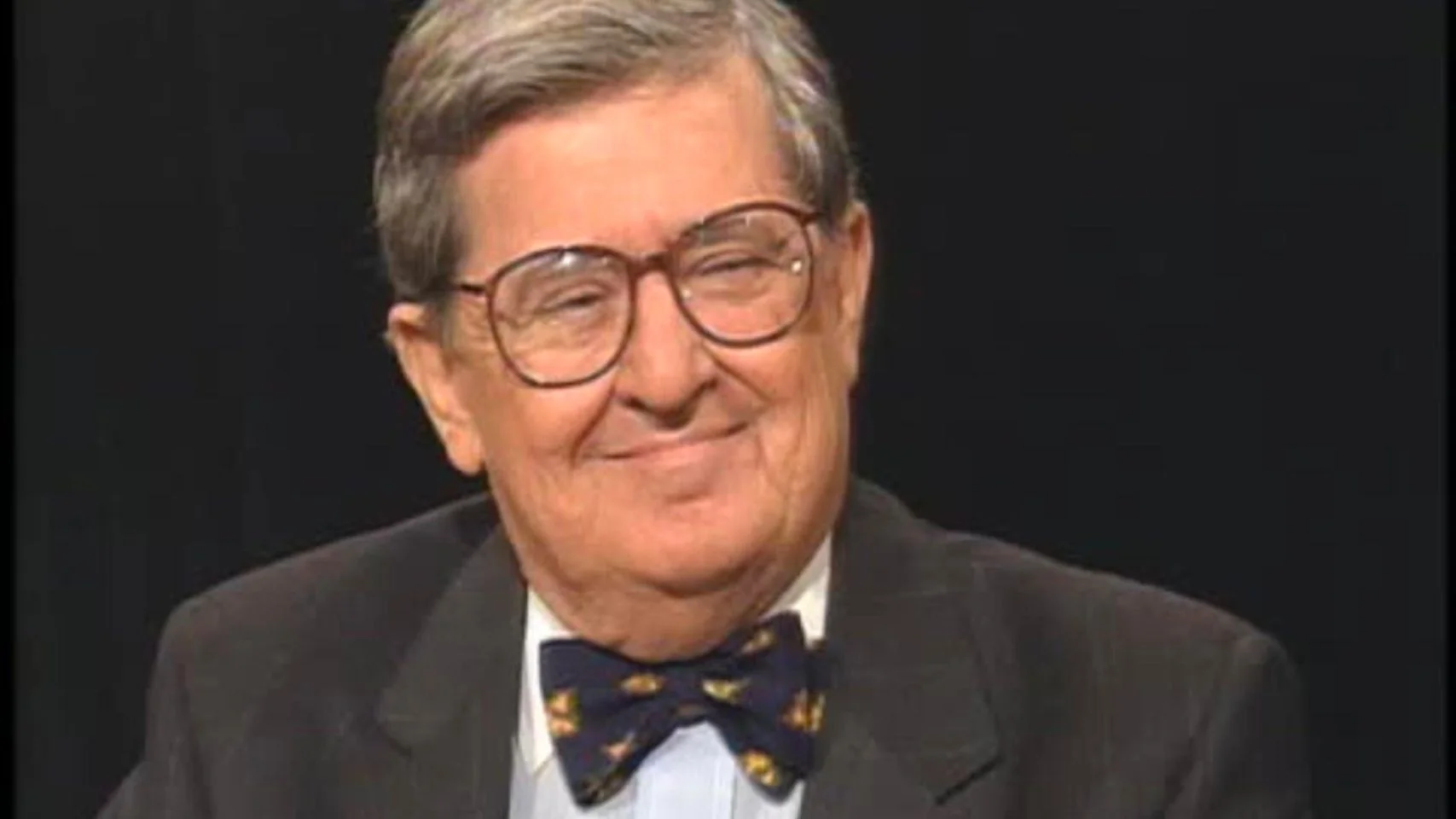
The image features AM Rosenthal in a studio setting. He is wearing a dark suit with a light-blue shirt and a patterned bow tie, giving off a formal and polished appearance. His expression is warm and approachable, with a slight smile, suggesting a relaxed and conversational mood typical of an interview or discussion. The background is a plain black, which helps to focus attention on Rosenthal himself. His hair is gray and neatly styled, and he is wearing large, round eyeglasses. The lighting is soft and even, highlighting his facial features without creating harsh shadows. The overall composition is centered, with Rosenthal's head and shoulders prominently displayed, indicating this is likely a still from a television interview or a similar on-camera appearance.

Saying “In My Secret Life”

9:45 p.m. (f)

██████████████████████

███████████████████████

████████████████████████████

████████████████
██████████████████████

███████████████████████

███████████████████████████

█████████████████

In my secret life

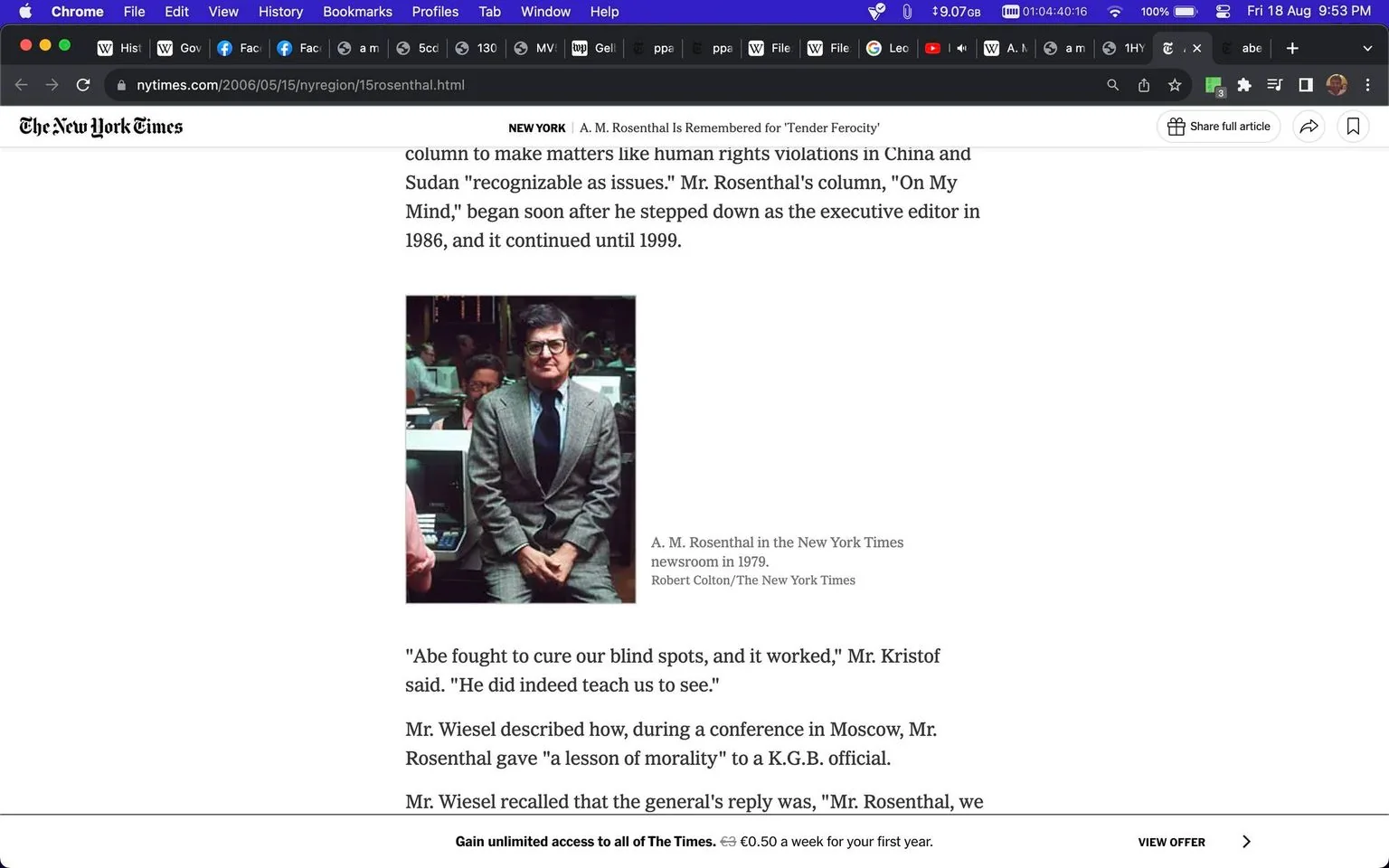
The image features A. M. Rosenthal, a notable figure in journalism, standing in the New York Times newsroom in 1979. Rosenthal is dressed in a formal suit with a tie, conveying professionalism. The background showcases a busy newsroom environment typical of the era, with people working at desks and computers visible, hinting at the bustling nature of a newspaper office. The lighting is bright, emphasizing the workspace ambiance. Rosenthal stands confidently with his hands resting in front, exuding an authoritative yet approachable demeanor.
The accompanying text is a tribute to Rosenthal's influential career, highlighting his efforts to address human rights issues and his moral stance during significant historical moments. The screenshot is from the New York Times website, with a subscription offer visible at the bottom, indicating a typical news article format. The headline "A. M. Rosenthal Is Remembered for 'Tender Ferocity'" suggests a reflective piece on his legacy, celebrating his impactful contributions to journalism.

Smiling When Angry and Dying for Truth

10:00 p.m.

I smile when I’m angry

█████████████████

██████████████████████

█████████

████████████████████████

████████████████████████

And I’d die for the truth

█████████████████

█████████████████

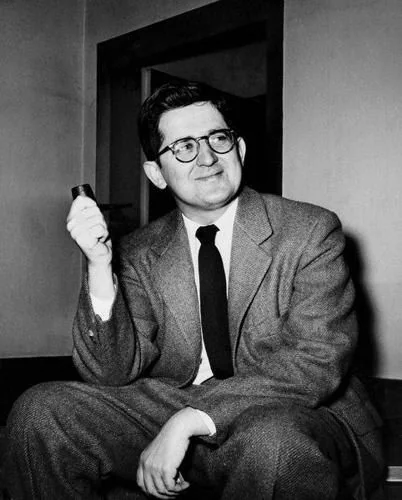
AM Rosenthal, a notable figure in journalism, is captured in this black-and-white photograph. He is seated indoors, wearing a suit with a subtle checkered pattern, paired with a white shirt and a dark tie. Rosenthal holds a pipe in his right hand, suggesting a moment of contemplation or relaxation, and he has a slight, thoughtful smile on his face. His hair is neatly combed, and he is wearing glasses, which contribute to his intellectual appearance. The setting appears to be a simple room with plain walls and a doorframe visible in the background, adding a sense of modesty to the scene. The lighting is straightforward, typical of mid-20th-century photography, highlighting his features clearly. The image reflects a moment in time, likely from the 1950s, illustrating Rosenthal as a confident and thoughtful individual in his professional environment.

Saying Hold On to My Brother

10:00 p.m. (b)

Hold on, hold on, my brother

████████████████████████

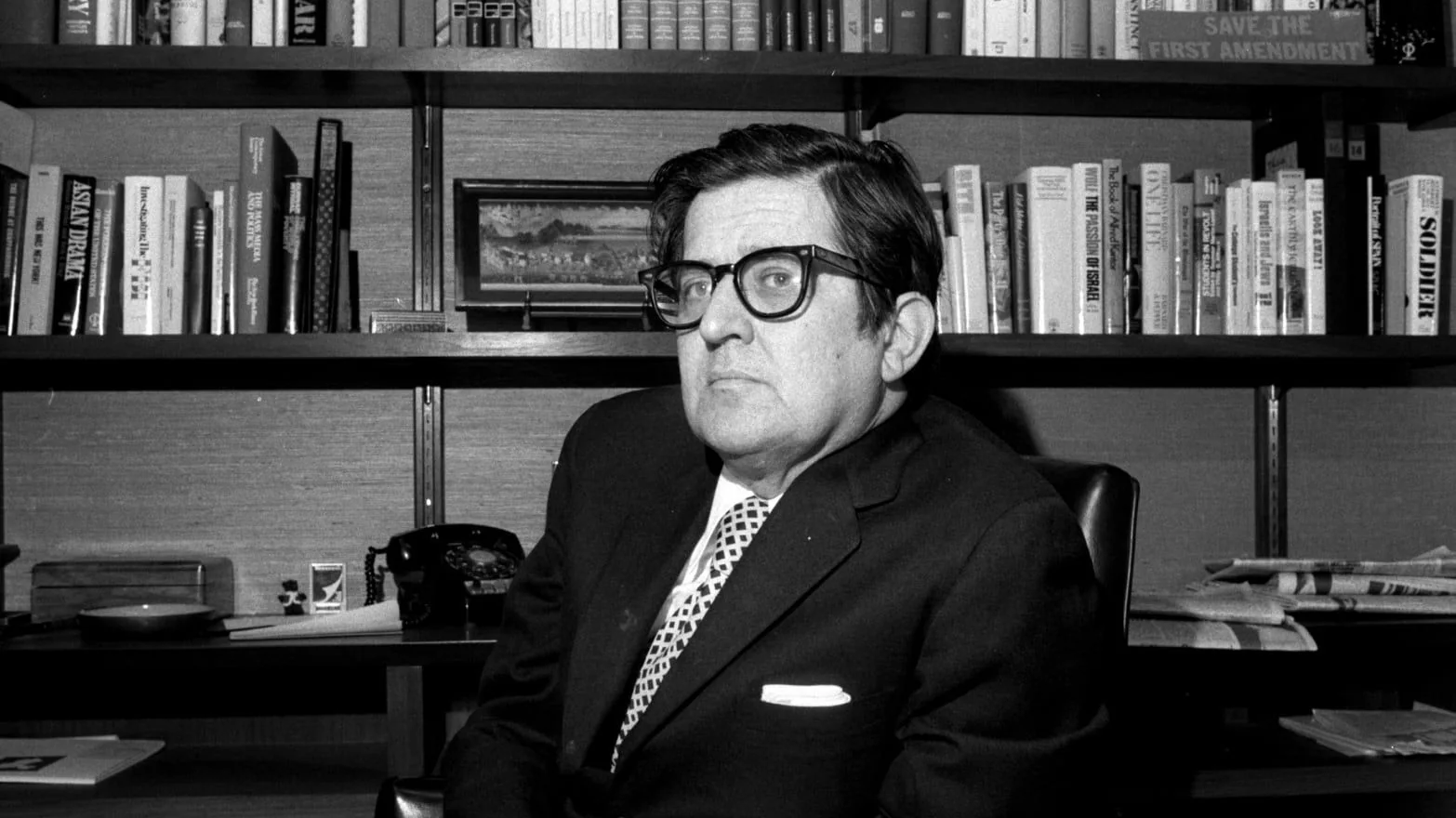
The black and white image shows a man, identified as AM Rosenthal, sitting in an office setting. He is wearing a dark suit, white shirt, and a patterned tie. His expression is serious as he looks slightly off to the side. Rosenthal is seated in front of a bookshelf filled with various books, some of which have visible titles like "Save the First Amendment," "Asian Dream," "The Transition of Israel," and "Soldier." The office has a classic feel with a vintage telephone and neatly stacked papers on the desk. The lighting is subdued, emphasizing the contrast typical of a black and white photograph. The overall mood is professional and contemplative, capturing a moment of introspection or thought.
- Title: "AM Rosenthal in His Office"

Saying I Finally Got

10:00 p.m. (c)

I finally got █████████

████████████████████████████████████

██████████████████████████

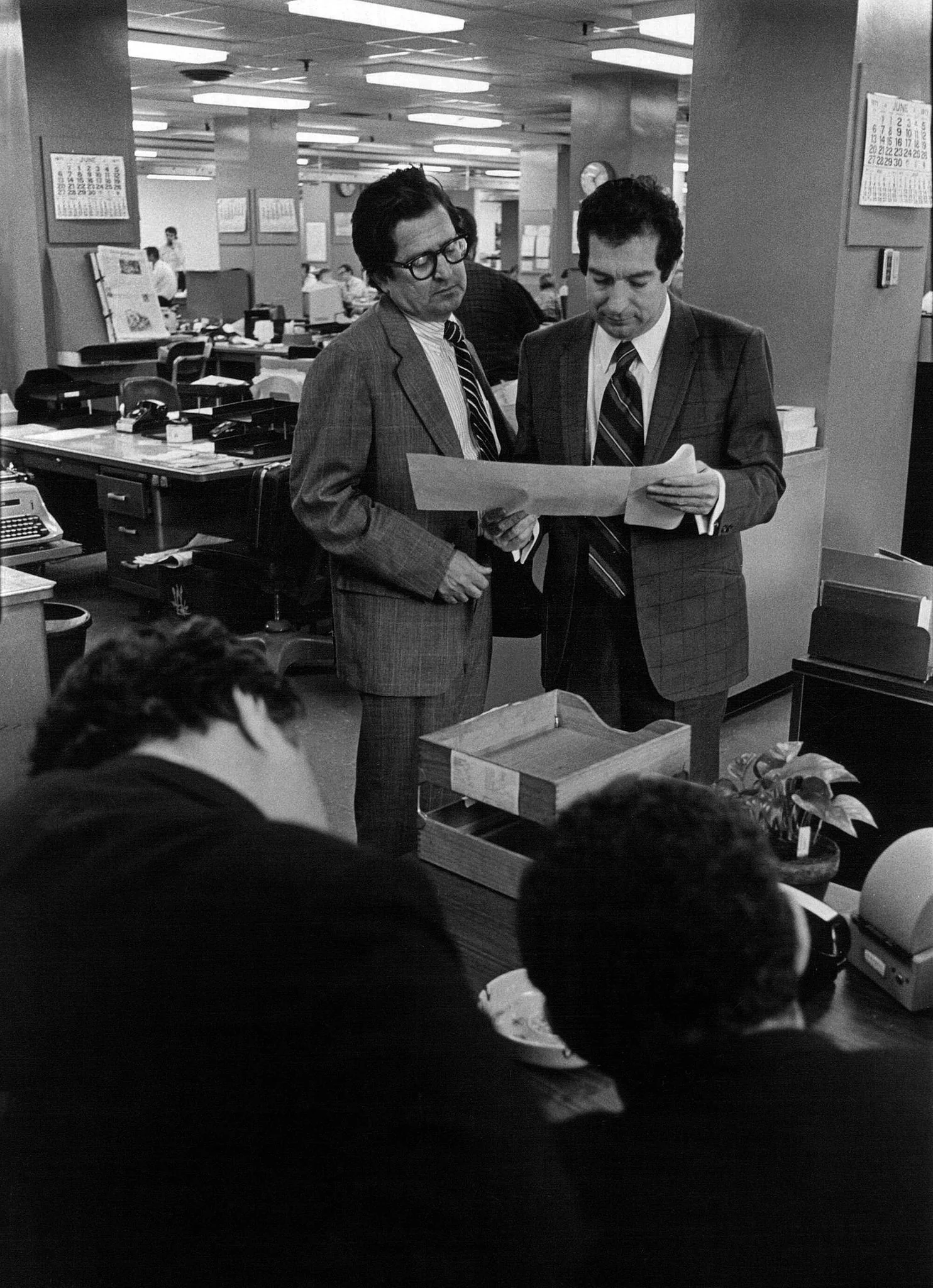
The image depicts an office setting, likely from the mid-20th century, characterized by a black-and-white photograph. The scene captures a bustling workspace with fluorescent lighting and employees engaged in their tasks. In the foreground, two men dressed in suits stand closely together, involved in a discussion. One of them is identified as AM Rosenthal. They are examining a document intently, suggesting a review or decision-making process. Rosenthal wears glasses and a striped tie, while the other man holds a piece of paper and wears a suit with a checkered pattern.
In the background, several desks are visible with typewriters, telephones, and paper stacks, typical of a busy office environment. The decor includes wall calendars, and a clock can be seen, adding to the period-specific details. The atmosphere appears to be serious and focused, with two other individuals slightly out of focus, possibly engaging in their own work at a nearby table. The overall composition conveys a sense of professionalism and the collaborative nature of office work.

Looking Through The Paper

10:00 p.m. (f)

Looked through The Paper

█████████████████████

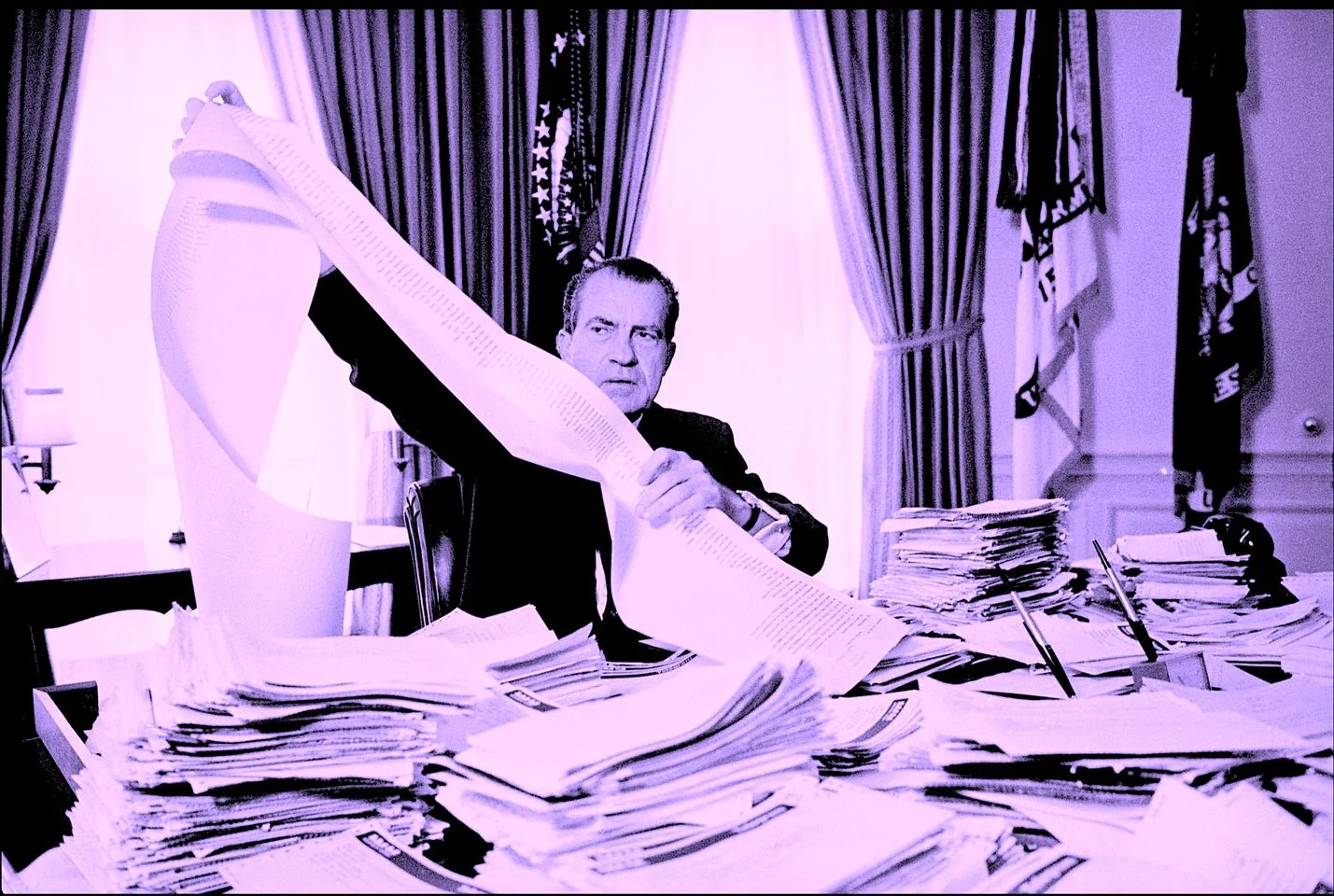
The image features Richard Nixon, as indicated by the hint, seated at a large office desk covered with numerous stacks of papers. He is in the process of examining a long, continuous sheet of paper, which he holds up for review. The setting appears to be an official office, likely the Oval Office, given the grandeur of the surroundings. Behind him, large draped curtains frame the windows, and flags stand on either side, enhancing the formal atmosphere.
Nixon is wearing a dark suit, typical of his presidential attire, and his expression conveys concentration and seriousness as he reviews the documents. The lighting casts a purplish tint over the image, giving it a somewhat vintage feel. The desk is cluttered with papers, folders, and pens, suggesting an environment of intense work and documentation. This scene captures a moment of administrative or decision-making processes during Nixon's presidency.

Saying Nobody Cares If

10:00 p.m. (g)

Nobody cares if ██████████

███████████

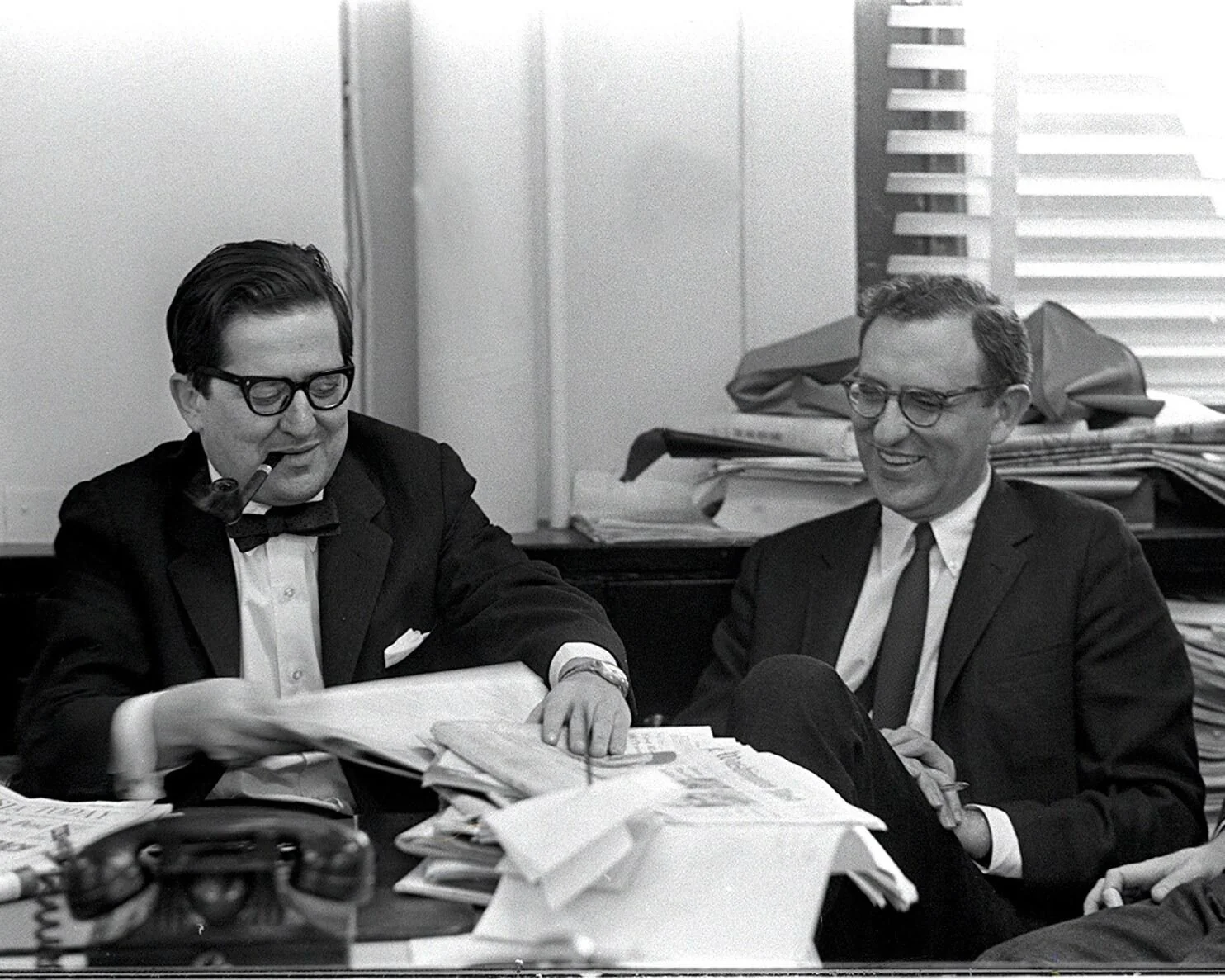
In this black and white photograph, two men are seated in an office setting, engaged in a conversation. On the left, a man with dark hair and glasses, identified as AM Rosenthal, is holding a pipe in his mouth while handling a stack of papers. He is dressed in a formal suit with a bow tie, exuding a professional aura. His expression is focused yet relaxed, suggesting involvement in a thoughtful discussion.
To his right, another man, also wearing glasses and a suit with a tie, is smiling, indicating a lighthearted or agreeable interaction. The table in front of them is cluttered with papers, suggesting a busy work environment, typical of a newsroom or editorial office. A classic rotary telephone is visible in the foreground. The background features a window with blinds partially drawn, contributing to the office atmosphere. The overall mood is one of collaboration and intellectual engagement, characteristic of media and journalism settings of the era.

Saying It Is Either Black or White

10:00 p.m. (h)

█████████████████████████████████

████ it’s either black or white

██████████████████████████████

█████████████████

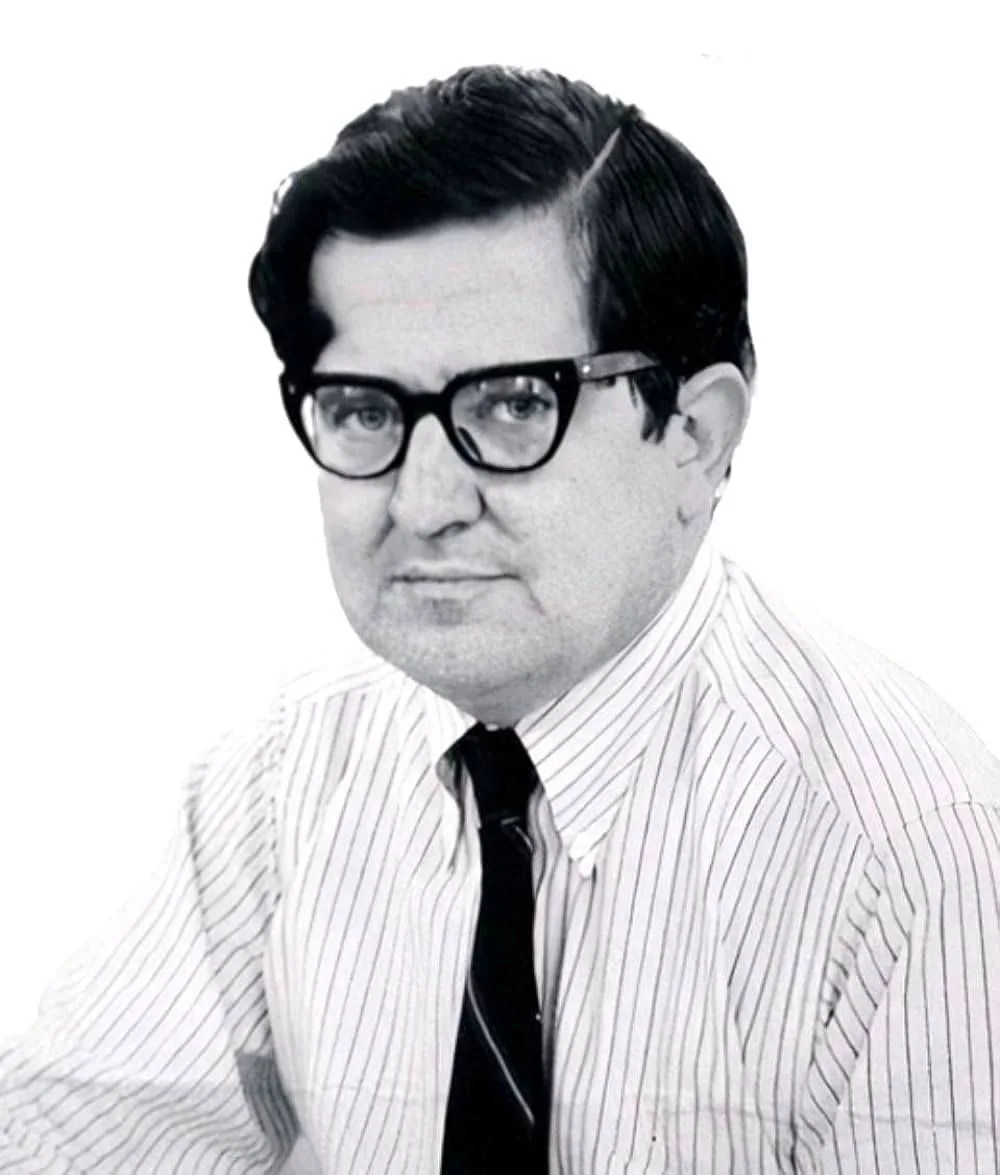
This black and white portrait features AM Rosenthal, displaying a formal and professional demeanor. He is seated, facing slightly to the side, with a neutral expression. Rosenthal is wearing a striped dress shirt paired with a dark tie, indicative of a formal or business setting. His dark, neatly combed hair and thick-rimmed glasses contribute to a scholarly or authoritative appearance. The background is plain, which focuses attention on Rosenthal himself, suggesting this could be a professional portrait used for official purposes, such as a publication or a corporate biography. The lighting is soft and even, adding to the clarity and focus on his facial features. There are no visible objects or text in the image, maintaining the emphasis on his persona.

A Blank 10:00 p.m. Entry

10:00 p.m. (i)

█████████████

████████████████████

███████████████████

████████████████████

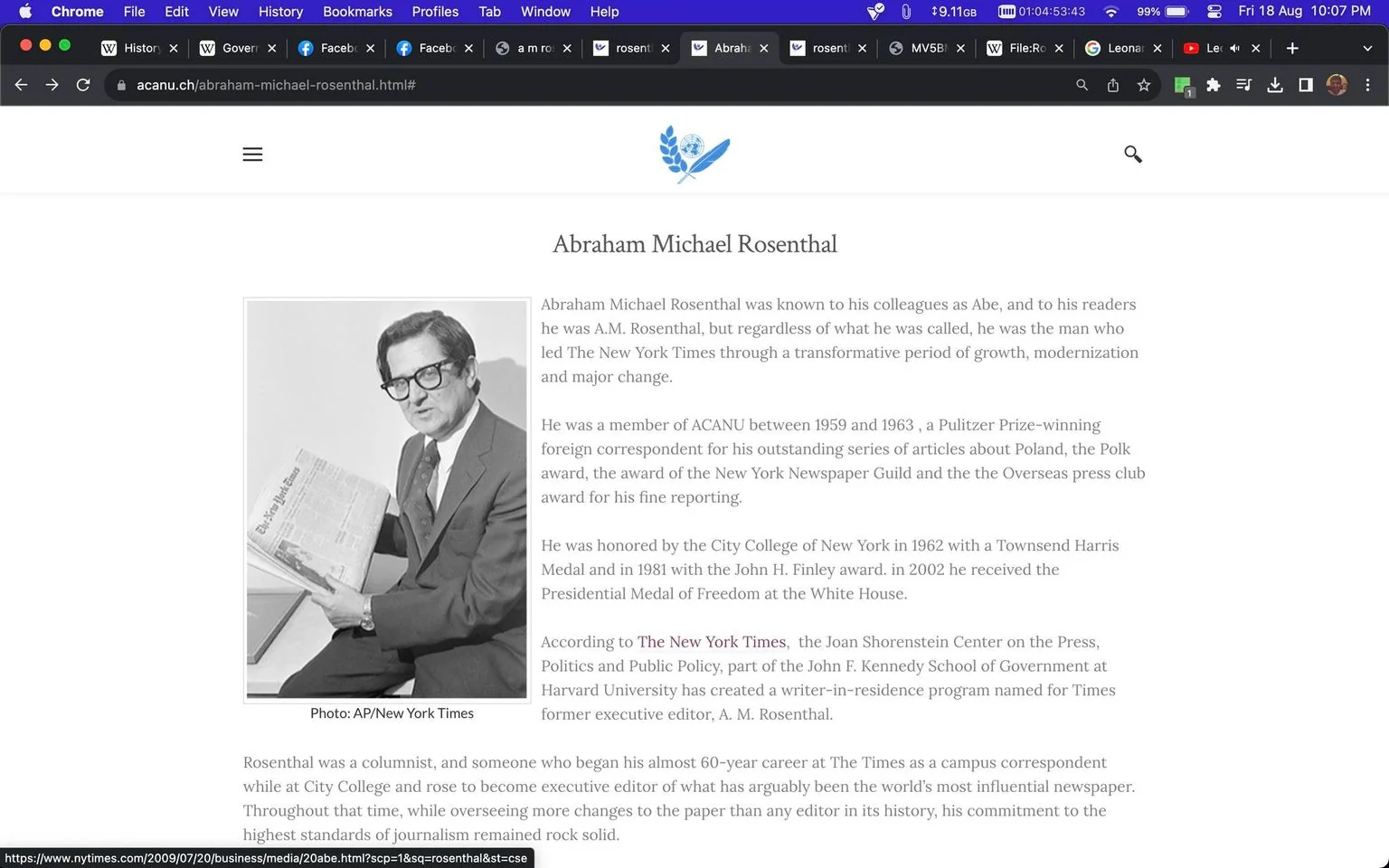
Abraham Michael Rosenthal, referred to as AM Rosenthal, is the focal point of this webpage from acanu.ch. The black and white image prominently features him, wearing a suit and tie, sitting and holding a copy of the New York Times. His expression is one of focus and engagement, suggesting his deep involvement in journalism. The text details his achievements, noting his leadership of The New York Times during a critical period of change. Rosenthal was a Pulitzer Prize-winning foreign correspondent, recognized for articles about Poland, and received numerous awards, including the Presidential Medal of Freedom. The narrative highlights his influence and contributions to journalism, emphasizing his role in modernizing and shaping the New York Times. The layout is clean, with the text aligned next to the image, creating a professional and respectful tribute to Rosenthal's career and legacy.
- Title: "Abraham Michael Rosenthal"
- Site / app: "acanu.ch"

Saying Always

10:00 p.m. (j)

███████always█████

████████████████████████

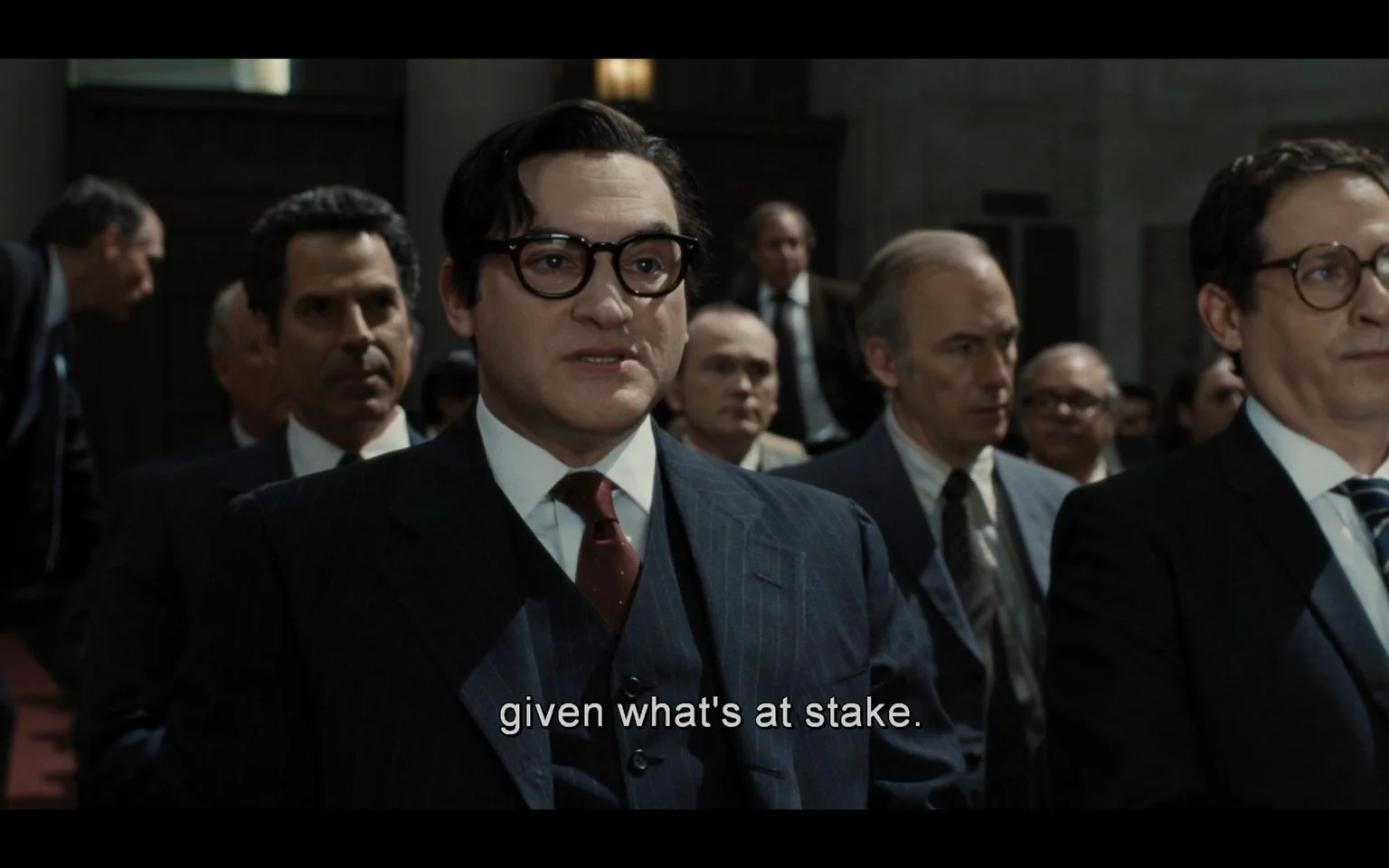
The image is a scene from the film "Oppenheimer," depicting a formal and intense setting within a courtroom or official hearing. The foreground features a central figure, a man in a dark, pinstriped suit and tie, wearing round glasses. His expression appears serious and focused, contributing to the gravity of the moment. Surrounding him are other men, also dressed in formal attire, suggesting a gathering of significant importance, possibly involving legal or governmental proceedings.
The lighting is subdued but clear, emphasizing the formal atmosphere and the tension in the room. The background shows a group of individuals seated closely together, all appearing attentive to the ongoing event. The caption on screen reads, "given what's at stake," hinting at a critical discussion or decision being made. The overall composition suggests a pivotal moment, with the characters deeply engaged in the unfolding events.

Saying Crowded

10:00 p.m. (k)

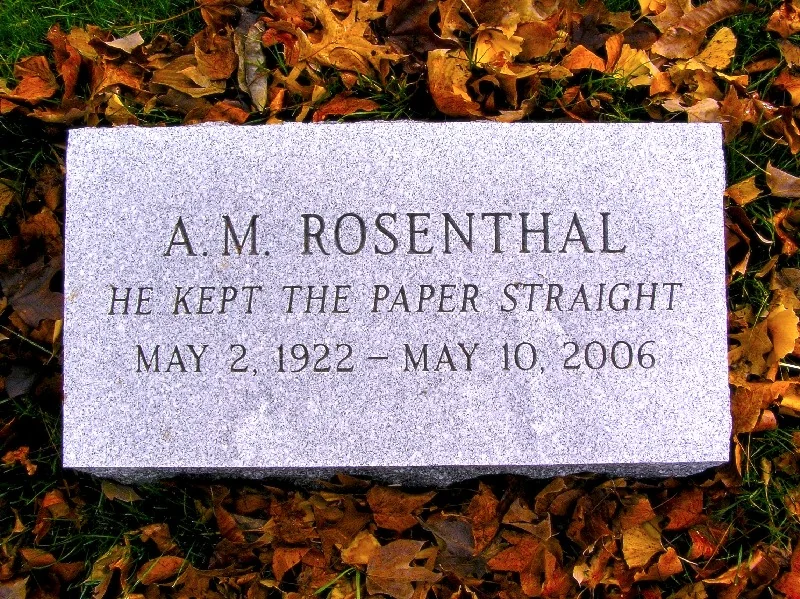
████████crowded████████

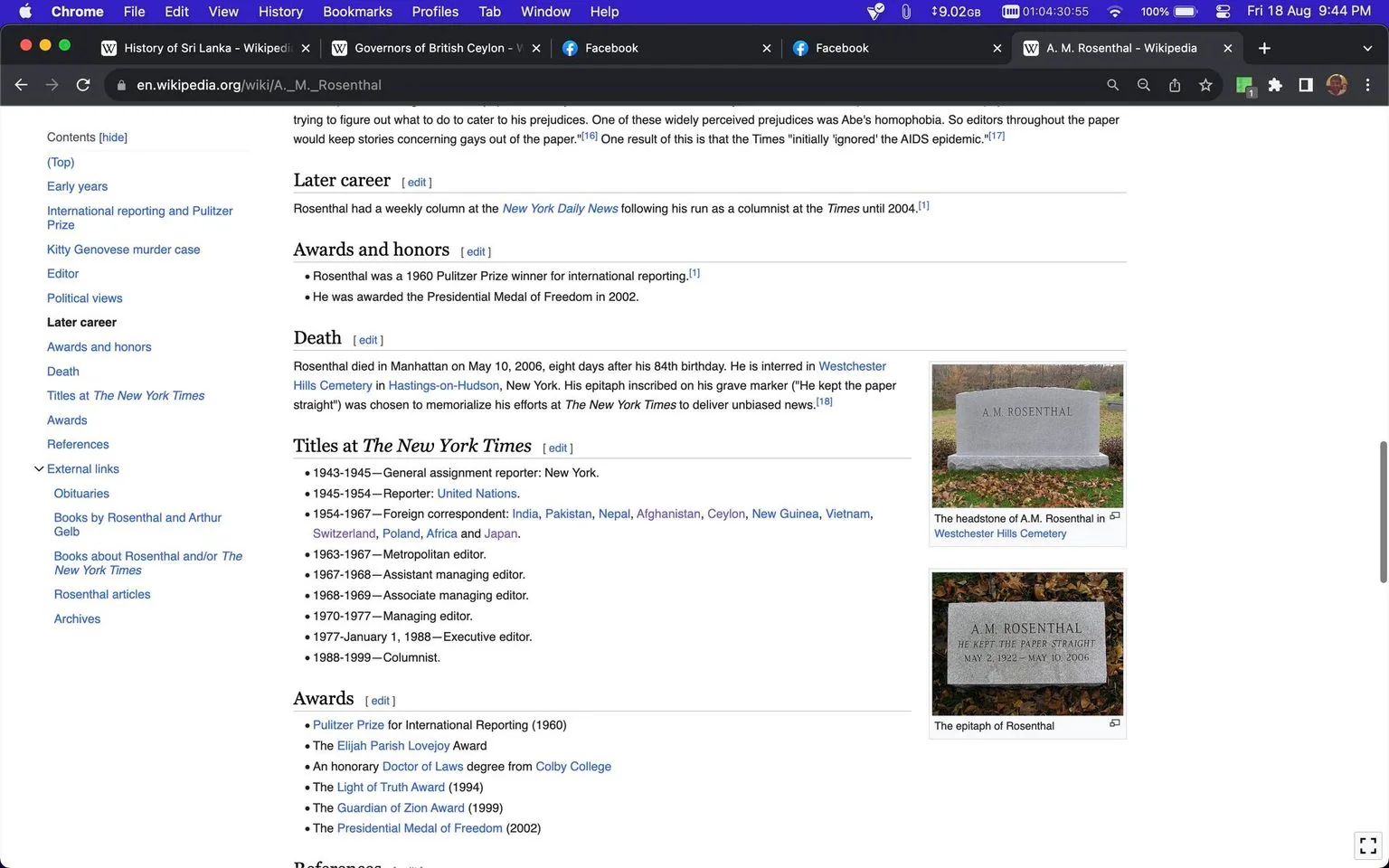
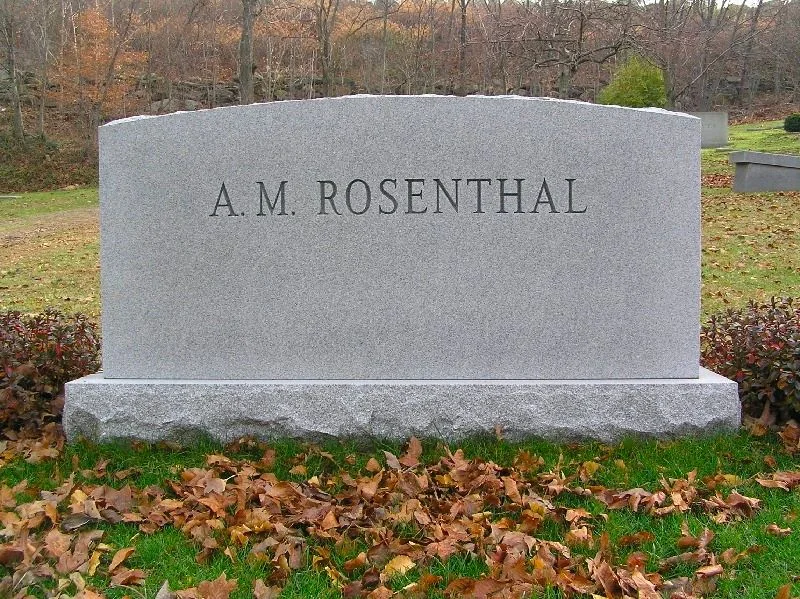
A gravestone marking the resting place of AM Rosenthal is featured prominently in this image. The stone is a polished gray granite, rectangular in shape, and set flat into the ground. It is surrounded by fallen autumn leaves in shades of brown and gold, indicating the season. The engraving on the stone reads "A. M. Rosenthal," accompanied by the phrase "He kept the paper straight," which suggests his significant contribution to journalism. Below this, the dates "May 2, 1922 - May 10, 2006" are inscribed, marking his lifespan. The setting appears to be a cemetery, providing a solemn and respectful backdrop to the scene. The lighting is natural, possibly suggesting a calm, overcast day, which adds to the reflective mood of the image.

Saying “In My Secret Life” Again

10:15 p.m.

In my secret life

█████████████████

█████████████████

█████████████████

█████████████████

█████████████████

█████████████████

█████████████████

Story

Writing Dates Without the Year

12:30 a.m.

I also write Day, Month and date, but I add st, nd, rd or th.

And I stopped adding the year

Story

Machines That Look Like Weapons Manufacturing Tools

12:30 a.m. (c)

These look like machines used to make bullets, guns and bombs

Story

Lehan Carrying a Pen, Gun and Sword

12:30 a.m. (d)

On one hand, Lehan carried a pen, and on the other hand, he had a gun. And he believed that if he had to choose one. He'd pick the sword.

Story

Journalists, Soldiers, Artists and Press Freedom Rankings

12:30 a.m. (g)

Journalists like me because I am a journalist.

Soldiers like me because I am a soldier.

Artists like me because I am an artist.

We will get our press freedom ranking all the way up.

Story

Looking Through The Post

12:30 a.m. (h)

Looked through The Post

█████████████████████

Story

Saying Nobody Cares

12:30 a.m. (i)

Nobody cares█████████████

███████████

Story

Saying “And the Dealer”

12:30 a.m. (j)

And the dealer ██████████████████

███████████████████████████████

Story

Thanking G-d

12:30 a.m. (k)

Thank G-d ████████████████████

3 matched names linked to the Names index.