16 October 2026
October 16, 2026 Lehan Edirisinghe
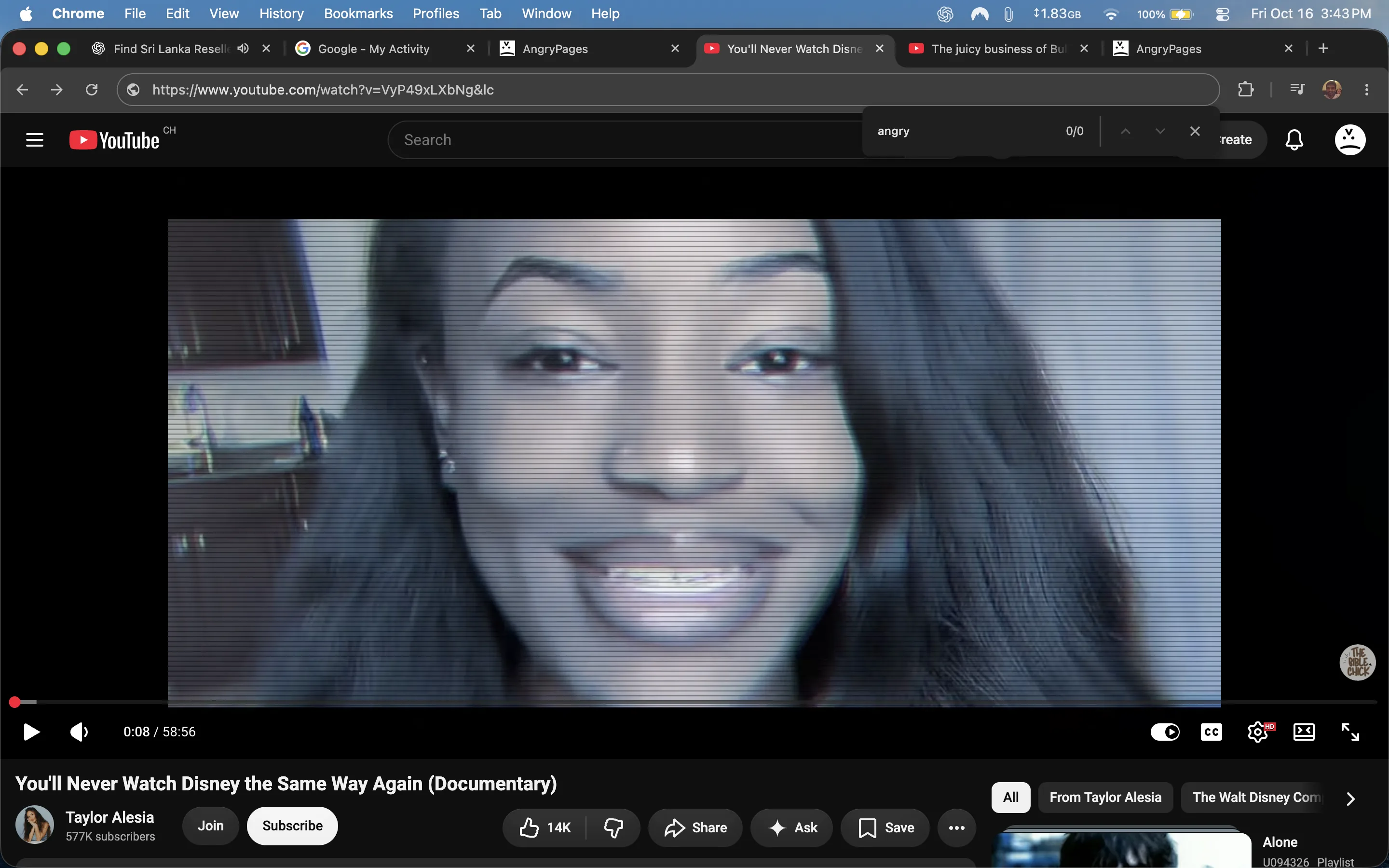
Taylor Alesia’s Disney Documentary: Where Faith, Symbolism and Evidence Part Ways
I respectfully disagree with some of Taylor Alesia's views, as much as I truly enjoyed her takes. She did a great job presenting her arguments. The quick-cut videos, editing and reasoning are spot on, and I can appreciate the tremendous effort behind the production. My resistance is towards some of her claims, particularly where interpretations are presented with such certainty that they begin to resemble established facts. Jesus woke the son of the widow at Nain, who had died (Luke 7:11–17). He did so with Lazarus, whom he first described as asleep, before explicitly telling his disciples that Lazarus was dead (John 11:11–14). There are deeper theological interpretations, of course, but the idea of describing death as sleep, and resurrection as awakening, is fascinating. What becomes of severed heads, then, such as those guillotined during the French Revolution? Interestingly, physicians actually debated whether consciousness survived decapitation, a question explored in medical literature even today. Modern evidence suggests consciousness is lost within seconds, but the larger philosophical questions surrounding death remain. And what about the slave owners who received honourable burials inside churches, while the abolitionist Freemason Sir Stamford Raffles was refused burial inside his own parish church? This isn't imaginary. Edward Long, a slave owner and outspoken defender of slavery, was buried beneath the altar of St Mary's in Slindon. Meanwhile, the vicar of St Mary's, Hendon, Theodore Williams, whose family profited from slavery, opposed Raffles' burial inside the church because of his anti-slavery position. The church itself acknowledges Williams' financial involvement in slavery. These historical contradictions interest me far more than assigning moral superiority to someone merely because they profess a particular religion.
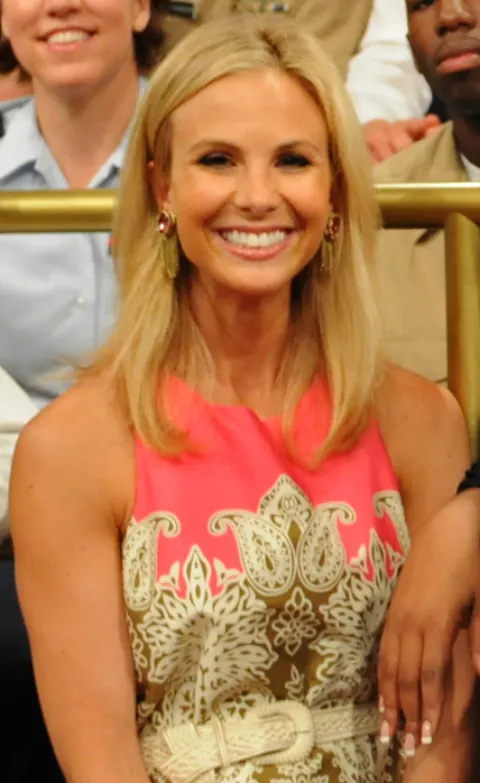
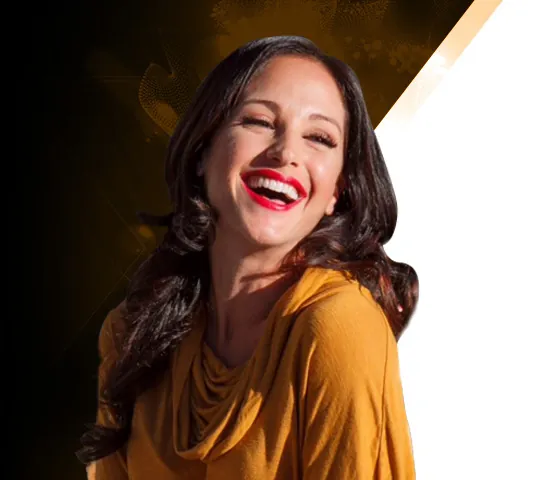
My bias is neither for nor against religion, Freemasonry or Disney. People can believe whatever they wish. I don't care, and I won't be watching more of these videos. I find anti-LGBT behaviour hateful, and the eerie manner of demanding obedience from minors makes me deeply uncomfortable. What is wrong with being gay? Why should someone's sexuality become a reason to ridicule or frighten them? And why repeatedly use the same African American lady, two or three times, in what comes across as almost sarcastic mockery? To me, that is a hateful, damaging tone, bordering on cruelty. The Emily Compagno or Elisabeth Hasselbeck type of angle might make commercial sense; a whole lot of conservatives make a ton of money from strongly polarising commentary. But when that approach becomes contrived, when opinion is delivered so aggressively and overbearingly that it passes itself off as unquestionable truth, it becomes obnoxious to neutral audiences. It's off-putting, and sometimes borders on being abusive. Some claims simply sound whack, even delusional. That doesn't mean the person making them is delusional. It means their reasoning deserves to be challenged, especially when children, minorities and other people's identities become targets of religious certainty.
Take Freemasonry, for example. Walt Disney wasn't a Freemason, as far as the documented record establishes. He belonged to DeMolay, a Masonic-sponsored youth organisation. Neither was Bill Clinton a Freemason, although he too belonged to DeMolay, joining its Hot Springs Chapter in 1961 and subsequently serving as Master Councilor. These aren't obscure distinctions; the Scottish Rite documents Disney's association, while DeMolay itself confirms Clinton's membership. There is a much cleverer argument one could make. Some argue that Freemasonry, the Craft, evolved and inspired later fraternal organisations. One could argue that Skull and Bones represents a more mature or adapted form of similar traditions, although that would be an interpretation requiring evidence, not an established institutional lineage. Likewise, some believe the Knights Templar evolved into Freemasonry, while others dispute any direct relationship. In fact, the Grand Lodge of Maine explicitly acknowledges that no provable historical connection exists between medieval Templars and modern Masonic orders. Yet these organisations share traditions of fraternity, symbolism, ritual and personal bonds. One could explore how they may have drawn inspiration from the Blue Lodge, particularly given the role Freemasonry played in the social networks of several American founders. That is a fascinating argument worth developing. But inspiration is not membership, and similarity is not evidence of conspiracy. Freemasonry itself describes its teachings as a peculiar system of morality, veiled in allegory and illustrated by symbols. Jesus taught through parables, and Disney tells stories through fantasy and imagination. Their purposes aren't identical, but surely the existence of symbolism isn't enough to establish evil intentions.
As for children, they're your children. You can dominate them, strip away their identities, demand obedience and try to force them to memorise the Bible. But the harder you chase faith through fear and control, the harder it may become for them to embrace it themselves. They'll be forever at odds with everyone around them who happens to enjoy watching Disney. What happens when they grow older, encounter different ideas, meet gay people, form friendships with those of other religions, and discover that the world isn't divided as neatly as they were taught? Faith that survives only by restricting exposure to different ideas seems rather fragile. Children need guidance, certainly, but guidance should develop their capacity to reason, not merely their willingness to obey. There is something particularly troubling about teaching children to associate ordinary entertainment, individuality or sexuality with spiritual danger. I question whether that creates genuinely faithful adults or simply frightened ones who eventually come to resent the very beliefs their parents worked so hard to impose.
None of this diminishes your eloquently articulated work, Taylor, or the many months and prayer behind your high-effort, high-value content production. It doesn't shatter your self-worth, standing or status. Yes, the coherence of your views is often sound, and I understand how you arrive at some of your conclusions, even where I disagree. I also see how polarising opinions become lightning rods for insults, with people immediately declaring, "Oh, she's crazy." I don't agree with that kind of mischaracterisation. Just because one idea is wrong doesn't mean everything else a person says is wrong. You can produce something impressive, articulate an argument beautifully, and still reach a mistaken conclusion. That's precisely why evidence matters. My concern is not that you have convictions, but that some theories are expressed so forcefully that alternative interpretations seem almost forbidden. You don't have to abandon your religion, apologise for your faith or compromise your beliefs to acknowledge uncertainty, recognise other people's dignity, or allow children to think independently. I respect your work and the seriousness with which you approach it. I simply wish that same seriousness extended to the consequences of the claims being made, and the people who must live with them.
මෙම පිටුවේ නම්
නම් දර්ශකයට සම්බන්ධ ගැළපුණු නම් 2 කි.