$100,000 an Hour: The Note I Wrote to the New York Times Owner

Lehan Edirisinghe

Walter Isaacson and NYT’s Sulzberger sharpened a storytelling impulse. King Arthur and Halo’s “Demon” lines kept it marching Media gravity, Halo lore, and one decisive line to the New York Times owner culminate in my $100k/hour valuation before sleep
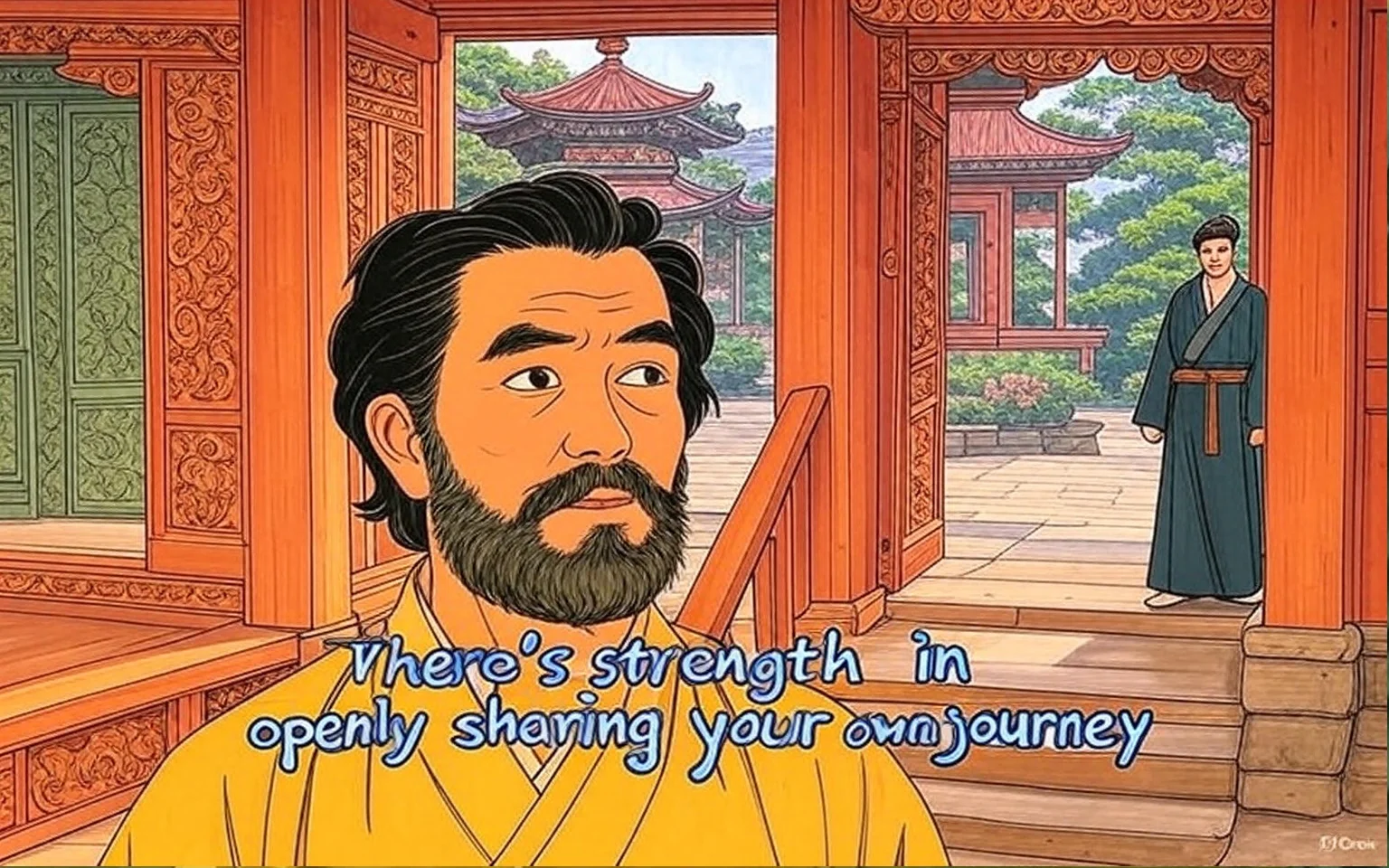
In the image, we see a scene that conveys a moment of introspection and emotional depth. The setting appears to be an elegant interior, possibly a grand staircase area in a building, characterized by warm lighting that casts a soft glow over the surroundings. The light creates an inviting atmosphere, with a hint of nostalgia.

The central figure in the frame is a man with a distinct appearance. He has tousled, curly hair and a well-groomed beard, both of which frame his face and add to his expressive demeanor. He is dressed in a light-colored, high-collared garment that suggests a formal or historical style, contributing to the overall ambiance of the scene. His gaze is directed upward, suggesting a moment of contemplation or earnestness as he engages in conversation. The expression on his face is one of sincerity, perhaps even vulnerability, as he seems to be sharing a significant thought or insight.

The text overlay reads, "There's a lot of power in sharing your story," which adds a layer of meaning to the visual. This statement implies that the conversation is centered around themes of personal narrative, communication, and the impact of storytelling. The man's expression and posture reinforce the weight of his words, suggesting that he believes deeply in the importance of sharing experiences and connecting with others through stories.

In the background, we can see a staircase leading upward, which might symbolize a journey or progression, further enhancing the theme of storytelling as a means of personal growth or transformation. The staircase is well-lit, drawing the viewer's eye and adding depth to the composition. There are also decorative elements, such as flowers or plants, that add a touch of life and warmth to the scene.

Overall, the image captures a poignant moment that invites viewers to reflect on the significance of sharing one's experiences and the connections that can be forged through storytelling. The combination of the man's earnest expression, the warm lighting, and the thoughtful message creates a powerful visual narrative that resonates with themes of vulnerability, connection, and the human experience.

Neil Patrick Harris, Peter Dinklage and Shakira

I loved to see Neil Patrick Harris on Dexter Resurrection!

And this guy!

Peter Dinklage!

GREAT TV!

***

Shakira - Underneath Your Clothes

https://youtu.be/uwBwKcQ1k84?t=36

You're a song

██████████████hands of God

██████████████████

████████████████████████████████████████

█████████████████████

███████████████████████████████

████████████████████████████

████████████████████

Underneath your clothes

There's an endless story

████████████████████████

████████████████████

████████████████████████████

█████████████████████████████████
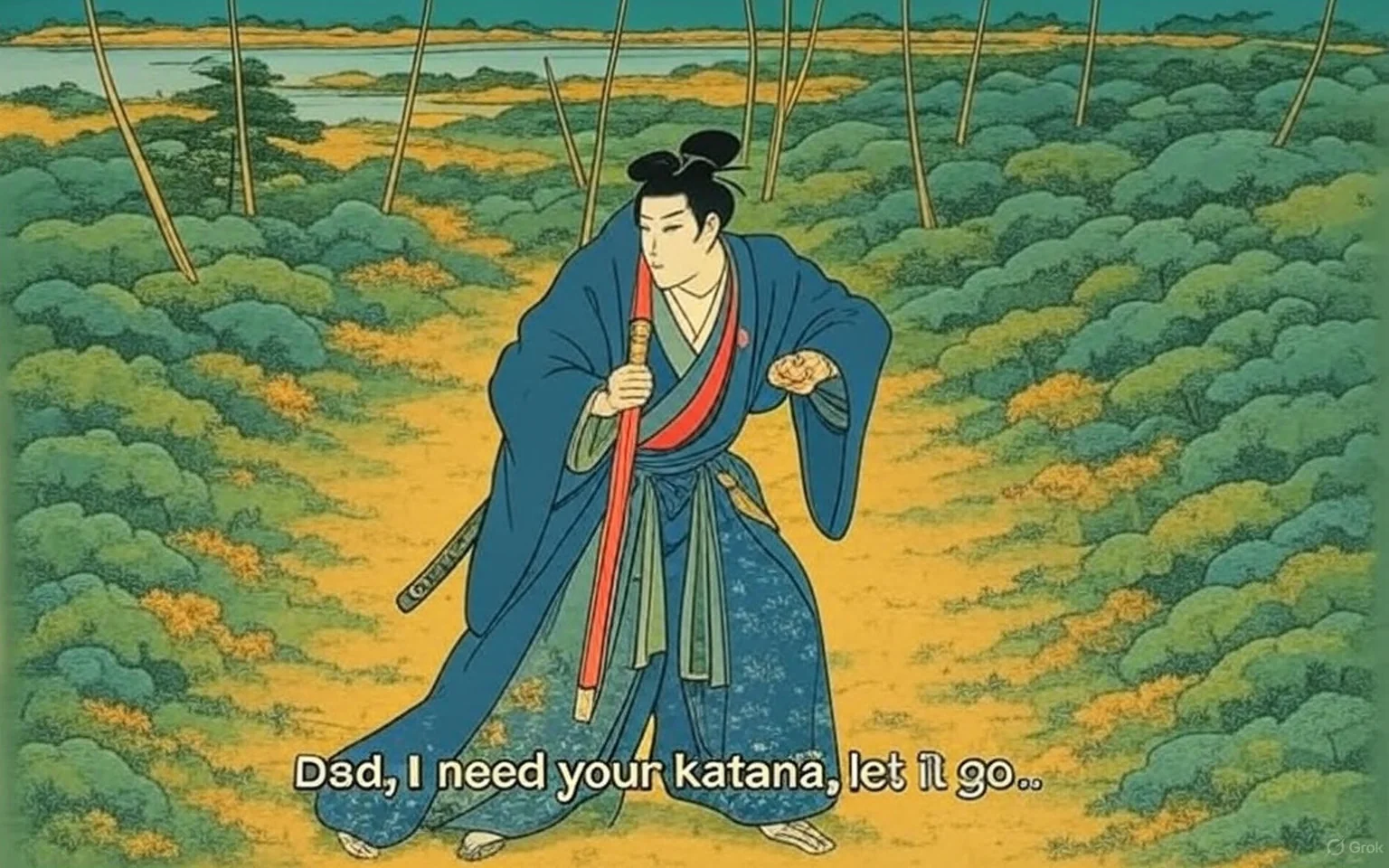
In this evocative scene, we see a figure clad in a flowing, dark robe, kneeling on a lush, green patch of grass. The atmosphere is thick with a mystical, almost ethereal quality, enhanced by a greenish hue that envelops the surroundings. This color palette creates a dreamlike ambiance, suggesting a moment of deep significance or emotional weight.

The figure, who appears to be a young man, is holding a sword with both hands, gripping it tightly as he bows his head. The sword is ornate, gleaming in the soft light, and its design suggests it holds great importance—perhaps a symbol of power, heritage, or destiny. The young man's posture conveys a mix of reverence and desperation, as if he is pleading for something monumental to occur. The caption beneath the image, "Father, please let loose your sword," adds layers of emotional depth, indicating a plea for permission or guidance from a paternal figure.

The background is sparse, with hints of distant structures or poles that might suggest a battlefield or a ceremonial site. The grass is lush and vibrant, contrasting with the somber mood of the scene. This juxtaposition of life and the weight of the moment creates a tension that draws the viewer in, inviting them to ponder the significance of the sword and the relationship between the young man and his father.

The overall tone of the image is one of solemnity and anticipation. The young man's expression, though not fully visible, suggests a deep emotional struggle, possibly reflecting themes of duty, legacy, or the burden of expectation. The green light casts an otherworldly glow, enhancing the sense that this moment is not just a physical act but a pivotal point in a larger narrative.

This scene could be interpreted as a moment of transition—perhaps a rite of passage or a call to action. The sword, often a symbol of conflict and resolution, hints at the challenges that lie ahead. The young man's plea suggests an inner conflict, torn between his desires and the weight of his lineage.

In summary, this image captures a powerful moment filled with emotional resonance, rich symbolism, and a sense of impending change. The visual elements work together to create a narrative that invites contemplation and engagement, leaving the viewer curious about the story that unfolds beyond this moment.

Urging Arthur to Win as New York Times Publisher

Arthur, you hold a mighty sword, in your hand, as New York Times owner, and publisher, with your dual class NY company stock.

Just like your dad!

And your family.

Win.

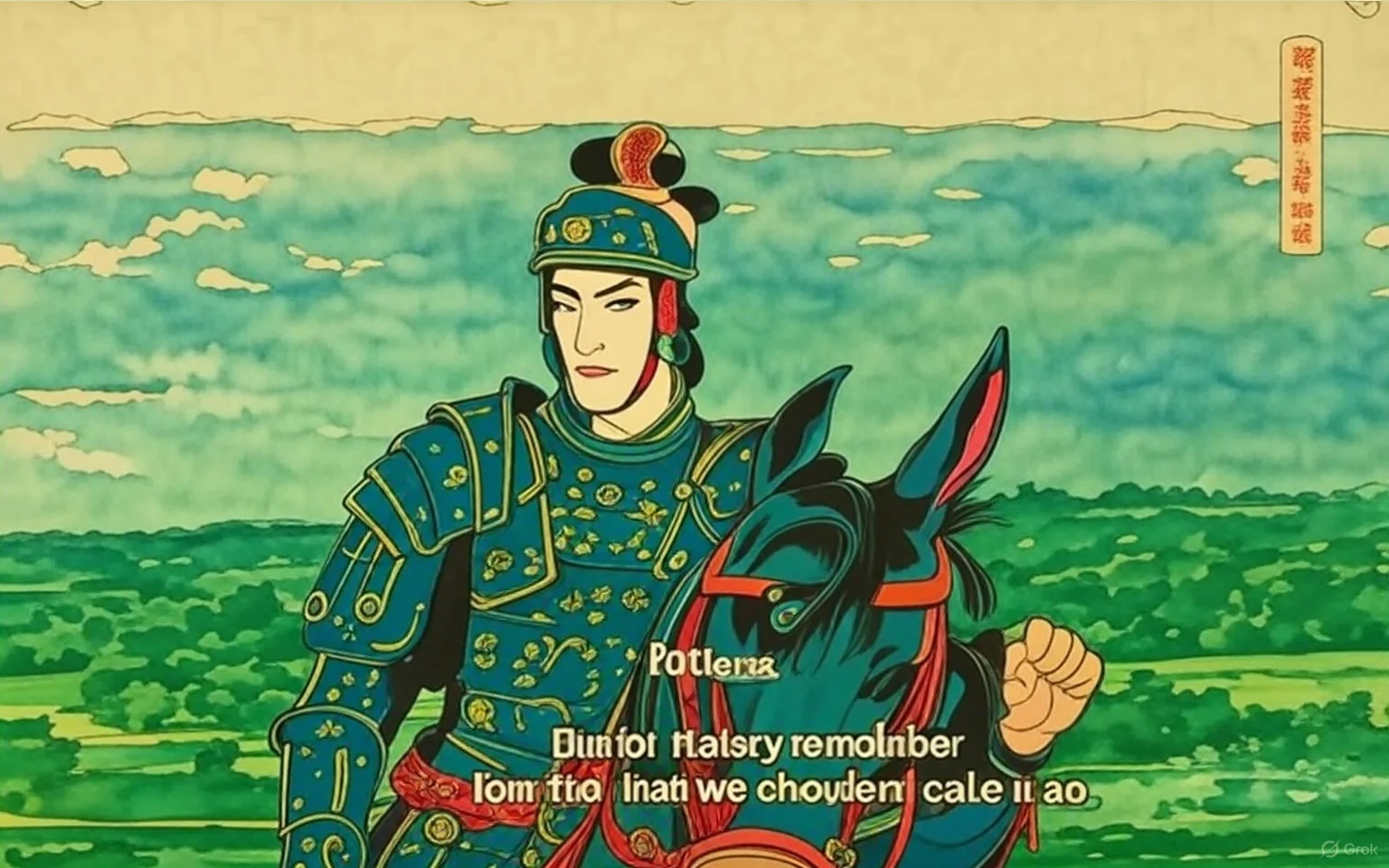
The image captures a dramatic moment from a historical or epic film, featuring a man dressed in ornate armor, indicative of a Roman or ancient warrior. He is mounted on a horse, which appears to be in motion, adding a sense of urgency and action to the scene. The man's expression is intense and passionate, suggesting he is delivering a powerful speech or rallying his troops. His mouth is open, emphasizing the fervor of his words, and his eyes convey determination and resolve.

The armor he wears is richly detailed, with intricate designs that reflect both status and the craftsmanship of the time. The helmet is adorned with a crest, and the overall ensemble suggests he is a leader or a figure of significant importance in the narrative. The horse, partially visible, has a strong build, and its ears are perked up, indicating alertness and readiness for action.

The background features a lush, green landscape, with rolling hills and a cloudy sky that casts a somewhat dramatic light over the scene. The colors are muted yet vibrant, contributing to the epic atmosphere. The greenery suggests a battlefield or a location of historical significance, possibly hinting at a moment of conflict or a pivotal turning point in a story.

The text overlay reads, "But let history remember that as free men we chose to make it so," which adds depth to the visual. It implies themes of freedom, choice, and the weight of history, suggesting that the character is addressing a group of followers or soldiers, urging them to fight for their liberty or a noble cause. This line resonates with notions of heroism and sacrifice, common in stories centered around battles for freedom.

Overall, the image is rich in emotion and context, capturing a moment that is both visually striking and thematically profound. It evokes feelings of inspiration and courage, drawing the viewer into the narrative of struggle and the quest for autonomy. The combination of the character's commanding presence, the detailed armor, and the evocative landscape creates a compelling tableau that speaks to the timeless nature of such stories in human history.

Enjoying King Arthur With Excalibur and Merlin

I liked to see Arthur 2004, which is beautiful!

King Arthur, with excalibur, and Merlin the mage, and Guinevere and Lancelot -- and a Prince William voice
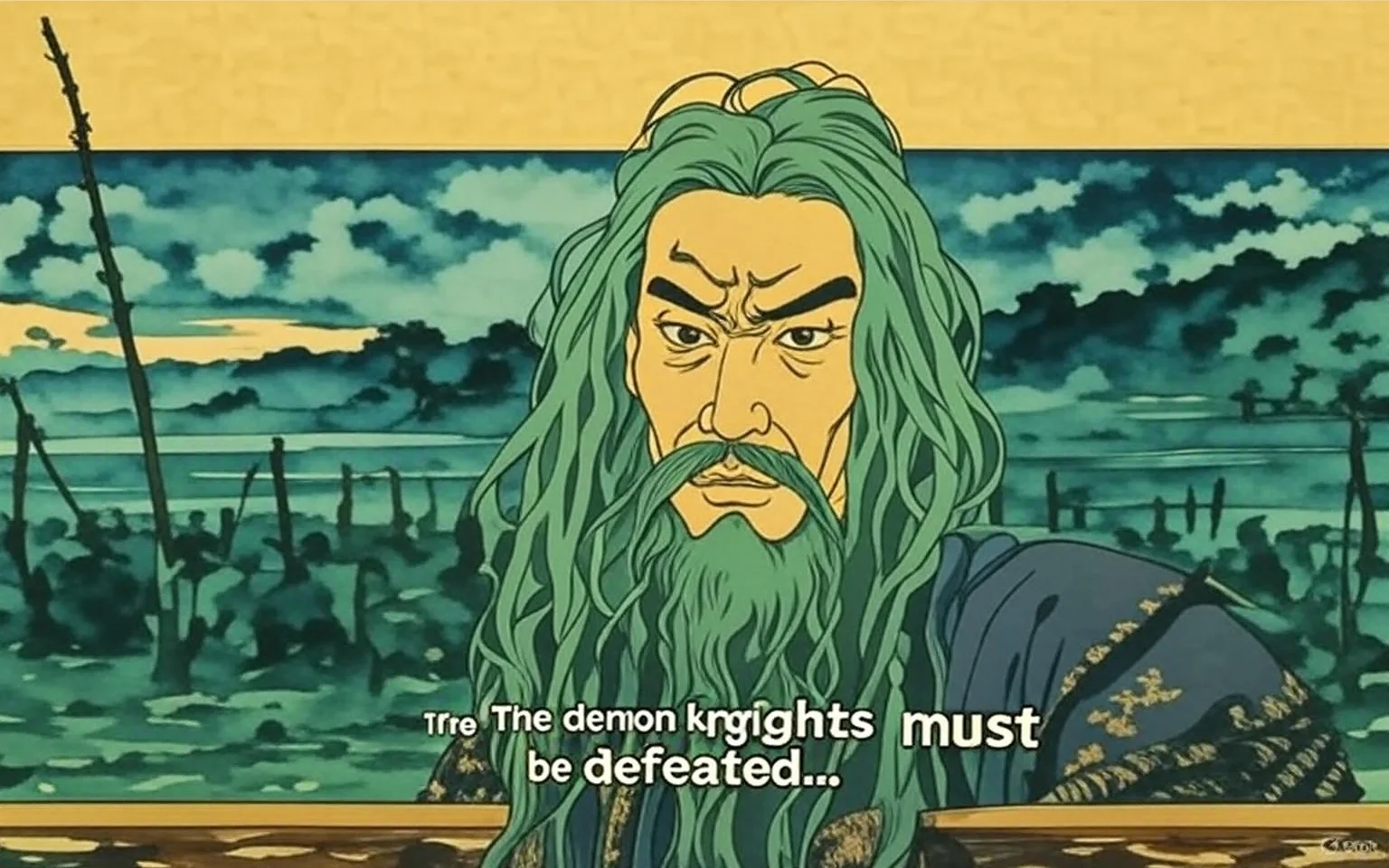
In this image, we see a solemn figure, a man with long, flowing hair and a thick beard, standing in a desolate landscape. His expression is one of deep contemplation or concern, with his eyes closed and a furrowed brow, suggesting he is grappling with a heavy thought or revelation. The man appears to be in a medieval or fantasy setting, likely a warrior or a sage, given his rugged appearance and the leather armor he wears, which is adorned with intricate details.

The background is shrouded in a misty, ethereal atmosphere, with a muted color palette dominated by shades of green and blue. This creates a sense of foreboding and mystery, enhancing the gravity of the man's statement: "The knights are demons." This line suggests a narrative steeped in conflict and perhaps betrayal, hinting at a deeper story involving knights who may not be what they seem.

In the distance, we can see a blurred crowd, possibly an army or a gathering of people, their forms indistinct and ghostly due to the fog. This adds to the tension of the scene, as it implies that there is a larger conflict at play, one that the man is acutely aware of. The mist and the muted colors contribute to an overall feeling of unease, as if the viewer is witnessing a pivotal moment in a larger tale of war and deception.

The man's demeanor and the ominous backdrop evoke a sense of impending doom, making the viewer curious about the circumstances that led to this moment. Is he a prophet warning of an impending disaster? A warrior disillusioned by the true nature of his allies? The ambiguity invites speculation and adds depth to the scene.

Overall, the image captures a moment of introspection against a backdrop of tension and uncertainty, drawing the viewer into a narrative filled with intrigue and potential conflict.

Halo Grunts Calling Master Chief “Demon”

What I liked most, about Halo

The video game

Was how, the Grunts, in the Covenant, and the Brutes, they got to talking, their██████████████████████████ and they're like

Calling Master Chief John 117, "Demon"

And they say it in Halo 3, when they run away

And I just love that
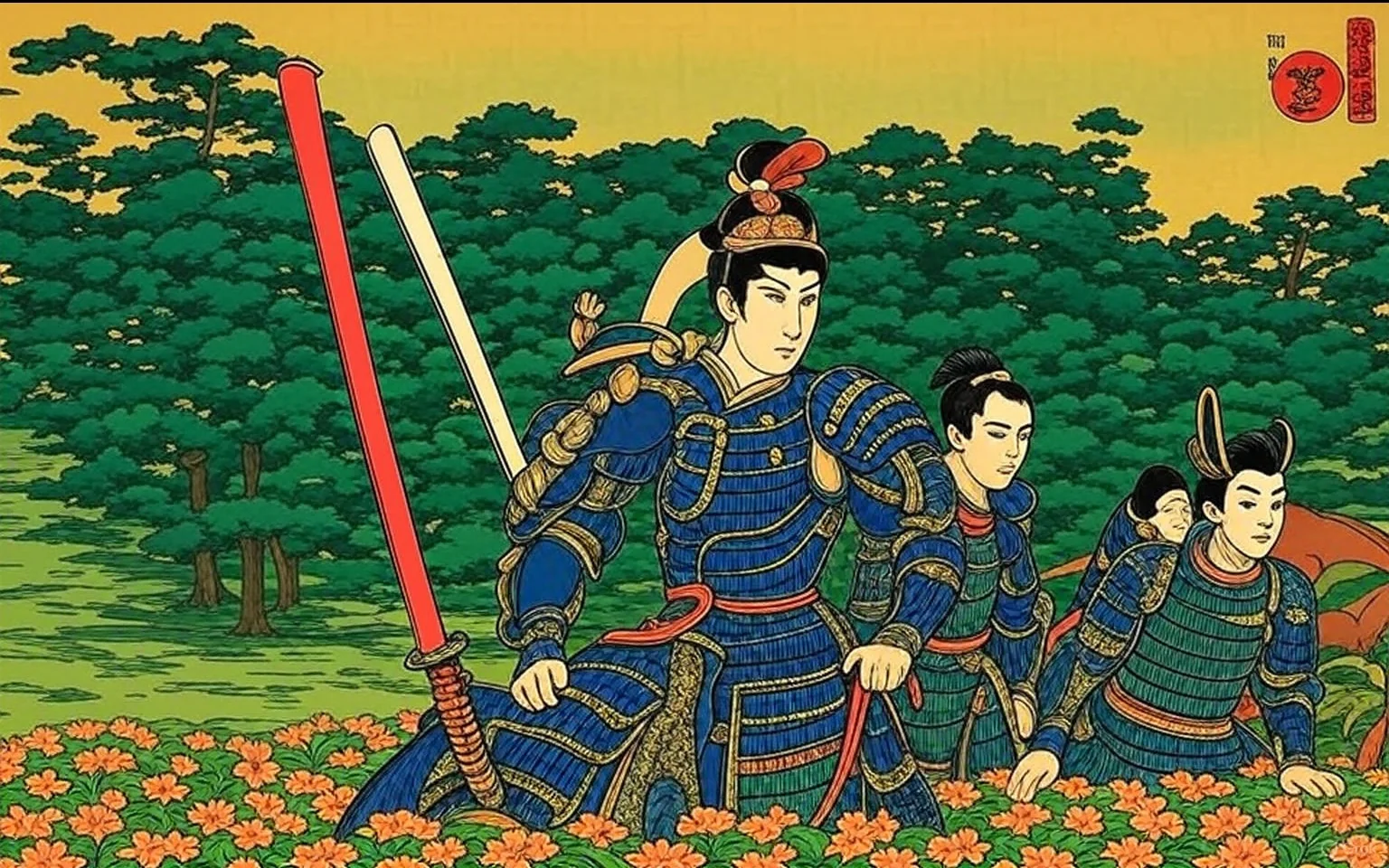
The image depicts a dramatic scene featuring two armored figures on horseback, set against a backdrop of lush greenery and a misty atmosphere. The lighting suggests it might be early morning or late afternoon, with a soft, diffused glow filtering through the trees, creating an almost ethereal quality.

In the foreground, the prominent figure on the left is a knight or warrior, dressed in ornate armor that glistens subtly in the light. His armor is detailed, featuring intricate designs that suggest a high rank or status. He wears a helmet adorned with a plume, which adds a regal touch to his appearance. His expression is focused and determined, indicating that he is either preparing for battle or surveying the surroundings for potential threats. In his right hand, he holds a long spear, its tip gleaming, hinting at readiness for action.

The horse he rides is equally impressive, clad in protective gear that matches the warrior's armor. The horse’s head is turned slightly, giving a sense of alertness, as if it senses the tension in the air. The animal's powerful build and the intricate detailing of its armor contribute to the overall sense of strength and readiness.

To the right, another armored figure rides alongside the first. This second warrior appears slightly less prominent but still carries an air of authority. He holds a sword, poised and ready, suggesting a sense of camaraderie and shared purpose between the two. His armor is similarly detailed, though perhaps less ornate than that of the first warrior. The expression on his face is serious, reflecting the gravity of their situation.

The background is filled with dense trees, their leaves a vibrant green, contrasting with the darker tones of the warriors' armor. A slight mist hangs in the air, adding a layer of mystery and tension to the scene. The ground is covered in lush grass, which suggests a peaceful setting that contrasts sharply with the warriors' readiness for battle.

Overall, the image conveys a sense of anticipation and readiness for conflict. The warriors, with their impressive armor and weapons, embody the themes of bravery and honor, typical of epic tales of battle and heroism. The natural setting enhances the drama, creating a vivid tableau that invites viewers to imagine the story unfolding beyond the frame. The combination of the warriors' expressions, their poised stances, and the atmospheric backdrop evokes a feeling of impending action, making the viewer curious about the events that might follow.

A Bleeding Kyber Crystal in a Future King’s Hands

Only thing cooler than Darth Vader's lightsaber is a bleeding kyber crystal in the hands of a man who becomes king
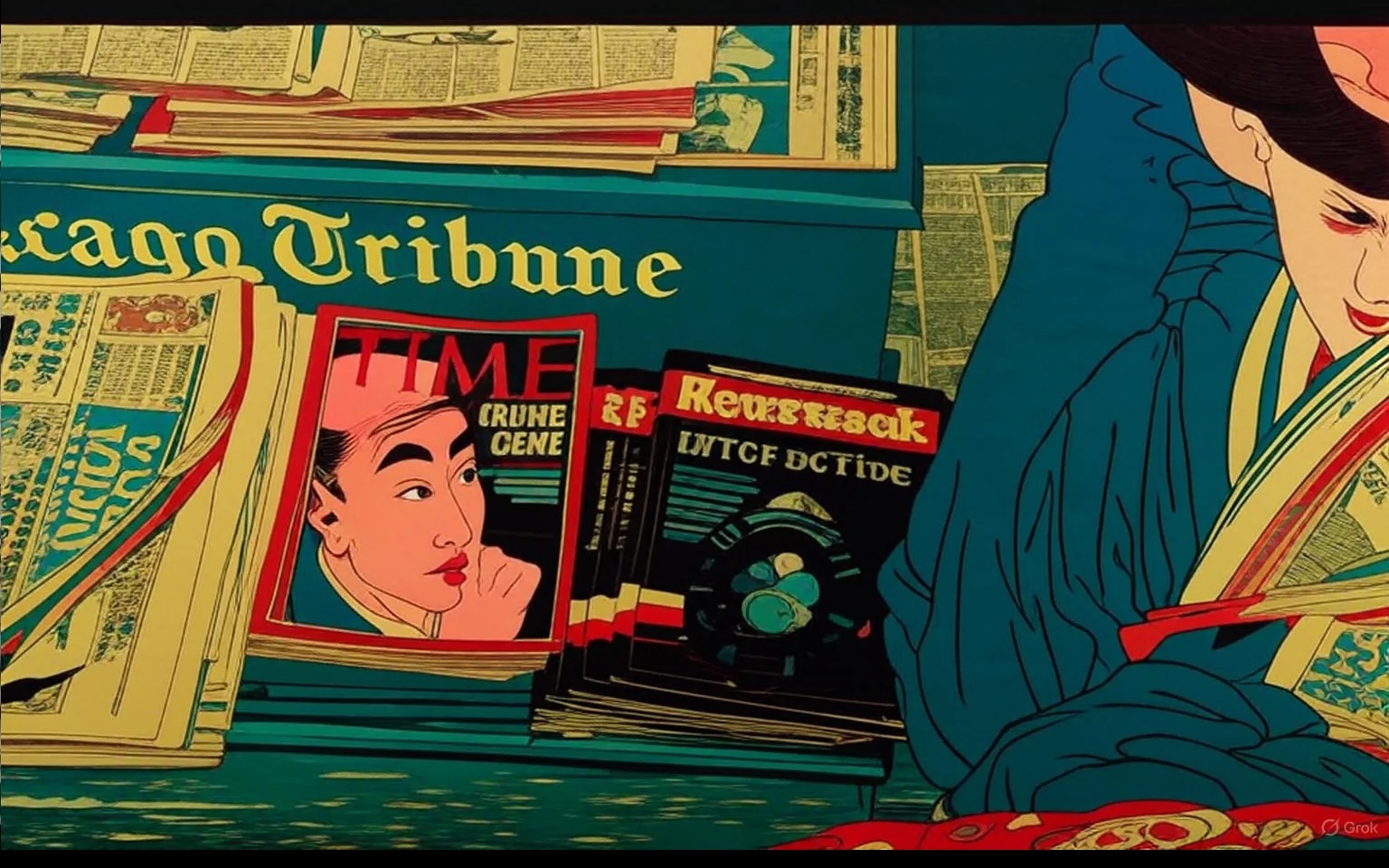
The image captures a moment at a newspaper stand, prominently featuring a green box labeled "Chicago Tribune." The box is filled with various newspapers and magazines, creating a vibrant tableau of printed media. 

At the forefront, a striking issue of *TIME* magazine stands out with its bold red cover. The headline reads "DOCTOR DEATH," accompanied by a photograph of a man with a thoughtful expression, resting his chin on his hand. This cover suggests a serious or controversial topic, likely related to medical ethics or a notable figure in the medical community.

Next to the *TIME* magazine, a stack of *Newsweek* magazines can be seen, their covers adorned with the title "in'ter-active," hinting at themes of technology and interactivity. The vibrant red of the *Newsweek* cover contrasts with the more subdued tones of the surrounding newspapers, drawing the viewer's eye.

In the background, several newspapers are visible, including a copy of *USA Today*, identifiable by its characteristic layout and logo. The papers are stacked haphazardly, suggesting a busy newsstand that caters to a diverse audience looking for the latest headlines.

To the right of the image, a person's hand is visible, holding a newspaper. The hand appears to be casually resting on a knee, indicating a relaxed moment, perhaps while waiting or taking a break. The individual's attire is casual, with blue denim visible, adding to the everyday atmosphere of the scene.

The overall composition of the image evokes a sense of nostalgia for print media in a digital age. It captures the essence of a bustling city life, where people engage with news and information in tangible forms. The juxtaposition of serious topics on the magazine covers with the casual setting of a newspaper stand reflects the complexity of modern life, where weighty issues coexist with the mundane.

The colors in the image are rich and varied, with the deep green of the newspaper stand providing a grounding element against the bright reds and whites of the magazines. The lighting appears natural, suggesting that this scene could be taking place outdoors or in a well-lit area, enhancing the inviting feel of the newsstand.

Overall, this image serves as a snapshot of a moment in time, encapsulating the culture of reading and the importance of staying informed, while also hinting at the changing landscape of media consumption. It invites viewers to reflect on their own interactions with news and information, whether through print or digital means.

Walter Isaacson Maybe Visiting My Facebook Page

Walter Isaacson (if real profile) was here on my Facebook!

You don't know Jack about me!

(Or I sure hope so)

Magazine Interviews With Arthur, Oliver Stone and Others

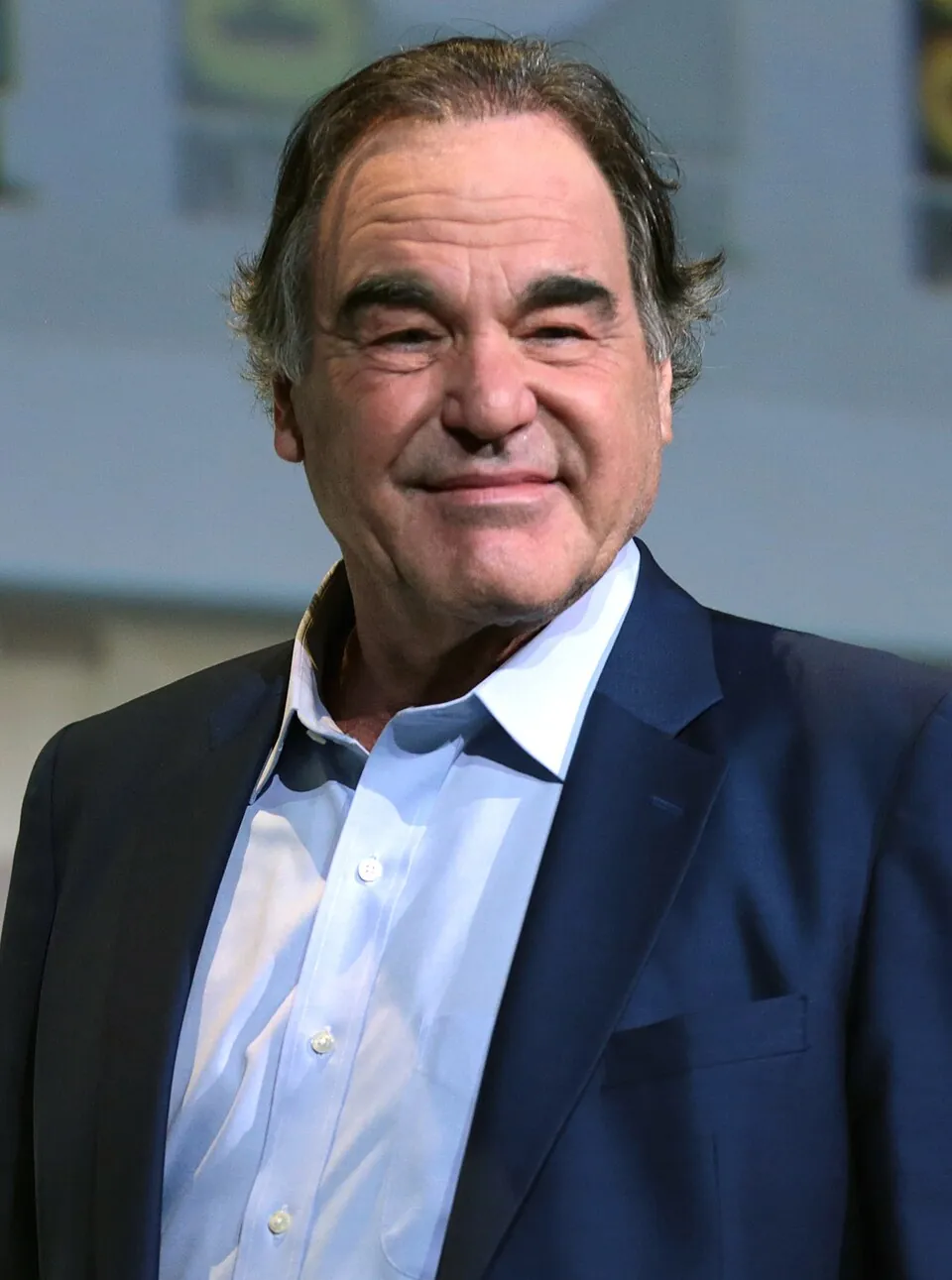
The only way Arthur Sulzberger, Oliver Stone or Roger something at Rolling Stone, or I guess, Elisabeth and Emily C, or Walter can get an interview on me,

(my favorite publication), and THEN, maybe, they can have a real chance

That's the only way

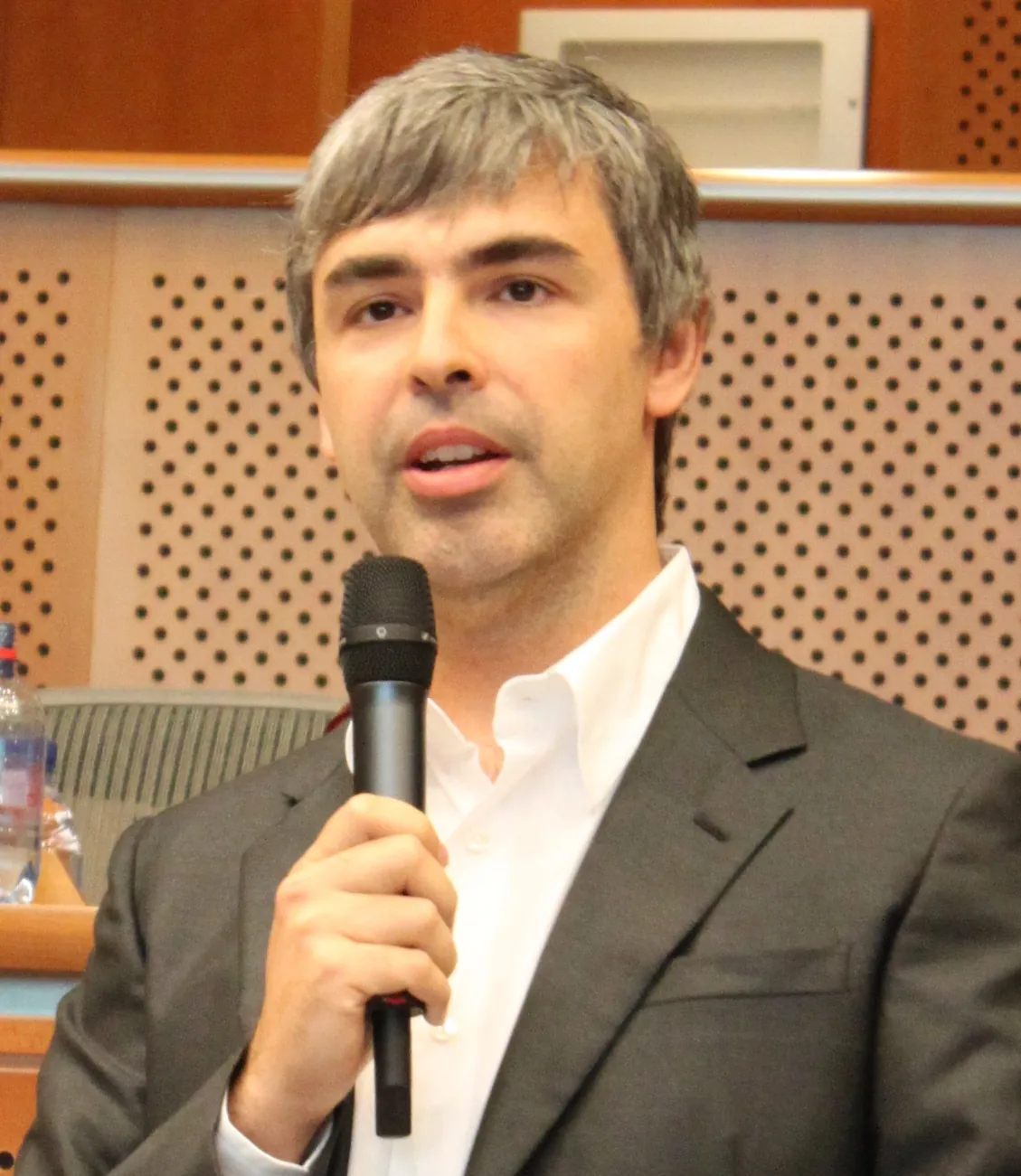
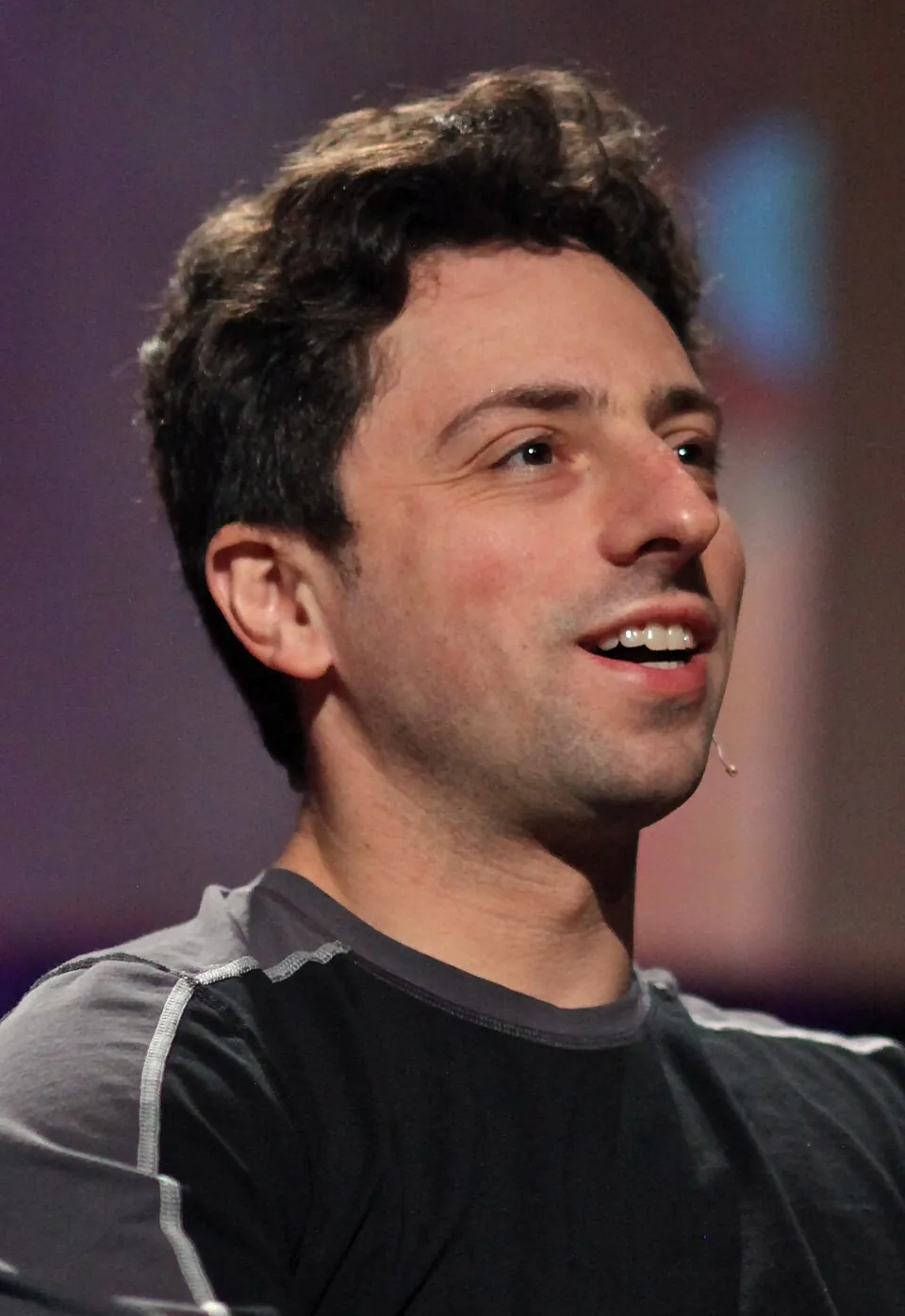
Unlike Larry Page, and Sergey Brin, I will only ever PROUDLY do an interview with them

Or like Marie something in France

Marie something

I can't remember

I Googled her like a few times

I can't remember their name

Can you guess, how many times I Googled ?

Trying to Remember Roger’s Name

Roger something I can't remember

Remembering Michael Rogers From Newsweek and Rolling Stone

He was in Newsweek before he went to Rolling Stone

I can't remember his name...

Michael Rogers!

Estimating a $100,000 Speaking Fee

I guess, I can charge like, $100,000 per hour or something

Per speaking gig
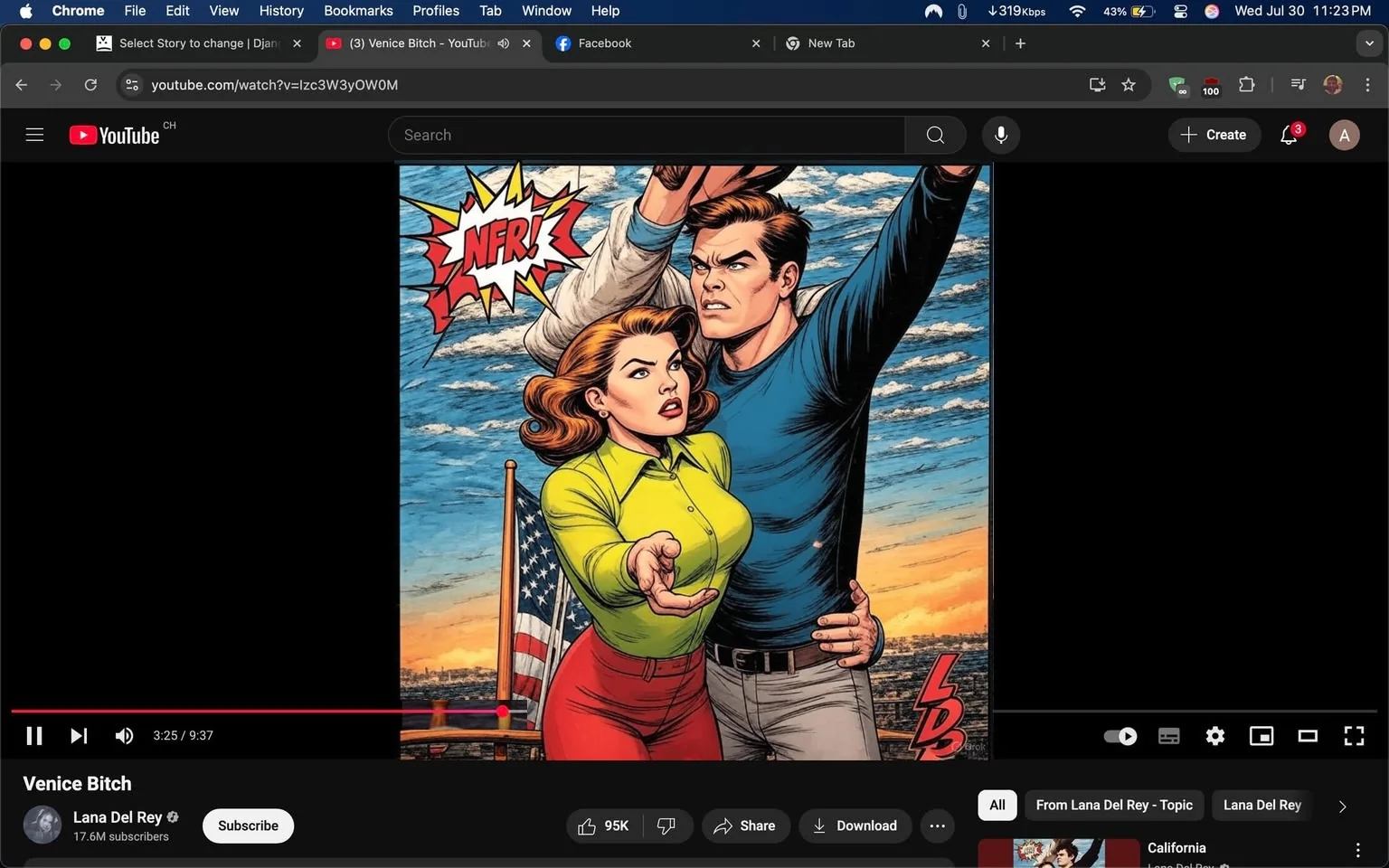
The image features a vibrant and stylized album cover for the song "Venice Bitch" by Lana Del Rey. The artwork is rich in color and composition, capturing a nostalgic and cinematic feel. 

In the foreground, two figures are prominently displayed. A woman, dressed in a bright green, semi-transparent jacket, leans closely to a man, who is wearing a fitted black shirt. The woman has a confident yet dreamy expression, her gaze directed slightly off to the side, suggesting a sense of longing or contemplation. Her hair is styled in soft waves, framing her face and adding to the ethereal quality of the image. The man stands beside her, his posture relaxed yet assertive, with one arm extended outward as if inviting the viewer into their world. He has a serious expression, which contrasts with the woman's more playful demeanor.

Behind them, an American flag can be seen, fluttering gently, which adds a layer of Americana to the scene. The background features a bright blue sky with soft clouds, suggesting a serene coastal setting, likely indicative of Venice Beach, California. The water below reflects the warm hues of the sunset, creating a dreamy atmosphere that complements the overall theme of nostalgia.

In the top left corner, there’s a comic-style speech bubble with the text "NFR!" This likely refers to Lana Del Rey's album "Norman F***ing Rockwell!" which adds a playful and modern twist to the artwork. The use of this pop-art element contrasts with the otherwise romantic and cinematic aesthetic, creating a unique blend of styles.

The bottom right corner features the initials "LDR," which are commonly associated with Lana Del Rey, further solidifying the branding of the artist. The overall color palette is warm and inviting, with shades of blue, green, and hints of orange, evoking feelings of summer and freedom.

The composition of the image suggests a narrative, perhaps of love, adventure, and the complexities of relationships. The juxtaposition of the characters' expressions—her dreamy allure and his serious demeanor—invites viewers to interpret their story, leaving room for imagination and personal connection.

The album cover encapsulates the essence of Lana Del Rey's music, which often explores themes of love, loss, and the American experience, all wrapped in a lush, cinematic style. The artwork is not just a visual representation but an extension of the emotions and stories conveyed in her songs, making it a fitting introduction to "Venice Bitch."

Sleeping Before Work and Moving Facebook Data

I have to go to sleep, so I can wake up for like, some work

This month's stuff, is like going to be moved, and deleted on fb

3 matched names linked to the Names index.