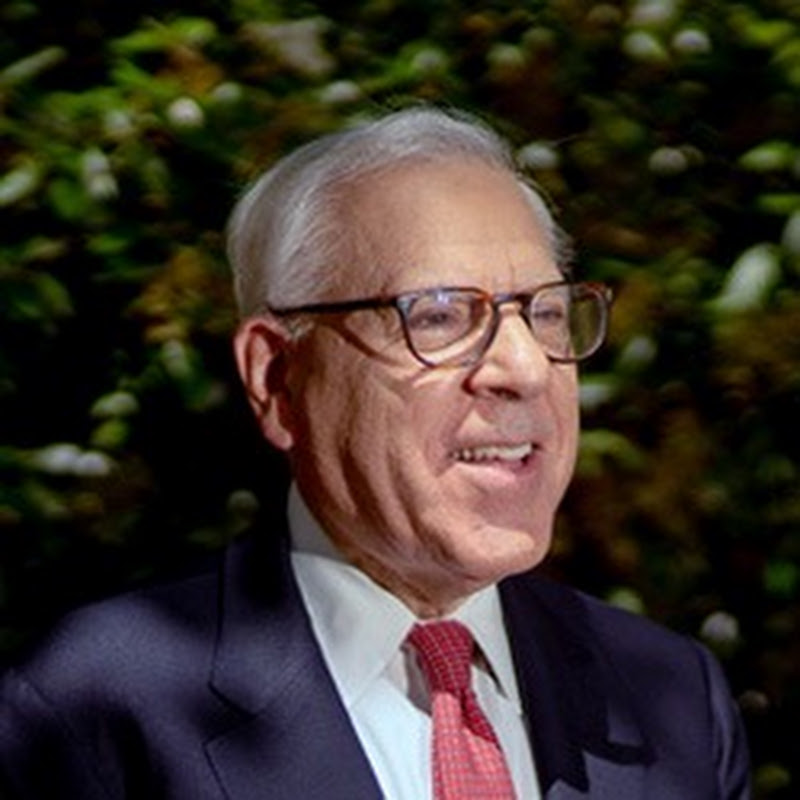
David Rubenstein

David Rubenstein

Summary

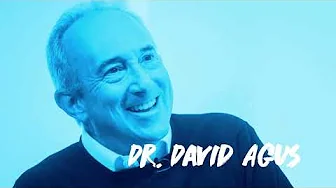
The David Rubenstein Show: David Agus M.D.

- Cancer is increasingly appearing in younger adults, and doctors still do not know why. Dr. David Agus identifies rising colorectal and breast cancers among people in their twenties, thirties, and forties, while criticizing inadequate U.S. data collection needed to investigate suspected environmental, dietary, and other causes.

- Detecting cancer does not always mean treating it will improve someone's health. Agus says many slow-growing prostate, thyroid, and breast cancers can be monitored through active surveillance, avoiding unnecessary operations, radiation, and side effects that may outweigh any benefit.

- Inherited cancer risks can now be investigated through genetic testing costing approximately $100. Agus says relevant cancer-risk genes can be examined rapidly, allowing prevention and screening to be tailored to inherited mutations that might otherwise remain hidden by incomplete family medical histories.

- Artificial intelligence is helping the Ellison Medical Institute design potential cancer drugs in months rather than years. Agus says his approximately 250-person institute has developed AI-designed molecules for prostate and breast cancer, with the prostate treatment expected to enter clinical testing the following year.

- Agus calls commercial anti-aging clinics selling unproven stem-cell treatments fraudulent. Although legitimate trials are investigating regenerative treatments for damaged hips, hearts, eyes, and other tissues, he says the science remains experimental and cannot support the rejuvenation promises already being marketed to consumers.

- A European study cited by Agus associated every additional year before retirement with a 3% reduction in Alzheimer's incidence. He recommends maintaining intellectually demanding activities as people age, although the association does not establish that delaying retirement itself prevents dementia.

- Jack Kemp invited Agus to a family dinner to explain his personal values before entrusting him with medical decisions. Kemp assembled his family and had members of his church serve dinner, telling Agus he trusted his judgment but wanted his doctor to understand the people and beliefs important to him.

- Agus performs autopsies on patients who die under his care to discover what he missed or misunderstood. By combining laboratory research with treatment of advanced cancer patients, he also observes tumors evolving under drug pressure over weeks or months, using both successes and failures to improve his understanding of cancer.
Article

The David Rubenstein Show: David Agus M.D.

- Cancer is increasingly appearing in younger adults, and doctors still do not know why. Dr. David Agus identifies rising colorectal and breast cancers among people in their twenties, thirties, and forties, while criticizing inadequate U.S. data collection needed to investigate suspected environmental, dietary, and other causes.

- Detecting cancer does not always mean treating it will improve someone's health. Agus says many slow-growing prostate, thyroid, and breast cancers can be monitored through active surveillance, avoiding unnecessary operations, radiation, and side effects that may outweigh any benefit.

- Inherited cancer risks can now be investigated through genetic testing costing approximately $100. Agus says relevant cancer-risk genes can be examined rapidly, allowing prevention and screening to be tailored to inherited mutations that might otherwise remain hidden by incomplete family medical histories.

- Artificial intelligence is helping the Ellison Medical Institute design potential cancer drugs in months rather than years. Agus says his approximately 250-person institute has developed AI-designed molecules for prostate and breast cancer, with the prostate treatment expected to enter clinical testing the following year.

- Agus calls commercial anti-aging clinics selling unproven stem-cell treatments fraudulent. Although legitimate trials are investigating regenerative treatments for damaged hips, hearts, eyes, and other tissues, he says the science remains experimental and cannot support the rejuvenation promises already being marketed to consumers.

- A European study cited by Agus associated every additional year before retirement with a 3% reduction in Alzheimer's incidence. He recommends maintaining intellectually demanding activities as people age, although the association does not establish that delaying retirement itself prevents dementia.

- Jack Kemp invited Agus to a family dinner to explain his personal values before entrusting him with medical decisions. Kemp assembled his family and had members of his church serve dinner, telling Agus he trusted his judgment but wanted his doctor to understand the people and beliefs important to him.

- Agus performs autopsies on patients who die under his care to discover what he missed or misunderstood. By combining laboratory research with treatment of advanced cancer patients, he also observes tumors evolving under drug pressure over weeks or months, using both successes and failures to improve his understanding of cancer.

Read full article →
...