-
Thirty-three ideal yes-or-no questions could theoretically distinguish any one person alive. Each question would have to split the remaining group in half. Stevens presents this as a mathematical thought experiment rather than a practical questionnaire.
-
Stevens uses flour to make the size of the human population easier to picture. Using the particle size and population estimate cited in the episode, he compares the number of people alive to the particles in roughly three five-pound bags.
-
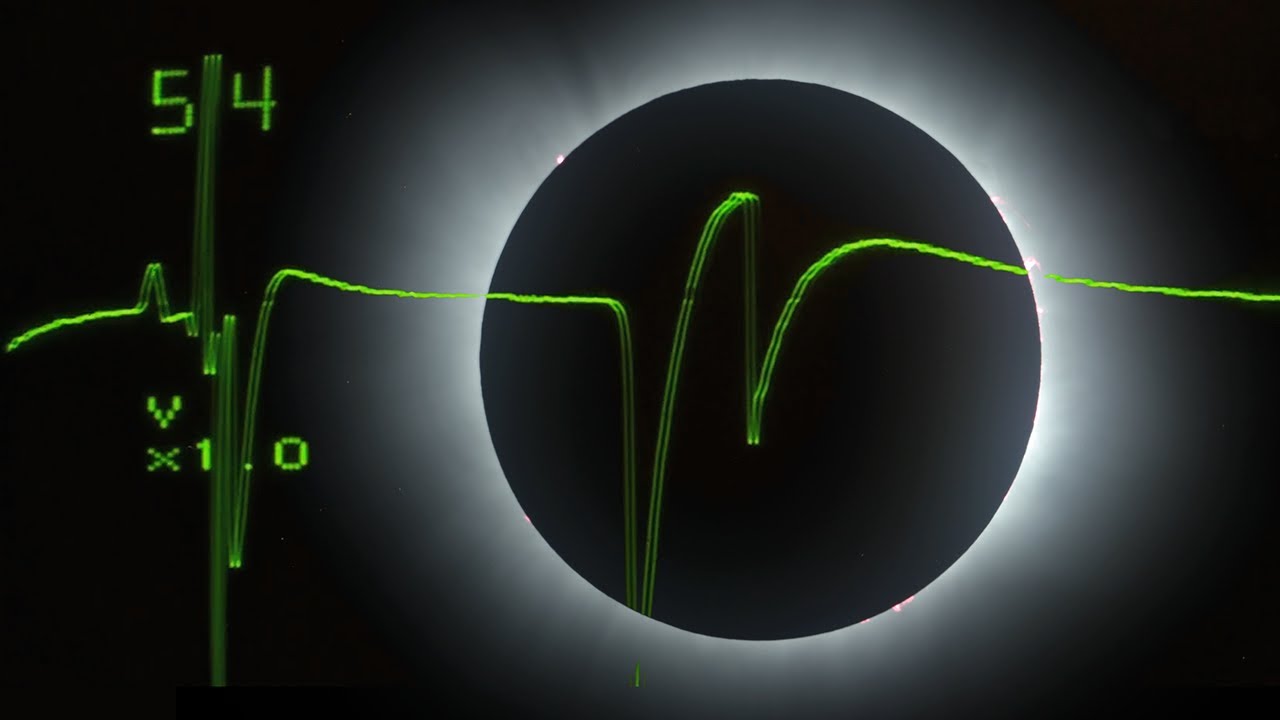
The Sun’s corona supplies a metaphor for the traces people leave behind. A total eclipse makes the corona easier to see. In the analogy Stevens attributes to Douglas Hofstadter, memories, belongings, messages and appearances in other people’s photographs can outlast the person.
-
A name can survive after the person who bore it has died. The episode considers when someone’s name will be spoken for the last time and discusses Kushim, an early recorded name that might instead have been an administrative title.
-
A countdown clock makes the passage of a lifetime visible. Stevens presents the clock as a memento mori. Its countdown estimates time remaining from the user’s answers.