-
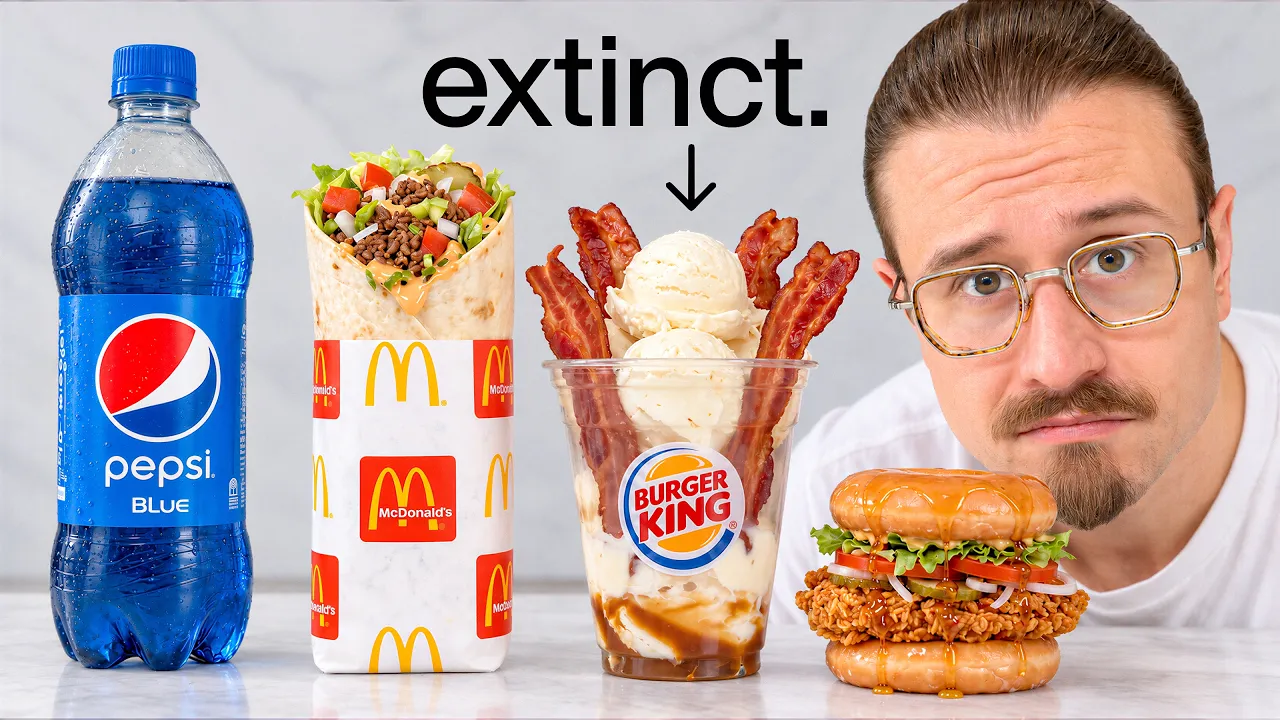
The Choco Taco was the only S-tier item among 17 discontinued or intermittently available fast foods Joshua Weissman tested with former McDonald's corporate chef Mike. Its crisp waffle shell, ice cream, chocolate, and peanuts delivered the most distinctive, satisfying combination, although the shell broke and made it messy to eat.
-
The ratings sometimes measured Weissman's cooking as much as the discontinued products. Burger King's Cini Minis earned a strong A using his own Hokkaido cinnamon-roll recipe, while he acknowledged uncertainty about Costco's original churro method and both tasters questioned whether their Dairy Queen recreation resembled the original nonfat yogurt.
-
Mike argued that McDonald's onion nuggets could lose the company money by taking sales from its more profitable fries. The former corporate chef called this menu cannibalization: a new side can attract orders while reducing earnings if customers buy it instead of a higher-margin staple.
-
McDonald's Arch Deluxe failed to make an upscale adult burger fit a family-focused restaurant, in Mike's account. Launched in 1996 with a stated $200 million advertising push, its Dijon-led positioning did not give parents buying food for their children a compelling reason to pay more, and the recreation earned only C tier.
-
Arby's Ar-B-Q sandwich disappointed on taste and created the kind of preparation mess Mike said employees dislike. Its barbecue sauce overwhelmed the roast beef and earned F tier, while Mike explained that sticky sauces spread across an assembly line, adding an operational cost that customers never see.
-
Costco's food court can justify thin food margins by bringing shoppers back for other purchases. The discussion used an inexpensive hot dog to explain that incentive; its twisted churro, replaced by a chocolate chunk cookie in 2024, earned B tier in a recreation praised for its custardy interior but criticized for limited crispness.
-
Mike promoted Wendy's Bacon Pub Cheeseburger after leaving McDonald's but explicitly did not develop it. He identified bacon fat in the bun as a distinctive ingredient, and both tasters considered the bun the burger's best component, helping it reach B tier despite Weissman's criticism of the unseasoned patty.
-
McDonald's temporarily revived fried apple pie delivered excellent crunch but only B-tier flavor. Tasted from the restaurant rather than recreated, it had a jammy interior and crisp exterior, but both wanted more sweetness and filling, while Weissman also wanted stronger apple flavor and salt.
Joshua Weissman
Explore the collection
-
Rice with soy sauce and pork floss won Joshua Weissman and Dylan's struggle-meal test as the best everyday option. Both rated it S, and its combination of rice and a protein-containing topping ultimately beat cinnamon toast in their final comparison.
-
Ground beef, Vigo yellow rice and frozen broccoli earned an A despite insufficient seasoning. Adding salt and other seasonings was their main proposed improvement, while cooking the frozen broccoli for 20 minutes had left it overcooked.
-
Plain bread filled with Mrs. Butterworth's syrup earned an S without cooking or toasting. The syrup partly soaked into the bread and partly remained gooey, while the bread tempered the sweetness; the reported sandwich contained 240 calories and 4 grams of protein.
-
Buttered cinnamon-sugar toast earned an S for its crisp exterior, soft center and buttery topping. Letting the cinnamon sugar soak into the butter completed the texture, but Weissman estimated roughly 200 to 300 calories per slice when using two tablespoons of butter.
-
Uncooked instant ramen crushed in its bag and mixed with chili seasoning earned an S as a snack. The tasters found it as satisfying as convenience-store chips, although its reported 370 calories came with only 4 grams of protein.
-
A bolillo roll with refried beans, sour cream and queso fresco earned an A, with the bread providing much of its appeal. The crisp crust and fluffy interior worked well, while the underseasoned beans could benefit from butter, garlic and onion.
-
Fried bologna with melted American cheese and mustard earned an A, with untoasted bread keeping the sandwich below S. Cutting the bologna helped it stay flat for searing, and Weissman considered toasting the bread the missing improvement; the reported sandwich contained 450 calories and 17 grams of protein.
-
Canned ravioli mixed with tuna, sugar and jarred garlic earned an F and prompted one taster to spit it out. The tomato sauce intensified the canned fish's fishiness, overwhelming any appeal of its reported 37 grams of protein and just over 500 calories.
-
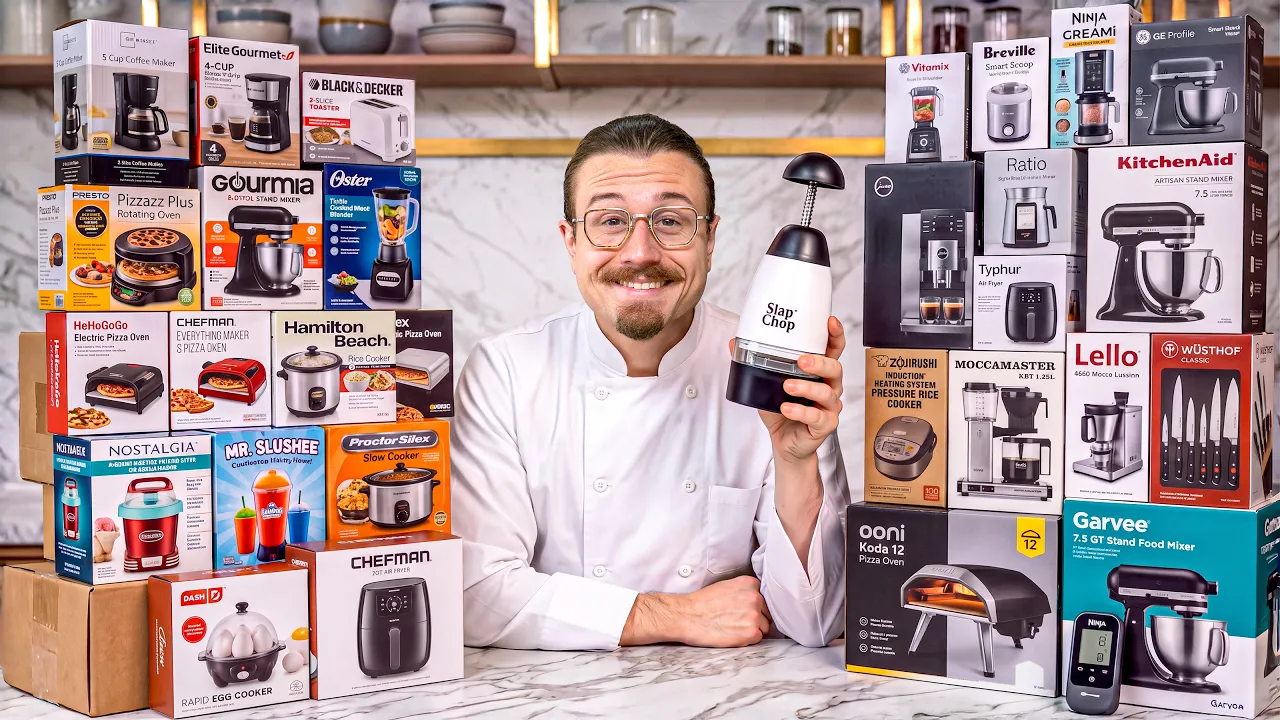
Budget appliances won several blind tastings, including a $13 coffee maker against an $800 Ratio. The $15.99 toaster, $30 air fryer and $23 blender also beat premium rivals costing roughly $347, $400 and $750 respectively, though the Vitamix made smoother salsa and the air-fryer difference was marginal.
-
Better rice justified an upgrade, but Weissman recommended a roughly $150 Zojirushi instead of the $855 flagship he tested. The premium cooker beat a $17 machine whose rice was watery and overcooked, although it took 55 minutes against the cheaper unit's 15-20.
-
The $800 ice-cream maker delivered a substantial texture improvement over the $20 machine. Its smooth, glossy result contrasted with large ice crystals and motor strain in the ice-and-salt model, making the upgrade worthwhile for committed makers; both testers recommended buying a pint if eating ice cream was the only goal.
-
The $500 Ninja slush machine earned its premium mainly through convenience and capacity. It made smoother slush faster without added ice, while the $58 Mr. Slushee required an 11-step ice-and-salt setup and produced roughly two drinks per batch, making frequent use the strongest reason to spend more.
-
The $1,159 microwave failed to justify costing nearly twenty times as much as the $59 model. In equal 30-second tests, water starting around 70 degrees reached approximately 130 versus 110-111, while neither machine's potato program fully cooked its sweet potato and the premium sensor left the middle underdone.
-
The $270 nonstick pan produced a fluffier, more evenly crusted omelette than the $13 pan. Weissman credited better heat distribution and easier control, but said a cheaper pan could achieve similar eggs with more active heat management, making the upgrade a reduction in effort rather than a prerequisite for good cooking.
-
Neither tested pizza oven made a compelling purchase: Weissman recommended a stone in a regular home oven. The $40 unit repeatedly let rising dough hit its heating coil, while the $1,000 oven narrowly won the tasting despite leaving the interior slightly underdone after its approximately three-minute bake.
-
The $200 pepper mill offered practical advantages that Weissman considered worthwhile for frequent cooks. Against a $3 mill, it ground faster with less wrist effort, allowed adjustable coarseness and quick refilling, and collected pepper in a removable basin for seasoning without handling the grinder with food-covered hands.
- Facebook Marketplace allows home cooks to start food businesses without the capital required for restaurants or food trucks. Kevin, a former restaurant worker without investors, serves approximately 10–12 customers daily from his home, taking advance payments and scheduling orders several days ahead to minimize waste and missed pickups.
- A California transplant began selling his grandmother's lasagna after discovering he could not afford a food truck. Eight months into the venture, he sold full pans for $40 and burgers for $12, but Josh found borrowed advertising photographs, questionable holding temperatures, and a burger that appeared substantially undercooked.
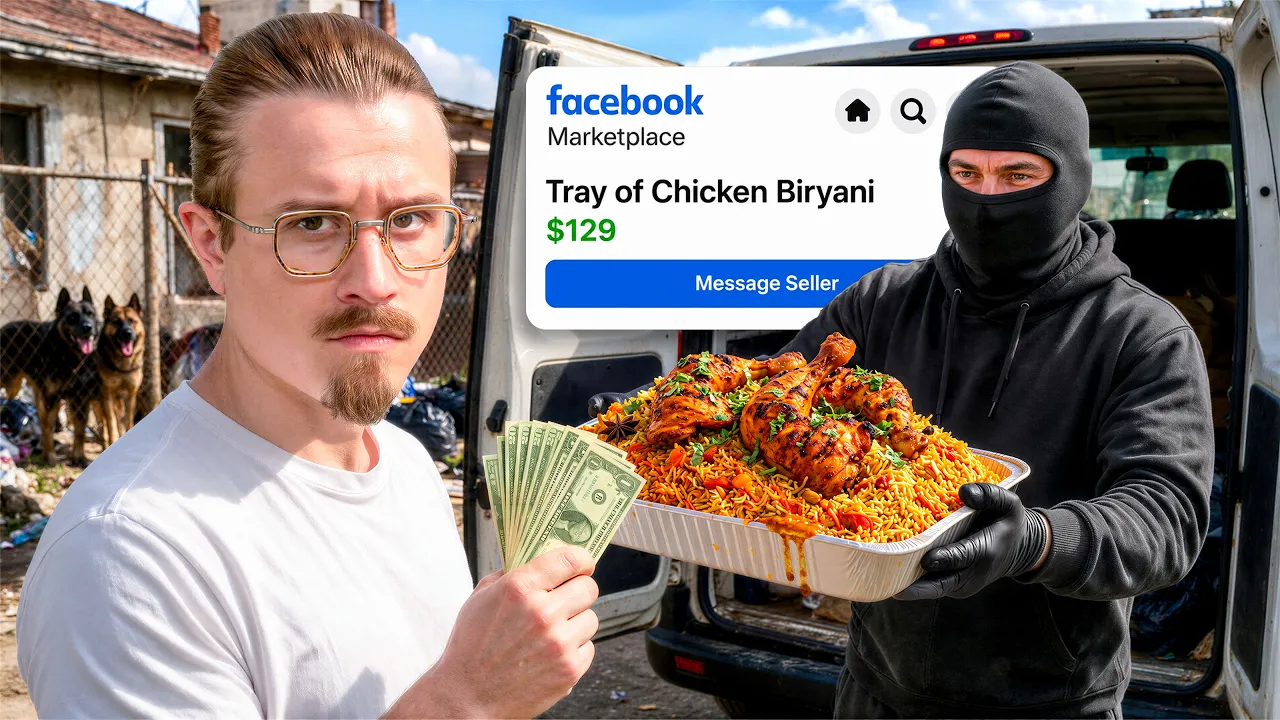
- A Pakistani immigrant turned Marketplace demand into a five-person catering operation. After testing customer interest, he invested in an advertising van and developed a business using a ghost kitchen, employing his wife and three others; four years in, he sells $50 biryani trays that Josh considered among the best he had tasted.
- Jeanette uses her Nigerian food business to reconnect with her mother after leaving home at 15. Having grown up in Saudi Arabia, she now prepares $38 jollof meals with her mother, serving repeat customers while keeping the business flexible enough to enjoy their time together.
- A recently graduated culinary-school student uses Marketplace to support herself as a single mother. She identified a shortage of convenient home-style food in her neighborhood and sells generously portioned $25 meals with professional branding, although her promotional photograph appeared AI-generated.
- The investigation repeatedly found food being served at temperatures associated with bacterial growth. Hot meals measured approximately 112–130°F, while raw seafood aguachile registered 62.8°F; without knowing how long food remained at those temperatures, Josh could not reliably establish its safety through temperature readings or taste.
- Some of the highest-quality food came from unlikely locations despite unreliable advertising. A $50 biryani tray impressed Josh with its quality and quantity, while $15–$20 aguachile from a roadside trailer reminded him of seafood in Sinaloa, Mexico; elsewhere, vendors used borrowed images, AI-generated photographs, or misleading listing prices.
- Josh proposed turning Facebook Marketplace's informal food trade into a dedicated, regulated business category. Sellers currently compete for visibility alongside unrelated secondhand goods, while licensing remains uncertain; a dedicated food section with a licensing pathway could help capable cooks earn income without opening conventional restaurants.
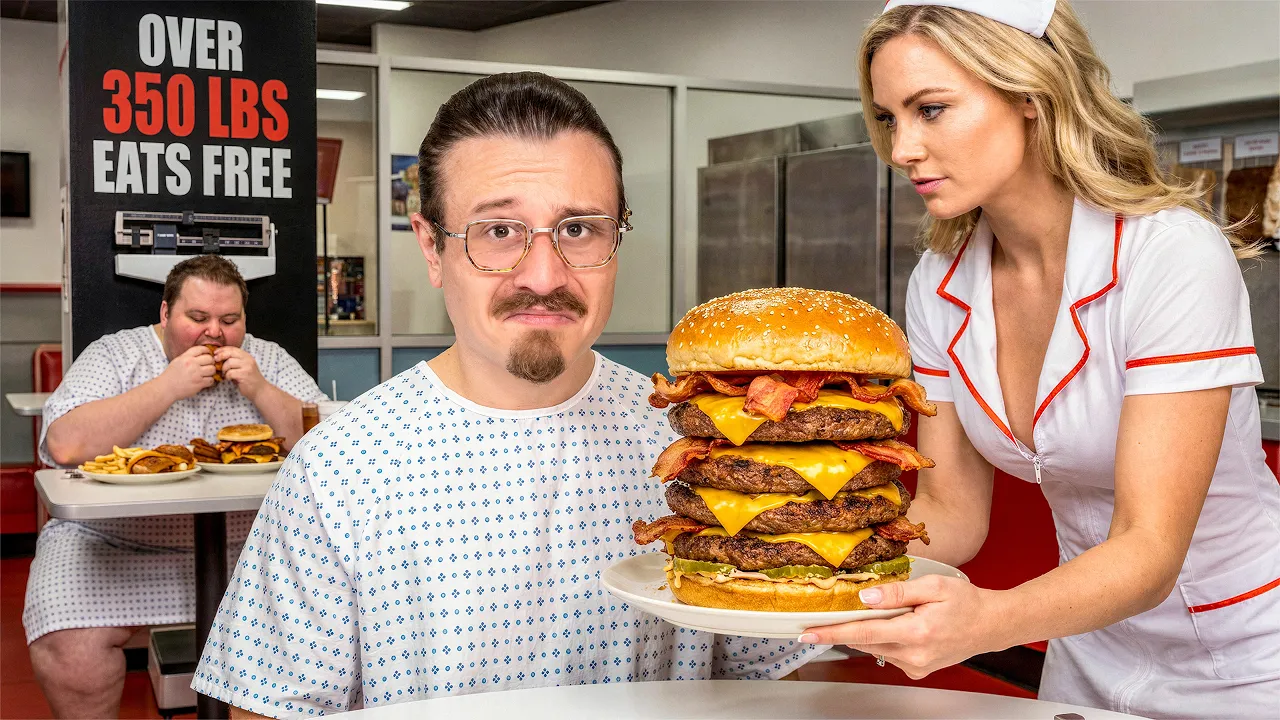
- Three of six fully rated themed restaurants exceeded Joshua Weissman's 15/20 threshold for a subscriber VIP giveaway: Superfrico (17), Casa Bonita (15.9) and Medieval Times (15.5). Food and experience were scored separately out of ten, allowing exceptional entertainment to compensate for mediocre cooking.
- Superfrico in Las Vegas achieved the highest score, earning 8/10 for food and 9/10 for experience. Its Italian-American dining was accompanied by extravagant live performances, while the group's bill reached $505.32 including tips, despite receiving complimentary tableside mozzarella normally priced at $120.
- Casa Bonita was reportedly purchased by South Park's creators, who subsequently invested approximately $40 million in improvements. Its cliff-diving performances, roaming characters and elaborate environment earned 9/10 for experience, while improved but inconsistent Mexican food received 6.9/10.
- Medieval Times delivered the highest-rated entertainment experience at 9.5/10 but received only 6/10 for food. The jousting tournament, horses and theatrical combat impressed Weissman, while unexpectedly excellent roast chicken contrasted with disappointing soup, potatoes and particularly poor desserts.
- Magic Time Machine in San Antonio exceeded culinary expectations but narrowly missed the giveaway threshold with 14.5/20. Its costumed characters and immersive performances earned 8/10 for experience, while a surprisingly good New York strip steak helped offset weak appetizers and secure 6.5/10 for food.
- Rainforest Cafe survived Weissman's scrutiny as a nostalgic attraction rather than a worthwhile dining destination. Its animatronic jungle and familiar childhood atmosphere earned 7.5/10 for experience, but underseasoned dishes, overcooked food and a disappointing Volcano dessert left its food score at just 4/10.
- Dick's Last Resort earned 11.5/20 by making deliberate customer humiliation its principal attraction. Staff insults, offensive personalized hats and karaoke earned 6.5/10 for experience, while competent carnival-style food contrasted with poor conventional dishes, producing 5/10 for food; Weissman advised against bringing children.
- Subscriber visits largely confirmed the appeal of the winning restaurants, but Casa Bonita's giveaway remained unfulfilled because it was fully booked. Medieval Times subscribers awarded 7.5/10 for food and 10/10 for experience, while Superfrico visitors gave 8/10 and 9/10; Weissman announced another subscriber selection for Casa Bonita.
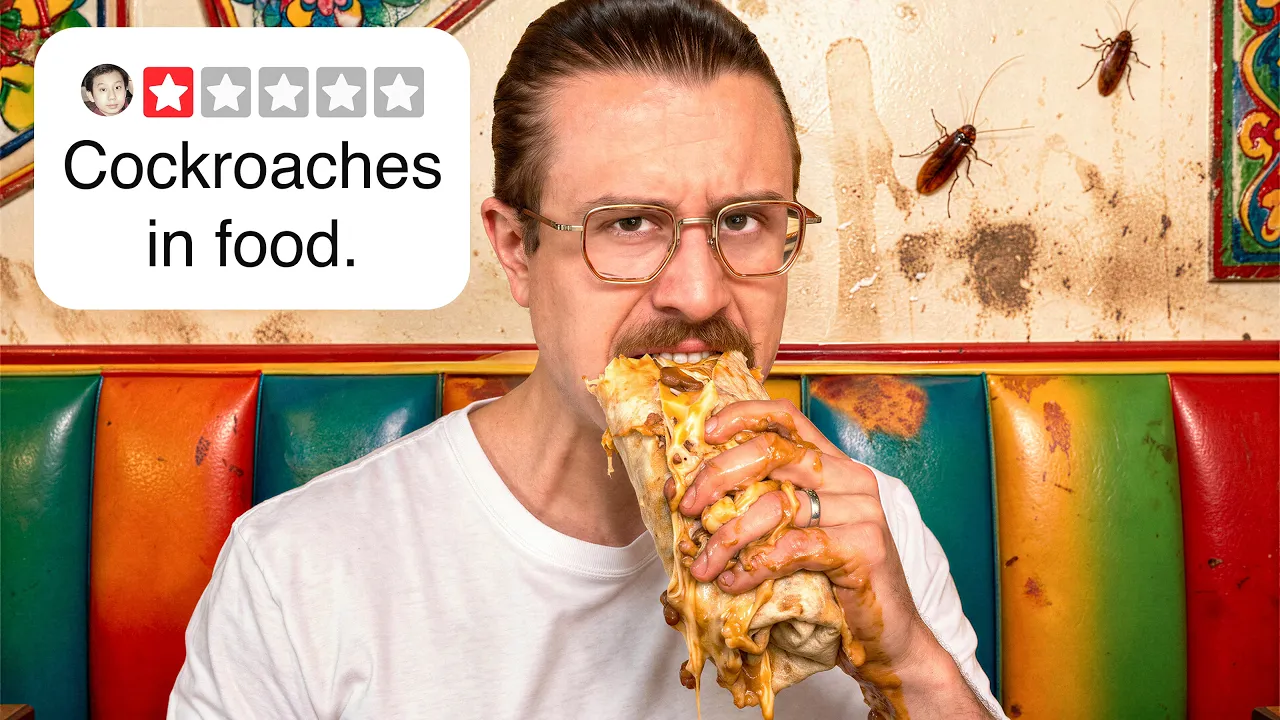
- Joshua Weissman tested one-star reviews at eight American fast-food restaurants and rated every restaurant higher than one star. El Zarape, El Pollo Rico, Torchy's Tacos and Hat Creek earned four stars; Astro Burger, Crown Burgers and El Huero earned three; Dan's Hamburgers received two.
- Three restaurants faced allegations of dangerous objects in food that Weissman could not reproduce. Reviewers reported a screw in an El Zarape taco, a staple in El Pollo Rico nachos and a toothpick in an El Huero taco, but his fresh orders contained none of them.
- An El Zarape review raised a particular question about the authenticity of its photographic evidence. A customer who purchased two pounds of barbacoa with tortillas supplied separately photographed a fully assembled taco containing a screw, leading Weissman to suspect possible staging without establishing proof.
- Dan's Hamburgers was the only restaurant Weissman rated as low as two stars. A customer of more than 30 years complained about declining quality, and Weissman confirmed cold, soggy buns and virtually unsalted fries and onion rings, although the beef and root beer were good.
- El Pollo Rico received four stars despite a customer's allegation of vomiting and diarrhea after eating there. Weissman praised the grilled chicken, rice and green salsa that the reviewer had partly criticized, although a favorable tasting could not disprove the earlier illness.
- Torchy's Tacos prepared a large order in six minutes, contradicting a review complaining about a 14-minute wait for one taco. Weissman nevertheless encountered flies and found the breakfast taco bland, while praising the other tacos enough to award four stars.
- Astro Burger's owner defended rising prices and said its burgers were normally cooked medium-well unless customers requested otherwise. Weissman received an undersalted, well-done burger instead, but found the fish sandwich fresh and crisp despite a customer's complaint about spoiled fish; he awarded three stars.
- Hat Creek earned four stars despite complaints about unmelted cheese, bland burgers and easily offended employees. Weissman deliberately staged a loud telephone conversation at the drive-through without upsetting staff, then received a juicy, well-seasoned cheeseburger with melted cheese, crisp fries and a good milkshake.
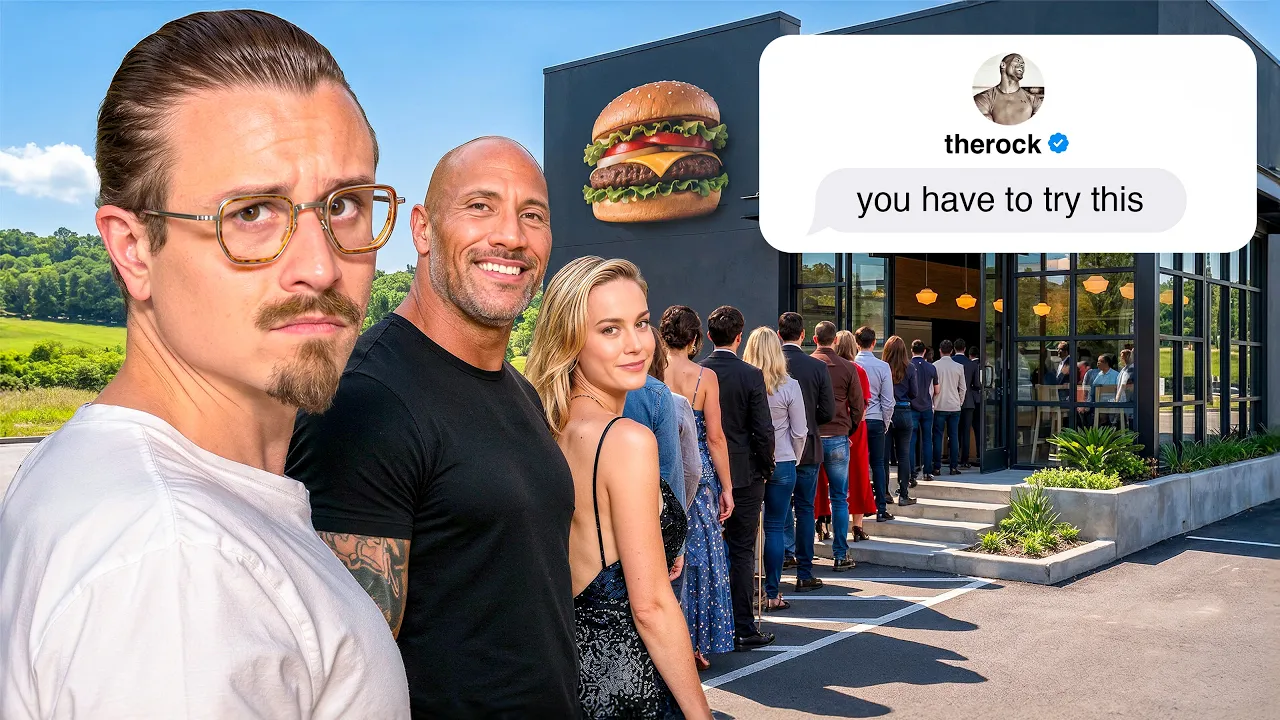
- Chef Andrew Zimmern won Josh's celebrity food competition with 18/20, narrowly beating Tom Segura. Zimmern insisted Josh visit Minnesota, where an elaborate Dirty French burger and a five-spice Dungeness crab at a Chinese restaurant each earned 9/10.
- Tom Segura finished second with 17.9/20, partly thanks to a bakery he personally helped establish. Cicio Bomba in Austin earned 9/10 for its exceptional Italian pastries, while Jeffrey's steakhouse received 8.9/10 despite slightly underseasoned steaks.
- Phil Rosenthal earned 17.5/20 with two Los Angeles establishments, including his own diner. République scored 8.5/10, particularly for its chocolate cake, while Max & Helen's, developed with chef Nancy Silverton, earned 9/10 for its dry-aged beef patty melt and chocolate egg cream.
- Dwayne Johnson's favorite French toast impressed Josh more consistently than his preferred luxury steakhouse. Brique French Toastery earned 9/10 for its thick brioche and peanut butter–coconut syrup; Mastro's scored 8/10 after an excellent 32-ounce ribeye redeemed excessively salty bread and seafood preparation mistakes.
- UFC champion Alexander Volkanovski earned 14.5/20 by recommending two relatively straightforward New York dishes. Rosario's sausage-and-pepperoni pizza scored 7/10 because of its soft crust, while Peter Luger's dry-aged beef burger earned 7.5/10; Josh recommended visiting the famous steakhouse for steak instead.
- Brie Larson's Casa Bonita recommendation was far better as entertainment than as food. The Mexican-themed restaurant's cliff divers and immersive setting earned 10/10 for experience, but its enchiladas scored 6.9/10; her other recommendation, the Dodger Dog, earned 6/10.
- Ice Cube's Los Angeles favorites produced the competition's most disappointing reviews. Josh found his supposed Fatburger order dominated by chili and virtually devoid of beef flavor, while El Cholo's longstanding chicken chimichanga earned just 4/10 despite the restaurant's century-long history.
- The competition contained a leaderboard calculation error involving Dwayne Johnson. Josh announced Johnson tied Phil Rosenthal at 17.5/20, although Johnson's stated restaurant ratings of 9 and 8 add up to 17, leaving Segura's 17.9 and Zimmern's winning 18 unaffected.
- Most viral restaurants tested were genuinely good, despite concerns about paid influencer promotion. Across New York, Austin, and Los Angeles, the host awarded more S and A ratings than expected, although several famous establishments failed to justify their popularity.
- A $68 pizza at Ceres earned an S rating, while Daybird's $80 caviar fish sandwich received a C. Ceres, run by Michelin-starred chefs, delivered exceptional flavor and texture, whereas Daybird's fish was underseasoned and its expensive caviar added virtually nothing.
- Bradley Cooper's Danny and Coops cheesesteak lost to Los Angeles competitor Matú. Cooper's restaurant, developed with Philadelphia's acclaimed Angelo's Pizzeria, received an A, while Matú earned an S for its Wagyu beef, superior bread, and precisely balanced seasoning.
- Taco El Grandpa produced one of Austin's best tacos using a traditional cooking process developed over decades. The father-and-son operation cooked eight to ten lambs per pit, wrapped in maguey leaves, drawing on approximately 45 years of barbacoa-making experience.
- Franklin Barbecue maintained its exceptional reputation years after becoming famous for queues beginning at 4 a.m. Its S-rated brisket demonstrated how simple ingredients—beef, salt, and pepper—combined with painstaking smoking techniques could outperform more elaborate preparations.
- A Los Angeles bagel shop convinced the host that New York no longer necessarily makes America's best bagels. Despite growing up visiting New York bagel shops with his father, he rated the Los Angeles version superior for its crackling exterior, airy interior, and exceptional chew.
- Golden Diner earned an S rating for pancakes cooked using an unusual technique. They were cooked primarily on one side, finished in an oven, and inverted, producing a result the initially skeptical host considered worth waiting an hour to experience.
- The host acknowledged personal relationships when judging influential restaurants and reviewers. He excluded friends Salt Hank and Miya Mia Shawarma from formal rankings, while Los Angeles reviewer How Kev Eats denied accepting payment for reviews and still faced unfavorable verdicts on some recommendations.
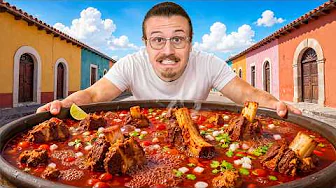
- Don Chuy in Los Mochis, Sinaloa, won the search for Mexico's best street-food bite with a score of 9.6/10. The approximately 70-year-old establishment serves just one taco, combining beans, slow-cooked beef head, and crispy pork chicharrón, and maintains its reputation despite its founder no longer working there.
- Los Mochis emerged as an overlooked food destination capable of competing with Mexico City and Oaxaca. The host visited after a local named Luis recommended his hometown and concluded that its exceptional food deserved far more international recognition.
- Chef Irasema's family-run Mexico City taco stand earned 9.5/10 using charcoal rather than gas. Founded by her mother in 1991, the business survived her death during the COVID pandemic, with Irasema and her daughter continuing an operation whose charcoal preparation alone requires 30–60 minutes.
- Oaxaca's Tacos del Carmen came within 0.1 points of winning, scoring 9.5/10. Its charcoal-cooked pork was deliberately dehydrated to concentrate flavor and then re-moistened, creating a deeply flavored, tender filling inside a lightly crispy rolled tortilla.
- A Yucatán-style cochinita pibil panucho in Mexico City unexpectedly scored 9.5/10, outperforming several more celebrated dishes. Its bean-filled fried tortilla, exceptionally moist pork, pickled onions, and precise seasoning convinced the host that restaurant reputation should not influence his ratings.
- Mariscos Del Chichi in Sinaloa demonstrated how exceptional seafood can depend more on freshness than complicated preparation. Luis described it as among Mexico's finest seafood establishments, praising its made-to-order cooking and minimal sauces; the host gave its crab 8.0/10 despite considering the seafood remarkably fresh.
- Olga's Sunday-only sheep barbacoa in Oaxaca received 9.0/10 for its unusual depth of flavor. The sheep was cooked with avocado leaves and served with rich red broth, while diners adjusted the seasoning themselves; the vendors even improvised a table when the visitors couldn't find seating.
- Los Tacos Charly in Mexico City demonstrated how salsa could raise an already excellent suadero taco from 9.0 to 9.4/10. The beef required hours of cooking followed by frying to balance tender, chewy, and fatty textures, but the host found that additional seasoning completed the dish.
- Flippy, a restaurant cooking robot already in commercial use, successfully handled a rush of overlapping food orders. It cooked waffle fries, chicken tenders, mozzarella sticks, and regular fries correctly in all four tests, producing crispy food with little excess oil, although human seasoning was still needed.
- The $1,700 Thermomix produced one of the best meals in the entire experiment. Its touchscreen guided preparation of lemon-rosemary chicken and rice, automatically weighed ingredients, heated and steamed food, and offered self-cleaning; the testers praised the perfectly cooked rice and sauce, and considered the machine worth buying despite its price.
- A $6,000 AI grill cooked a two-inch ribeye to medium-rare in under 15 minutes. Its automated clamping, temperature probe, and intense heating produced an excellent crust and smoky flavor, although the steak developed a thick gray ring and the required stand cost another $2,000.
- A $219 vacuum marinator produced chicken that was difficult to distinguish from chicken marinated overnight. In a blind tasting, the testers correctly identified the overnight preparation but found only a small flavor difference, making the machine's approximately 15-minute process a useful alternative when time is limited.
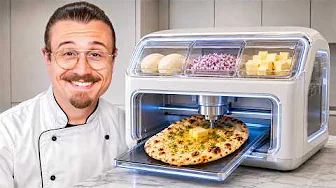
- A $700 roti machine automatically prepared five flatbreads in approximately 15–18 minutes. It mixed, formed, pressed, and cooked the dough without manual kneading or rolling, producing acceptable flatbreads resembling flour tortillas; the testers considered it genuinely useful but believed a $50–$100 version would have much broader appeal.
- The Nosh automated meal maker failed to produce good pasta even when the testers followed its programmed recipe. Its Cajun chicken pasta contained 11 garlic cloves for two servings and emerged with overcooked chicken, overcooked noodles, and watery sauce, tasting more like a prepared frozen meal than freshly cooked food.
- A $400 smart toaster offered little meaningful improvement over a $20 Amazon toaster. Its touchscreen, bread-specific programs, and progress indicator produced more evenly browned toast approximately 15 seconds faster, but its level-four setting delivered something closer to level three, making the twentyfold price difference difficult to justify.
- A $400 automated stir-fryer produced fried rice that tasted almost identical to a manually cooked version. Although it struggled to incorporate the egg and needed occasional assistance, the testers changed their initial negative verdict because it eliminated manual stirring and heat management and could operate without a conventional cooktop.
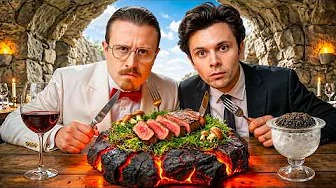
- Joshua Weissman tested North America's five highest-ranked restaurants across more than 100 courses and concluded that their exact rankings mattered little. Each offered a fundamentally different experience, and he believed any could deserve first place depending on the diner, the occasion, and the restaurant's performance that night.
- Montreal's Mon Lapin, ranked second, delivered Weissman's favorite cooking of the first four restaurants despite having no Michelin stars. The casual, reasonably priced neighborhood wine bar outperformed more elaborate establishments through exceptional ingredients, straightforward preparation, and dishes including raw Nova Scotia shrimp, scallop toast, and celery root.
- Chicago's three-Michelin-star Smyth served experimental dishes developed during dinner service. Its kitchen adjusted a translucent ravioli just before serving and introduced a new walnut-and-caviar preparation that both diners considered the best caviar dish they had ever eaten.
- Christopher Zucchero, whose Mr. Beef restaurant inspired The Bear, reversed his longstanding skepticism about fine dining after eating at Smyth. Initially uncomfortable with expensive tasting menus and unfamiliar seafood, he finished completely full, praised the meal's value, and apologized for years of criticizing restaurants like it.
- Third-ranked Pearl Morissette, operating from a remote Canadian farm, produced Weissman's favorite lobster dish of the first three restaurants. Yet a slowly cooked celery root that had been frozen and thawed initially surpassed even the lobster, demonstrating how exceptional technique could elevate an inexpensive vegetable above luxury seafood.
- Fifth-ranked Tanière delivered a two-Michelin-star experience inside interconnected underground chambers in Quebec. Its butter-poached scallops with caviar, cheese-and-morel preparation rated 10/10, and unexpected maple crème brûlée with caviar convinced Weissman that the lowest-ranked restaurant could plausibly compete for first place.
- New York's first-ranked Atomix distinguished itself by using fine dining to tell the story of Korean cuisine. Its gochujang-glazed lobster with kimchi rice, extraordinarily precise seafood preparations, personalized service, and carefully choreographed kitchen impressed Weissman and restaurateur Christian Petroni.
- The strongest meals repeatedly made familiar or unpopular ingredients more desirable than expensive delicacies. Mon Lapin's leeks and buckwheat cake, Pearl Morissette's celery root, Smyth's foie-gras rice pudding, and Tanière's cheese dish demonstrated that ingredient quality, technique, and enjoyment mattered more than luxury or elaborate presentation.
- The guests generally considered the elaborate meals worthwhile, although comparable bills were never disclosed. Zucchero discovered that tasting menus could be genuinely filling, while bodybuilder Will Tennyson concluded that Pearl Morissette justified its experience through memorable dishes and stories he would continue sharing long afterward.
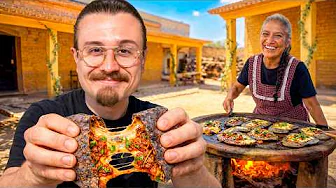
- A home cook in Oaxaca rivaled Mexico's most celebrated fine-dining restaurants. Tía Elvia prepared breakfast over a wood fire using a stone comal, serving exceptional handmade tortillas, mole, and fried ribs in tomato salsa; Joshua rated the ribs 10/10 and ultimately preferred her mole to Quintonil's.
- Burritos Beli in Los Mochis served what Joshua considered possibly the best burrito of his life. Its exceptionally thin, buttery flour tortillas were rolled and cooked individually, then filled with preparations such as chicharrón and barbacoa, without the rice, cheese, or unnecessary ingredients common in American burritos.
- An offshore seafood restaurant in Sinaloa served Joshua the best oysters he had ever eaten. Reached by boat, La Casita del Ostion offered freshly shucked oysters, lime-marinated ceviche, shrimp cooked in seawater, and grilled whole fish, demonstrating how exceptional seafood can depend on freshness and restrained preparation.
- Sinaloa's aguachile surpassed versions Joshua had eaten at Michelin-starred restaurants. Both green and red preparations impressed him, while El Farallon's raw seafood with burnt habanero demonstrated the region's innovation; he concluded that Los Mochis was producing extraordinary food despite receiving relatively little international attention.
- El Sella demonstrated why Mexico City's traditional cantinas deserve greater attention. The restaurant served braised pork shank and chorizo a la sidra, with Joshua particularly praising the sausage; its familiar waiters, informal atmosphere, and emphasis on conversation offered an alternative to prestigious restaurants.
- Gaba demonstrated how Mexico City's younger chefs are transforming familiar Mexican dishes without sacrificing flavor. Its aged, cured beef tartare received approximately 9.8–10/10, its tripe impressed a previously reluctant Joshua, and its grilled pork chop with brûléed pineapple reimagined the traditional al pastor taco.
- Quintonil, introduced as Mexico's top restaurant and the world's third-ranked, did not decisively outperform traditional cooking. Its menu combined Baja tuna, caviar, escamoles, Asian-influenced tlayuda, tamales, mole, and a 10/10 corn dessert, yet Joshua still favored Tía Elvia's homemade mole.
- The search ended without a single winner because exceptional Mexican food appeared at every price and prestige level. Joshua placed Los Mochis' burritos and seafood, Gaba, traditional cantinas, and Tía Elvia's breakfast among his highlights, concluding that ingredient quality, technique, and care mattered more than restaurant status.
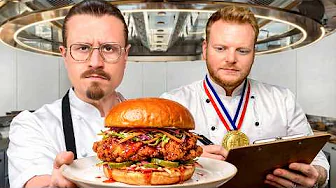
- Chef Josh traveled to Copenhagen to cook for Rasmus, introduced as the world's best chef, after experiencing Alchemist's seven-hour, 50-course dinner. The restaurant combines multiple dining rooms, 360-degree projections, an in-house visual-effects team, and a giant Trello board tracking dishes and guests' dietary preferences.
- Alchemist's most unusual dishes were designed to shock diners without sacrificing flavor. The menu included an edible eyeball filled with king crab and caviar, insects presented as windshield splatter, spinach stripped of its green color, and a heart-shaped dessert containing fermented deer blood.
- Josh identified fermentation, concentrated flavors, and Asian influences as recurring features of Rasmus's cooking. Thai basil, green curry, Korean seasonings, Japanese techniques, and contrasting textures appeared throughout the meal, convincing Josh that intense, familiar flavors mattered as much as elaborate presentation.
- Josh challenged himself to reproduce three Alchemist dishes before presenting his own creation to Rasmus. He successfully prepared Tongue Kiss, a precisely cut beef tartare seasoned with deer stock, mustard, salt, and pepper, earning praise for his seasoning and sauce placement.
- Josh nearly failed the Burnout Chicken challenge after tearing its delicate skin during preparation. He succeeded on a second attempt, but Rasmus criticized the excessive glaze and insufficient crispness before passing the dish for its strong flavor.
- Josh successfully assembled Alchemist's extraordinarily fragile Perfect Omelette on his first attempt, receiving 9 out of 10 during preparation. The technique involves freezing and draining egg yolks into hollow skins, then carefully filling them with aged Comté espuma without bursting them or trapping air.
- Josh chose a fried chicken sandwich instead of an elaborate fine-dining dish, betting that Rasmus would appreciate familiar food executed exceptionally well. His recipe combined a brioche bun, Japanese katsu-style breading, fish-sauce and gochujang glaze, pickles, and smoky mayonnaise made from slowly caramelized green onions.
- Rasmus rated Josh's chicken sandwich 9 out of 10 and described it as probably the best chicken sandwich he had eaten. He praised its layered spices and chili paste, said he wanted to finish it after filming, and suggested Josh open a chicken shop because the sandwich would sell.

- Cooking a whole chicken beneath a metal bucket worked, but the meat was still partly raw after 45 minutes. The breast was tender and juicy, while lower sections remained undercooked; Josh and Coyote Peterson nevertheless approved the method, suggesting another 10 minutes or finishing individual pieces over the coals.
- Doritos successfully started a fire, while their reflective packaging offered additional survival uses. Coyote demonstrated that the chips burn readily and suggested using the bag's silver interior to signal aircraft, carry water, or protect an injured hand, although those additional uses were not tested.
- A homemade stove constructed from a soup can proved more dangerous than useful. Cutting the can risked serious hand injuries, while the burning fuel generated thick smoke, unpleasant smells, and excessive flames; both participants rejected the method despite its ability to produce cooking heat.
- Heating water inside a paper cup partially worked, but the resulting water was considered unsafe to drink. The water became hot while exposed sections of the cup burned, but it also changed color, raising concerns about chemicals entering the water; boiling and purification were not established.
- A disposable aluminum tray, wire rack, and hot coals successfully replaced a conventional barbecue grill. The setup produced juicy, well-browned cheeseburgers, although dripping fat caused flare-ups and both participants questioned how realistic it was to possess those supplies during an actual survival emergency.
- A fire-heated rock successfully cooked a piece of meat without a pan or grill. The meat remained comparatively gray rather than developing a strong browned crust, but both participants enjoyed its flavor and juiciness and approved the method without reporting an internal temperature measurement.
- Bread baked directly over a campfire was successful after approximately 20–30 minutes. Flour, water, salt, and baking powder were kneaded inside a plastic bag, wrapped around a stick, and roasted until soft; Coyote considered it a useful camping technique rather than a realistic emergency-survival solution.
- A sock successfully extracted juice from prickly pear fruit while retaining the troublesome spiny material. Coyote considered this particularly practical because stranded people would likely already have socks, although the demonstration used store-bought fruit and did not establish that the sock was hygienic.
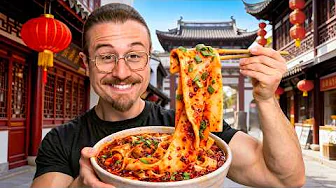
- Xi’an’s street food delivered exceptional quality at remarkably low prices, including an eggplant-stuffed bao costing just 2 RMB. Despite preferring meat, the host ranked the rich, juicy, perfectly seasoned vegetarian bao among the best he had eaten, while substantial pork-and-egg breakfast sandwiches cost less than $1.
- Xi’an’s Biang Biang noodles were among the host’s favorite dishes of the entire journey. He sampled handmade, exceptionally wide noodles with braised pork and a tomato-and-egg variation, discovering that tomato acidity balanced chili oil; he also claimed shops required an official seal demonstrating their credibility.
- A complete chili-oil roast-duck meal in Chengdu cost just $7.25 and could feed three to five people. Served with vegetables, tofu skin, jelly noodles, and Sichuan seasonings, it impressed the host more than traditional Peking duck and became one of his favorite meals in China.
- Chengdu's traditional Tian Shui Mian noodles were described as a disappearing culinary craft. The thick, handmade noodles combined sweetness, saltiness, umami, heat, and bitterness without meat; the guide said the establishment was Michelin-listed and among the few places still preparing them traditionally.
- Shanghai's elaborate jianbing breakfast cost just 22 RMB, approximately $3. Filled with sausage, fried chicken, egg, crispy dough, fermented bean sauce, and chili, it remained surprisingly light and balanced; local food writer Rachel encouraged the host to recreate it, but he admitted he lacked confidence.
- Shanghai's cai fan demonstrated how inexpensive ingredients and precise cooking could produce exceptional food. Rice cooked with lard, cured pork, mushrooms, and leafy vegetables retained individually distinct grains and flavors, unlike mixed-rice dishes where everything blends together; the host considered it among his most unusual rice experiences.
- Chongqing's $2 customized fried rice showcased impressive wok cooking and the value of twice-cooked pork. Temporarily separated from guide Ryan and unable to communicate clearly, the host selected his ingredients and watched the vendor cook them; unevenly sliced pork created contrasting crispy and juicy bites.
- The host estimated spending only around $100 while discovering some of the best food of his life across four Chinese cities. Xi’an, Chengdu, Shanghai, and Chongqing offered distinctly different specialties, with inexpensive street vendors producing meals he considered comparable to or better than expensive restaurant food.
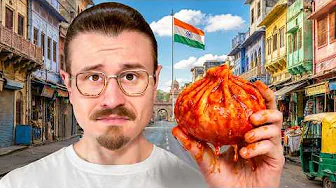
- India's Jolochip delivered extreme heat but little enjoyment. Weissman rated the Indian version of the One Chip Challenge 8/10 for spiciness and only 3/10 for flavor, demonstrating that making a snack painfully hot does not necessarily make it good.
- Chengdu's unfried Sichuan spring rolls became one of Weissman's favorite discoveries. Their soft wrappers, crunchy vegetables, chili oil, and vinegar earned 9/10 overall, beating every fried spring roll he had previously eaten despite their intense heat.
- A Sichuan restaurant required customers to sign a liability waiver before serving its maximum-spice noodles. Weissman rated the level-five preparation approximately 8/10 for heat, but another participant abandoned the dish and described its intensity as 12/10.
- Thailand's Miang Kham earned 9/10 for enjoyment with only 3/10 heat. The betel-leaf snack combined chilies, peanuts, coconut, lime, ginger, shallots, and sweet paste, allowing sweetness and acidity to repeatedly counteract the chili burn without suppressing its fragrance.
- Mark Wiens introduced Weissman to an exceptionally spicy Thai papaya salad that remained enjoyable despite its enormous chili content. The som tam contained fresh and dried chilies, lime, tamarind, and fermented fish sauce, earning 9/10 overall even as its heat continued intensifying after eating.
- A Korean street vendor's Spicy Bomb chicken skewers proved considerably hotter than a supposedly extreme convenience-store ramen. Weissman estimated the skewers were three times hotter, while the ramen received just 5/10 for heat, undermining its reputation as an exceptionally spicy product.
- Aguachile prepared at Mexico City's Propio restaurant received the trip's highest flavor rating: 10/10. The shrimp, lime, and chiltepin preparation registered only 3.5–4/10 for heat, while serving it with tostadas and mayonnaise created an especially rich, balanced combination.
- Chef Alejandro's homemade salsa macha delivered the trip's strongest combination of serious heat and exceptional flavor. Introduced by Gabby Renteria as her final challenge, it earned 7/10 for heat and 9.8/10 for flavor, finally overwhelming Weissman without sacrificing the pleasure of eating it.
- Pioneer Chicken shrank from approximately 300 locations to just two despite serving some of the best fried chicken the host had tasted. The decline was attributed to mismanagement and bankruptcy, while its $15 meal delivered exceptional chicken, fries, and service that the host rated above KFC and even Willie Mae's.
- Kewpee, founded in 1923, reportedly helped inspire Wendy's but has declined from 400 restaurants to three. Wendy's founder ate there growing up, yet the host found its hamburger bland and poorly browned despite a five-minute service time, $10.50 meal, excellent fries, and customers queuing around the block.
- Jim Dandy fell from 30 fried-chicken locations to one, although its surviving restaurant substantially outperformed KFC. For approximately $15, the host received four pieces of freshly fried, exceptionally seasoned chicken, fries, and two fritters that he considered better than doughnuts sold at expensive Los Angeles cafés.
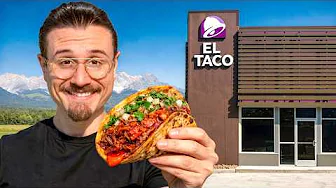
- Glen Bell founded El Taco before leaving to build Taco Bell, and the last surviving El Taco offered a glimpse of the chain's origins. Its bean burrito and crunchy taco were disappointingly bland, but its cinnamon dessert was so much better that the host argued Taco Bell should recreate it.
- Storm Burger, an unplanned Los Angeles stop recommended by comedian Noel Miller, produced a hamburger the tasters considered better than In-N-Out. Its properly seared beef, toasted bun, and flavorful sauce impressed them, while its exceptionally crisp, well-seasoned fries earned an informal 9.5/10 rating.
- El Tacorrido decisively beat Taco Bell on food quality while delivering orders in four minutes. The host, who previously ate there before morning restaurant shifts, praised its juicy chicken tacos and quesadilla and believed the small Austin chain could expand nationally, provided it maintained its standards.
- Top Notch's genuine charcoal-grilled hamburger outperformed Burger King, but its $14 seafood platter was the stronger reason to return. The Austin restaurant served flavorful but cold hamburgers, outstanding fries, and well-seasoned fried fish, with a $30.06 order taking approximately 12 minutes to complete.
- Buddy's demonstrated how an aspiring fast-food chain can fail on its core product despite having outstanding fries. Its two burger meals cost $30.04, the drive-through took 30 minutes with only three cars ahead, and the hamburger patties were dry and inconsistently seasoned, leaving the host unconvinced it could challenge Shake Shack.
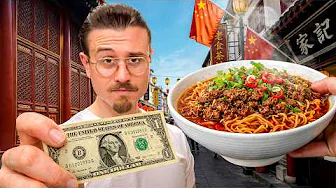
- A dollar bought three vada pav sandwiches in Mumbai and a filling sticky-rice breakfast in Hanoi, but the team could not find American food for $1 in New York City. Japan was similarly difficult, with many street-food options exceeding $2 and the affordable selections often limited to individual snacks.
- Bangkok's Trok Mor Market offered an entire fresh coconut for $1, including its flesh, which the vendor extracted afterward. The host also discovered crispy fritters made from whole baby shrimp, served with sweet-chili sauce, and considered them exceptional enough to justify another trip to Thailand.
- Seoul's Mangwon Market sold two fish-cake skewers with broth for $1, while a glutinous-rice doughnut substantially outperformed its wheat counterpart. Local guide Kim associated the fish cakes with childhood visits to bathhouses, while an iced Americano he remembered costing $1 had risen above that price.
- Hanoi offered an 80-cent bánh mì containing candied-sweet beef jerky, fried potato, and fermented pork, alongside charcoal-grilled pork skewers costing 40 cents each. Sonny from Best Ever Food Review Show explained that sugar commonly seasons Vietnamese meats, contributing sweetness, caramelization, and smoky char.
- A Malaysian vendor displaying Michelin Bib Gourmand recognition sold coconut-milk and rice-flour pancakes for less than $1. Guide Jarvis also introduced putu mayong, a pandan-flavored rice-flour noodle dessert from Malaysia's Indian community, whose hand-pressing technique proved unexpectedly difficult for the host to reproduce.
- Mexico City's inexpensive tacos were generously filled, including al pastor at 16 pesos each and suadero from La Rosa de Oro, established in 1957. Food guides Gaby and Yorch helped locate these vendors, with the latter restaurant serving rich beef tacos and exceptionally spicy salsa in an old working-class neighborhood.
- A Chengdu buffet offered unlimited food for $2, reduced to just $1 for children younger than four and adults older than 85. The unusual age-based pricing meant qualifying customers could obtain an entire all-you-can-eat meal within the challenge's budget.
- Some of the host's favorite Chinese dishes came from a security guard cooking outside an ordinary Chengdu apartment complex rather than a restaurant. His dumplings, Sichuan-peppercorn chaoshou, and beef noodles illustrated the unexpected discoveries that made the exhausting worldwide journey memorable, alongside the hospitality of people the team had never met.
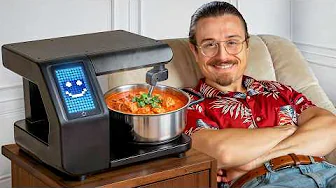
- Joshua Weissman's $1,700 Posha cooking robot lost a blind butter-chicken taste test against his homemade version, four votes to one. Despite offering 1,000 programmed recipes and producing surprisingly similar food, it still required shopping, ingredient preparation, loading, and cleaning, saving mainly the effort of stirring and monitoring.
- An air fryer produced restaurant-quality salmon in ten minutes, changing Weissman's previously negative opinion of the appliance. The fish developed attractive coloring and remained exceptionally tender and juicy, achieving results that would require considerably more skill with a conventional frying pan.
- A rice cooker was among the strongest recommendations despite requiring 30–40 minutes to cook rice. Weissman said even inexpensive models consistently produced excellent rice without supervision, eliminating guesswork rather than necessarily saving time.
- The Bacon Wizard produced inferior microwave bacon despite promising crispier, less greasy results. It cooked eight strips in eight minutes, while pan-fried bacon took approximately ten minutes but tasted considerably better; oven cooking could accommodate roughly twice as many strips.
- A pineapple corer wasted substantial edible fruit, while Weissman prepared an entire pineapple with a knife in just 35 seconds. The corer produced consistent pieces but left considerable flesh behind, whereas knife preparation preserved more fruit and allowed different cutting styles.
- An automatic stirrer failed to prepare risotto evenly because it neglected the edges of the pan. Rice near the edges became excessively toasted while the center was stirred, and switching to a smaller pot merely caused the device to spin in place.
- A dedicated banana slicer injured Weissman's thumb during normal operation and was immediately disqualified. The tool positioned its blade near the natural leverage point for the user's thumb, making its limited convenience difficult to justify against the injury risk.
- The Veg-O-Matic 16-in-1 earned a positive verdict for producing acceptable vegetable cuts while reducing mess. Its onion dicing was reasonably good and its collection container useful, although tougher vegetables required substantial force and its wavy-cutting blade offered no thickness adjustment.
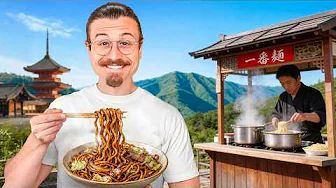
- Biang Biang noodles from Xi’an, China, were the host’s favorite dish of the entire journey, despite not appearing on TasteAtlas’s top 10 list. Their enormous hand-pulled noodles, tender yet chewy texture, balanced sweetness, and moderate spice outperformed every officially ranked dish he sampled.
- Traditional dan dan noodles impressed the host at a Chengdu restaurant operating for more than 100 years. The small portions originated with vendors carrying ingredients on shoulder poles, while the thick sauce, aromatic Sichuan pepper, bitterness, and numbing heat represented a preparation Eyal warned was becoming harder to find.
- Pad Thai Thipsamai in Bangkok served the best pad thai the host had ever eaten. Joined by Mark Wiens, he compared a rich, sweet egg-wrapped version with a more acidic traditional preparation and learned how the dish's development was linked to 1930s government efforts to reduce rice consumption.
- Some of the most impressive pho came from a tiny Vietnamese restaurant operating inside someone's home. Open only four hours daily, it served exceptionally clear beef-bone broth whose subtle richness and precise seasoning convinced the host that careful stock preparation mattered more than elaborate additions.
- A $4 street-food japchae in South Korea beat the restaurant version served alongside Korean barbecue. Its chewy, stretchy noodles, soy seasoning, and stir-fried onions delivered better flavor, value, and speed, despite japchae traditionally being served as a shared side dish rather than a main course.
- Penang's assam laksa became one of the journey's biggest surprises, combining sardine broth with intense tamarind acidity. Guided by Jarvis after Uncle Roger recommended Malaysia, the host discovered that mint, thick rice noodles, fish, and sweet shrimp paste created a balanced soup whose flavor intensified throughout the meal.
- Ichiran's chain-produced tonkotsu ramen beat a Michelin-starred shoyu restaurant in the host's judgment, while Rokurinsha's tsukemen emerged as an equally strong contender. He preferred Ichiran's assertive seasoning and firm noodles, but Rokurinsha's concentrated pork-seafood dipping broth and exceptionally chewy chilled noodles made a final ramen winner impossible to choose.
- A four-generation family restaurant in Osaka served yakisoba so good that the host reversed his doubts about waiting an hour. The simple Chinese-influenced wheat-noodle dish combined perfectly balanced sweet-salty seasoning, chewy noodles, and crispy sections, demonstrating why an inexpensive, nostalgic preparation could compete with far more elaborate dishes.
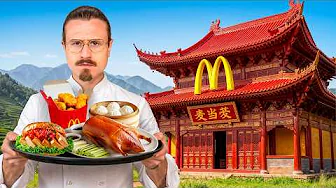
- A small Chongqing noodle shop beat every major fast-food chain tested in China. Jyu Ywen earned 9/10 from the American host and 9.1/10 from local guide Jackson, serving two freshly cooked bowls for just $3.51 in approximately four and a half minutes.
- Mr. Rice offers home-style Chinese cooking with almost instant service for around $5 a meal. Customers select prepared meats and vegetables, pay by weight, and receive unlimited rice and free soup; the chain scored 8.55/10 and was considered particularly practical for office workers.
- Yang Guo Fu has turned traditional hot pot into a five-minute fast-food meal. Customers select their ingredients and the kitchen cooks everything, producing a large $8 bowl sufficient for two or three people; despite lower-quality meat, the reviewers found its flavor comparable to conventional hot pot.
- McDonald's and KFC offer notably different food in China, with McDonald's winning the comparison. McDonald's scored 7/10 for its spicy chicken sandwich and unusually crispy fries, while KFC scored 6.8/10 despite an excellent Peking duck-style chicken wrap; service took approximately 10 and 15 minutes respectively.
- Western pizza franchises offered novelty and expensive-looking restaurants without consistently better food. Domino's served shrimp-and-pineapple and Beef Wellington pizzas but required 20 minutes, while an upscale Pizza Hut offered disappointing food, including a $12 Wagyu steak, and received just 5.9/10 from the host.
- Mixue has grown to more than 45,000 outlets worldwide while selling ice cream for less than $0.30. Its simple powdered-milk-based ice cream initially disappointed the host, but its light sweetness and remarkably low price ultimately earned it 7/10.
- Luckin Coffee competes directly with Starbucks through nearby locations and distinctive drinks. The host encountered Luckin stores opposite Starbucks several times in Chongqing and gave its orange-juice Americano 7.5/10, finding the fruit-forward coffee refreshing despite the espresso flavor being relatively subdued.
- Wallace delivered the fastest meal of the tour in just 30 seconds but finished last on the leaderboard. Its $1.25 chicken sandwich was bland without added seasoning, while Jackson raised concerns about the chain's reputation following reported food-safety incidents; the reviewers awarded it 6/10 and 5/10.
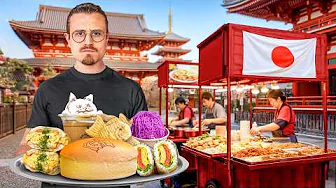
- The best street food of the entire Japan trip was an okonomiyaki-inspired curry pan in Tokyo. The deep-fried bread combined Japanese curry, melted cheese, bonito flakes, okonomiyaki sauce, and mayonnaise, earning S tier and defeating every other contender.
- Two heavily promoted Japanese desserts were among the trip’s worst foods. An elaborate matcha crepe received F tier for excessive bitterness and poorly balanced ingredients, while the famous jiggly cheesecake received D tier because its attractive appearance disguised a bland, meringue-like dessert.
- Freshly pounded mochi received S tier because its texture was radically different from ordinary packaged mochi. Prepared while the rice was still steaming hot, it had an exceptionally soft, elastic consistency, with sweet bean paste inside and roasted soybean flour outside.
- A Chinese-origin pork bun from Japan’s 551 chain earned S tier, outperforming many traditional Japanese specialties. Its delicate, fluffy dough enclosed exceptionally tender, well-seasoned pork and sautéed onions, while the Japanese custom of adding pungent mustard improved the experience.
- Hokkaido milk soft serve received S tier for tasting intensely of fresh milk rather than sugar. The host praised its rich creaminess and restrained sweetness, contrasting it with conventional American soft serve and desserts that overwhelm their main ingredients with sugar.
- A Harajuku egg sandwich defeated a massive steak sandwich containing approximately 400 grams of meat. The creamy egg, salty ham, and cheddar sandwich earned S tier, while the surprisingly tender but slightly overcooked skirt-steak sandwich received A tier.
- Osaka’s freshly made red-bean taiyaki received S tier, while its famous takoyaki earned A tier. The taiyaki succeeded through an exceptionally thin, crisp shell and balanced filling, whereas the takoyaki impressed with octopus, tempura crunch, nori, and savory toppings despite being dangerously hot when served.
- Several viral foods justified their popularity through genuine flavor rather than spectacle. A cheese-filled 10-yen coin pancake and bluefin tuna seared by a cook using his bare hands both received A tier, while the fresh mochi proved that its famous pounding process produced a substantially better finished food.
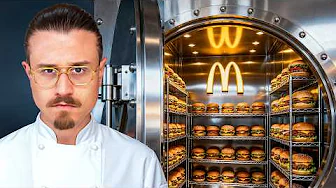
- Long John Silver's won the fast-food secret-menu competition with its little-known Crumblies. These crispy, seasoned pieces of leftover fried batter were added to fish and hush puppies using tartar sauce, creating a combination the hosts praised for its crunch, savory flavor, moisture, and balance.
- Culver's became one of the highest-rated contenders by combining chili, cheese curds, cheese sauce, and pickled jalapeños. The warm chili, crunchy curds, creamy cheese, and acidic jalapeños complemented one another so effectively that the hosts considered the finished dish better than its individual ingredients.
- Del Taco's $3.99 Stoner Burrito earned an unexpectedly high 7.7/10 from Kevin of How Kev Eats. The unofficial order combined a bean-and-cheese burrito with fries and white sauce, prepared Bold Style, although soggy fries and a poor tortilla prevented it from scoring above eight.
- Arby's Meat Mountain reversed the hosts' consistently negative experiences with the chain and temporarily led the competition. The off-menu sandwich, available in the restaurant's ordering system, contained eight varieties of meat, Swiss and cheddar cheese, and approximately 320 grams of meat; the hosts rated it 7/10 and recommended adding au jus.
- Shake Shack's frozen-custard sandwich became one of the few customizations the host said he would specifically return to buy. A scoop of frozen custard placed inside a toasted potato bun created a surprisingly balanced dessert, with caramelized bread, a crisp exterior, and soft, cold custard.
- Two unlikely dessert combinations performed well: Dairy Queen's Banana Split Blizzard and Jack in the Box's maple-bacon cheesecake. Dairy Queen received scores of 7 and 7.5/10 despite being too runny, while Jack in the Box earned two 7/10 ratings because maple syrup and bacon compensated for the cheesecake's poor texture.
- Burger King's reconstructed Rodeo King received a unanimous 3/10, while Whataburger's honey-butter chicken sandwich also failed badly. Burger King's beef lacked seasoning and its onion rings became mushy, while Whataburger's chicken was poorly seasoned and its toast tasted of burnt oil despite a nearly 15-minute wait.
- Established favorites In-N-Out and Jollibee failed to win because their secret-menu modifications added relatively little to already enjoyable food. In-N-Out's Animal Style Double-Double remained a dependable roughly 7–8/10 burger, while Jollibee's chicken-skin wrap mainly repackaged chicken, adobo rice, mashed potatoes, and gravy that customers already eat together.
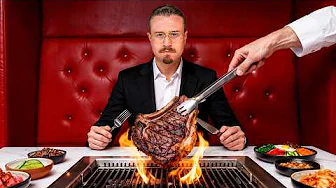
- COTE was judged the best-value steakhouse in America, offering its Butcher's Feast for $78 per person. The Michelin-starred Korean steakhouse served four premium beef cuts with sides, while adding Japanese A5 Wagyu raised the price to approximately $110 per person.
- José Andrés's Bazaar Meat in Las Vegas delivered the best overall dining experience, despite its high prices. The restaurant reportedly cost $40 million to build, yet its Japanese A5 Wagyu cheesesteak, quoted at $17–$19, was among the most memorable dishes of the entire tour.
- The Big Texan in Amarillo offered the cheapest beef by weight: a 72-ounce steak for $72, free if the challenge was completed. Contestants had one hour to finish the 4.5-pound steak and several sides; only 12% reportedly succeed, and both Josh and 2019 World's Strongest Man Martins failed, paying $144 combined.
- Gordon Ramsay's $85 beef Wellington outperformed his more expensive steak offerings. Its perfectly cooked beef, seasoning, and pastry earned exceptional praise, beating the $109 dry-aged New York strip and $165 beef trio on overall value.
- Peter Luger's distinctive cooking method helped justify its $135 steak for two. The restaurant salts only one side, broils the beef, slices it onto clarified butter, and broils it again to create a sizzling meat-and-butter sauce; the group received its meal complimentary.
- Some exceptional Japanese Wagyu cattle are raised in Texas, where Isidore deliberately serves less prestigious butcher's cuts. Rather than relying on filet mignon or ribeye, the restaurant featured $86 flat iron and Denver steaks from full-blood Japanese Wagyu, with the flat iron becoming one of Josh's favorites.
- American Wagyu ultimately beat Japanese A5 Wagyu in the host's personal preference. At COTE, he favored the American Wagyu New York strip because it combined tenderness, flavor, and manageable richness, whereas Japanese A5's extreme marbling made it difficult to eat in larger quantities.
- Several traditional steakhouses offered substantial portions at comparatively reasonable prices. Lawry's served prime rib with sides for $41–$52, Old Homestead priced its 24-ounce Gotham rib steak and 15-ounce filet equally at $85, and Churrascaria Plataforma offered unlimited Brazilian barbecue and salad for $84 per person before tax and tip.
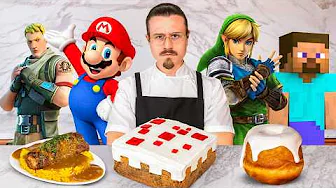
- Persona 5’s Leblanc Curry won the competition for best video game food. Its slow-cooked beef, rice and spices were enhanced by unusual ingredients including chocolate, instant coffee, yogurt and honey, producing a rich, balanced dish that defeated every other finalist.
- Only four foods reached S tier: Leblanc Curry, World of Warcraft’s Mana Strudel, chilled Butterbeer and Pac-Man’s Japanese melon. The judges tasted all four again, scoring them out of 10 to determine the overall winner.
- Monster Hunter’s Chef’s Choice Platter received the most audience votes but finished in A tier. Its enormous spread of ham, lobster, paella, shrimp skewers and cheese looked spectacular, but the judges considered it an assortment of enjoyable foods rather than a cohesive meal.
- Fortnite’s Slurp Juice achieved S tier for appearance but F tier for taste. Gaming experts Ninja and Jake Baldino praised its swirling blue appearance, while the tasting judges found its mixture of Mountain Dew, fruit punches, energy drinks and artificial flavorings overwhelmingly sweet.
- A $150 Japanese Crown Melon representing Pac-Man became one of the competition’s biggest surprises. The premium fruit, reportedly cultivated through hand pollination and careful massaging, earned S tier for exceptional sweetness, juiciness and flavor, outperforming numerous elaborate cooked dishes.
- World of Warcraft’s Mana Strudel recreated an important part of the host’s gaming childhood. Having spent years playing as a healer, he particularly appreciated the faithful official-cookbook recreation, whose crisp exterior, soft interior and restrained sweetness earned S tier.
- The team rejected Skyrim’s official Sweet Roll cookbook recipe because fans considered it inauthentic. Their replacement prioritized matching the game’s distinctive shape and icing, ultimately earning A tier for its soft, slightly crumbly texture and enjoyable flavor.
- Several faithful or imaginative recreations proved unpleasant to eat. Kirby’s curry, containing six ghost peppers and three Carolina Reapers, earned D tier for excessive heat, while Zelda’s durian stew received F for its overpowering odor and texture; even Halo’s real military rations scored only D or F.
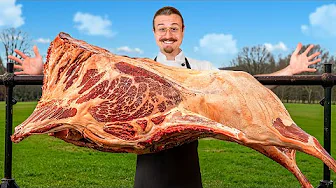
- Aaron Franklin's Franklin Barbecue in Austin processes more than 44,000 pounds of brisket monthly, using a 12–14-hour smoking process. Franklin repeatedly spritzes thinner sections to prevent drying, wraps the briskets to render fat, judges doneness by feel, and rests and holds the meat overnight for 11 a.m. service.
- Chuck roast and crosscut shanks were prepared through slow braising rather than conventional steak cooking. Chuck became a 325°F pot roast with carrots and gravy after approximately three hours, while shanks became three-hour osso buco, with bone marrow enriching the sauce and citrus-herb gremolata balancing its richness.
- Short ribs were used for two distinct preparations: Korean-style galbi and Mexican quesabirria. Crosscut chuck ribs were marinated with Asian pear, soy sauce, sugar and other seasonings before charcoal grilling, while rib-primal short ribs were chili-braised for 2½–3 hours, shredded and folded into consommé-dipped tortillas with Oaxaca cheese.
- A standing rib roast was cooked slowly before receiving a high-temperature finish to preserve a medium-rare center. The roast reached 118°F internally, rested for 15–20 minutes, and returned to a 500°F oven for 10–15 minutes; its overcooked rib cap remained tender because of its substantial fat content.
- The presenter ranked a Pullman Market Wagyu New York strip among the best beef he had ever eaten. Searing and butter-basting produced a strong crust and exceptional juiciness, while its balance of fat and meat delivered richness without the excessive heaviness he associated with overly fatty steaks.
- The most expensive cut, tenderloin, required additional flavor to compete with richer steaks. The presenter seared a thick filet mignon, oven-finished it to 130°F, and served it with a bourbon, peppercorn and cream sauce, arguing that well-marbled tenderloin prepared this way could rival other premium cuts.
- Brazilian-style picanha demonstrated how a heavily marbled fat cap and minimal seasoning can produce exceptional flavor. The steaks were salted without pepper, folded onto skewers, grilled over charcoal, and sliced thinly for immediate eating; the presenter considered picanha among the most flavorful cuts of the animal.
- Tough bottom round became Italian beef sandwiches through thin slicing rather than prolonged braising. The meat was cooked to approximately 135°F, refrigerated overnight, sliced with a deli slicer, reheated gently in its reserved seasoned broth, and served on dipped rolls with giardiniera, demonstrating a practical use for an otherwise difficult cut.
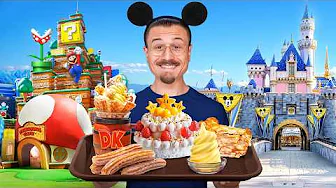
- Disneyland won the five-park food competition by just 0.1 points over Universal Epic Universe. Josh Weissman and a randomly recruited visitor at each park rated five qualifying dishes, with their combined scores determining the winner.
- Disneyland’s birria grilled cheese was crucial to its victory, earning 8.5/10 from Josh and 10/10 from guest Desani. It defeated the classic churro and turkey leg in a three-way playoff, while Disneyland’s freshly baked chocolate-chip cookie also performed exceptionally well, scoring 9 and 9.5.
- Disneyland won despite major disagreements between its two judges. Desani awarded Dole Whip 3/10 and gumbo 4/10, while the turkey leg received 8/10 from Josh but just 1/10 from Desani, who disliked its greasy skin and appearance.
- Epic Universe’s standout was a Korean-inspired skewer combining tteokbokki, sausage, and a crispy cheese skirt. Its sweet-soy glaze and contrasting textures earned 9/10 from Josh and approximately 9.3/10 from Austin; the pineapple-and-banana DK Crush Float also received 9/10 from both reviewers.
- Dollywood’s freshly baked cinnamon bread was its strongest attraction, receiving scores around 9–9.5/10. Its tender interior, crisp exterior, and balanced cinnamon sweetness impressed both judges, while Aunt Granny’s well-seasoned fried chicken received 7.9/10 despite losing crispness under heat lamps.
- Knott’s Berry Farm’s boysenberry funnel cake dramatically outperformed its famous fried chicken and churro. Josh and Alex awarded the funnel cake 9.2/10 and 10/10 respectively, while Josh gave the poorly seasoned fried chicken 2/10 and exceptionally dry boysenberry churro 3/10.
- EPCOT’s strongest discoveries were Moroccan lamb with freshly baked bread and France’s warm brioche filled with ice cream. Josh scored both 8/10, while Germany’s highly recommended pretzel bread pudding disappointed both reviewers, receiving just 5/10 each.
- Freshness, seasoning, and texture mattered more than a dish’s reputation or elaborate presentation. Epic Universe’s Butterbeer crêpe arrived cold, EPCOT’s fish and chips were over-battered and undersalted, and Dollywood’s sampler was bland, while freshly prepared bread and balanced desserts consistently earned stronger reviews.
- Frozen French fries can approach the quality of restaurant triple-cooked chips using a microwave and air fryer. Chef Chris Young microwaved thick frozen fries for approximately five minutes, then air-fried them for 15–20 minutes, producing a crispy exterior and fluffy interior without deep-frying.
- An inexpensive chuck steak can develop tenderness comparable to ribeye through prolonged sous-vide cooking. Cooking chuck at 137°F for at least 12 hours breaks down tough connective tissue, allowing it to be seared and served like a premium steak at a fraction of the price.
- A domestic oven can cook Neapolitan-style pizza in approximately 90 seconds using an inverted cast-iron skillet and broiler. The skillet supplies intense bottom heat while the broiler cooks the top, producing a crisp crust without a dedicated pizza oven.
- Caramelized-style onions can be prepared in 10–15 minutes instead of an hour. Adding a pinch of sugar, cooking over medium-high heat, and repeatedly deglazing browned deposits with small amounts of water produces similar flavor and color, although the onions remain less thoroughly cooked.
- The enzyme Pectinex can remove citrus pith overnight and clarify cloudy fruit juice. A 1% solution strips the membranes from peeled mandarins, while approximately half a teaspoon added to 500 milliliters of juice breaks down pectin, allowing suspended pulp to settle before filtration.
- A saltwater float test can identify potatoes better suited to French fries before cooking. Dissolving 120 grams of salt per liter of water separates sinking potatoes, which have the desired dry-matter content, from floating potatoes that the chef recommends reserving for mashed potatoes.
- Used frying oil can be clarified with gelatin instead of immediately discarded. Dissolved gelatin mixed with hot water captures food debris as the mixture settles, allowing cleaner oil to be separated and reused when it remains suitable for frying.
- Restaurant-style clarified chicken stock can be produced from a leftover rotisserie-chicken carcass using a pressure cooker and freezer. Pressure-cooking the carcass for approximately one hour creates stock, which can then be frozen and thawed overnight through a coffee filter to produce a clearer, consommé-like broth.
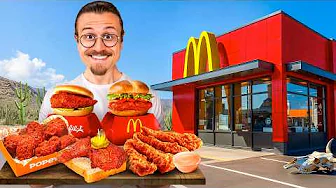
- Jollibee's Spicy Chickenjoy won the competition for America's best-tasting spicy fast-food item. One reviewer rated it 9/10, praising its perfectly balanced salt, umami flavor, juicy meat that fell off the bone, and satisfying 5.5/10 heat.
- Popeyes nearly defeated Jollibee with its Signature Hot wings, but insufficient salt cost it the victory. One reviewer scored the crispy, juicy wings 8.9/10 and said proper seasoning could have raised them to 9.5–9.6; their heat scored 6/10 and 6.8/10, exceeding Popeyes' ghost-pepper sandwich.
- Dave's Hot Chicken won the heat competition while finishing last for overall food quality. Its waiver-required Carolina Reaper chicken scored 9/10 and 9.5/10 for spiciness, but both reviewers criticized its tough, chewy breading, missing salt, and lack of chicken flavor.
- Chick-fil-A delivered one of the strongest combinations of enjoyable heat and food quality. Its Spicy Chicken Sandwich scored 7.9/10 and 8/10 overall, with approximately 5.8/10 heat; inconsistent breading prevented an even higher rating, although neither reviewer felt the sandwich needed extra sauce.
- Church's Chicken produced one of the largest disagreements because the reviewers received noticeably different portions. Overall scores were 6.8/10 and 8.3/10: one found the coating oily and tempura-like, while the other enjoyed exceptionally juicy, well-seasoned chicken with a satisfying crunch.
- Several aggressively marketed spicy products delivered almost no meaningful heat. Zaxby's Nuclear sauce scored roughly 2–3/10, A&W's jalapeño burger 1–1.5/10, and Whataburger's Pico de Gallo Burger 0–1/10; even Taco Bell's potato taco with Diablo sauce received sharply different heat scores of 0.5 and 3.5.
- Five Guys charged almost $9 for medium fries that both reviewers considered among the worst they sampled. Despite their heavily seasoned appearance, the fries scored just 1/10 for spiciness and 2/10 and 3/10 overall because they were oily, soft, and surprisingly bland.
- The competition exposed how heavily American fast-food chains rely on spicy chicken sandwiches rather than genuinely diverse spicy offerings. Arby's was excluded after two locations lacked the requested sauce, Freddy's reported having no spicy items, and the final contest effectively became a fried-chicken competition dominated by Jollibee, Popeyes, and Dave's Hot Chicken.
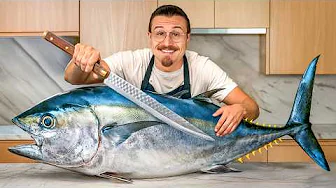
- A single 300-pound, six-foot bluefin tuna was valued at $20,000. The host visited Bluefina, one of Mexico's largest open-ocean tuna ranches, swam among hundreds of fish, selected one with professional assistance, and participated in its complete butchering.
- Bluefina fattens wild-caught bluefin tuna for an entire year on organic sardines. The host attributed the fish's exceptional fat content and flavor to this feeding program, particularly the development of premium otoro, and claimed Bluefina's approach was distinctive.
- The tuna's three principal meat grades differ in fat content, flavor, and value. Akami is deep-red lean meat, chūtoro is moderately fatty pink meat, and otoro is the exceptionally rich belly meat prized for its buttery, melt-in-the-mouth texture.
- The tuna collar, or kama, was described as the fish's most expensive cut because of its scarcity and quality. The specialists also explained that four loins extend almost to the nose, meaning valuable meat can be recovered from areas beyond the familiar back and belly sections.
- Blake and Matt, associated with Riviera Seafood Club and Prime Time Seafood, guided the entire breakdown. They demonstrated specialized skin and breaker knives, cuts following the bone to minimize waste, and smooth strokes for removing the bloodline; their sister Claire prepared the finished sashimi.
- Fresh tuna scraped directly from the skeleton with a spoon provided an unusual tasting opportunity. The host described the meat as sweet, clean, and rich in umami, emphasizing that the fish had been removed from the water only the previous day.
- The tasting revealed that the fattiest tuna is not necessarily everyone's favorite. Akami delivered pronounced meaty umami, one participant preferred chūtoro's balance of flavor and richness, while the host celebrated otoro's extraordinary tenderness and compared its luxurious fat content to A5 Wagyu beef.
- The host credited tuna ranching with helping bluefin populations recover from a near-collapse approximately 15 years earlier. He presented ranching as a reason bluefin could be eaten again, although the episode supplied no population figures or independent evidence establishing that conservation claim.