10 මැයි 2026
මැයි 10, 2026 Lehan Edirisinghe
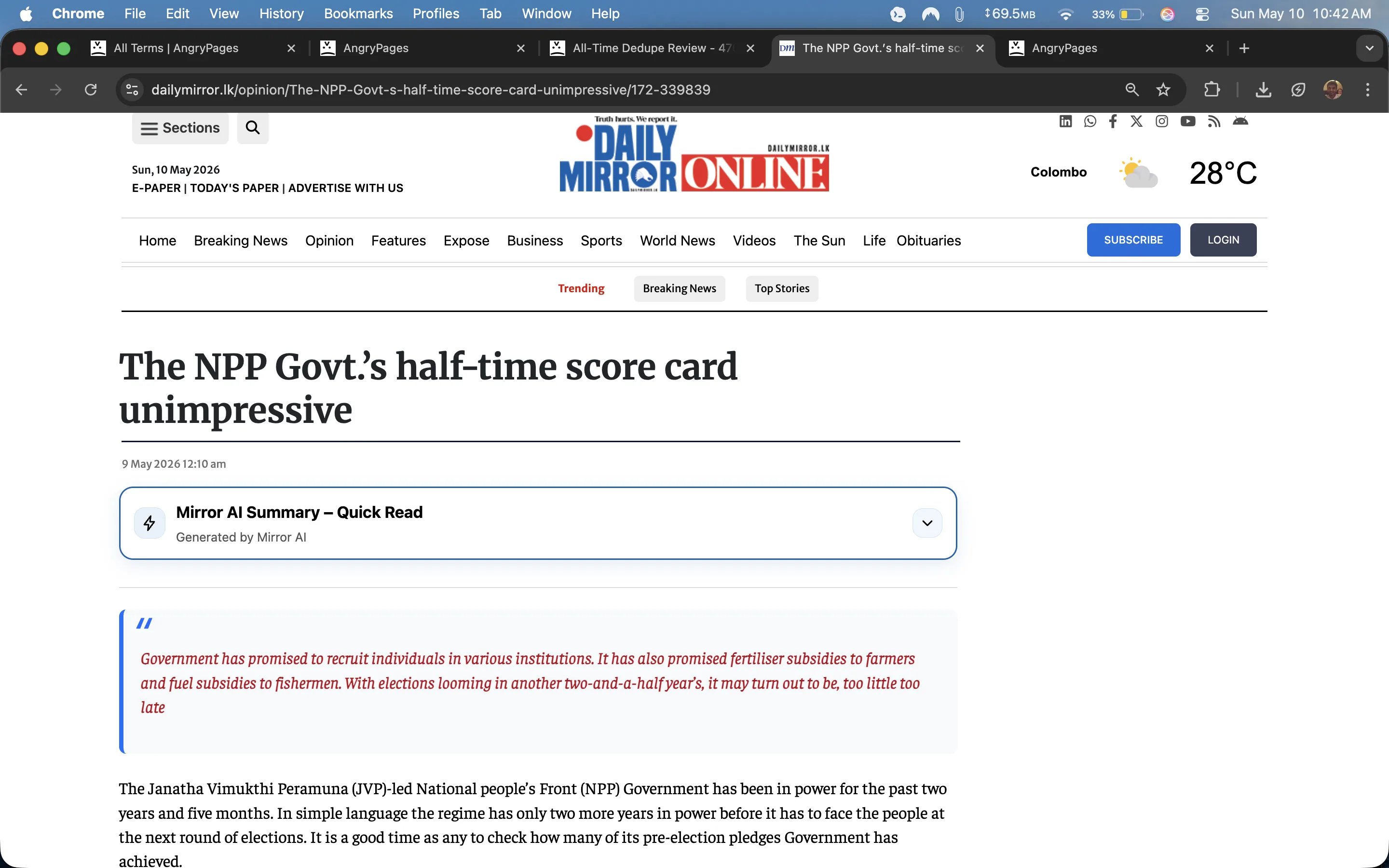
NPP: in power for 1 & 7/12 years, not 2 & 5/12!
This is a useful article Daily Mirror (Sri Lanka) because the cost of living, medicine shortages, child nutrition, public-sector scams, suspicious deaths, and corruption investigations all deserve serious public attention.
One small timeline point may need clarification. As at 10 May 2026, AKD has been President since September 2024, and the NPP parliamentary government followed the November 2024 election. So the period is closer to about one year and seven months at the presidential level, and about one year and six months at the parliamentary level, rather than two years and five months.
That clarification does not reduce the importance of the wider issues raised. The public still deserves clear answers on prices, wages, medicine availability, nutrition, fraud investigations, and accountability.
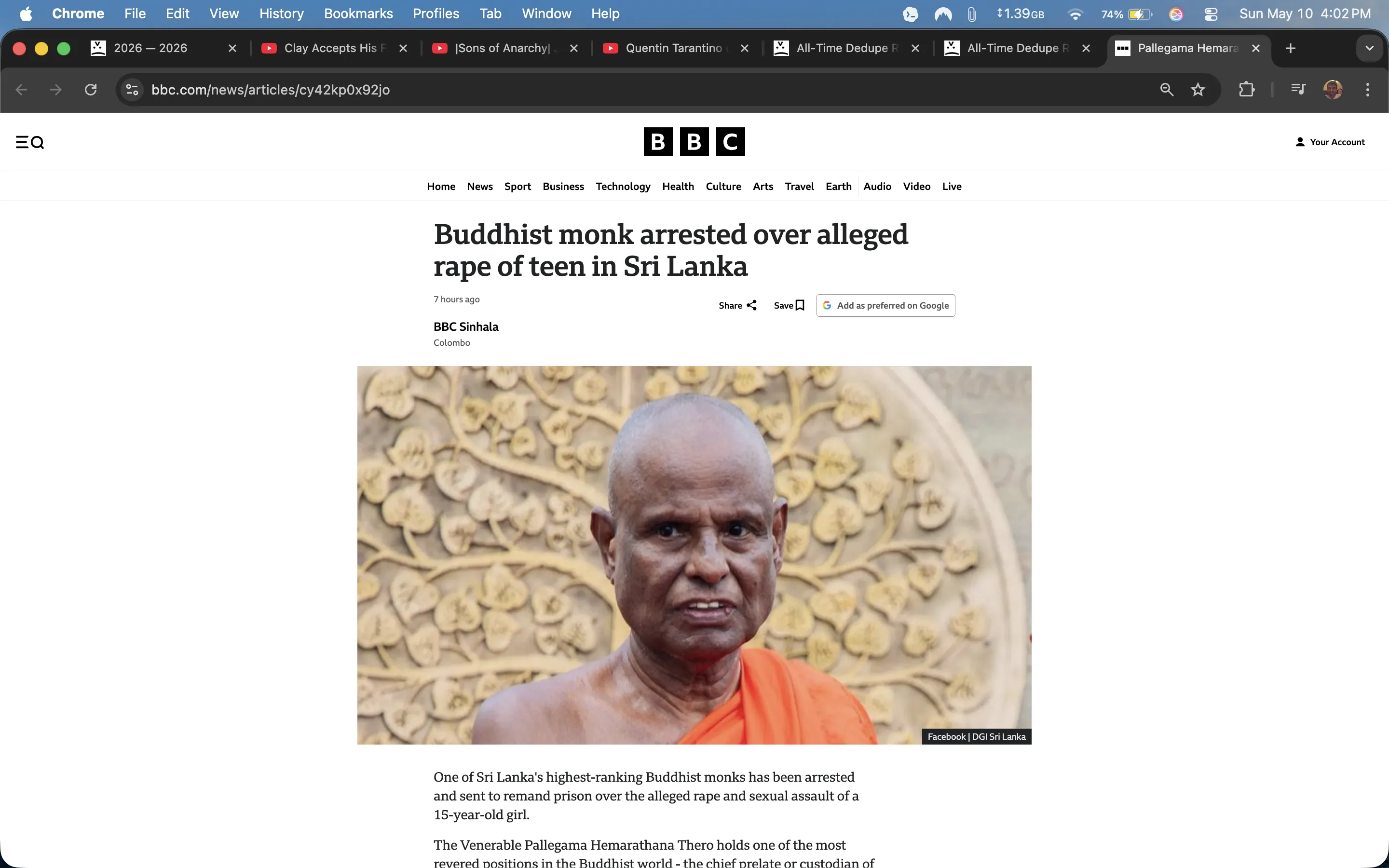
The robe deserves respect. It does not deserve immunity.
Ven. Pallegama Hemarathana Thero, the Atamasthanadhipathi and one of the most senior Buddhist figures connected to the sacred sites of Anuradhapura, has been arrested and remanded in connection with allegations involving the sexual abuse of a minor girl.
This must be said with discipline.
He is accused, not convicted. A court must decide guilt. Evidence must matter. Rumour must not become judgment. The public should not turn an allegation into a social-media execution.
But due process is not the same as silence.
Due process does not mean the powerful should be handled softly. It does not mean police should hesitate because the accused person is senior, famous, religiously important, politically connected, or socially untouchable. It does not mean a child’s voice becomes smaller because an adult’s title is large.
That is the real issue here.
Pallegama Hemarathana Thero is not being discussed because he is Buddhist. He is being discussed because he is a public religious authority accused in a child-protection case. Naming him is not an attack on Buddhism. Protecting a child is not an insult to the Sangha. Asking for equal law is not hatred of religion.
There are two dangerous reactions to a case like this.
One is to use it as an excuse to insult Buddhism, monks, or ordinary devotees. That is cheap, cruel, and intellectually lazy. No religion should be judged by allegation alone.
The other is to rush into institutional defence so quickly that the child disappears from the story. That is just as dangerous. Reverence must never become a wall around power. Respect must never become a weapon against victims. A sacred office must never become a private courtroom where the vulnerable are expected to stay quiet.
The centre of this story is not outrage. It is protection.
The robe deserves respect. It does not deserve immunity. (2/2)
දරුවාගේ පෞද්ගලිකත්වය ආරක්ෂා කරන්න. ඇයගේ ගෞරවය ආරක්ෂා කරන්න. නීතිමය ක්රියාවලිය ආරක්ෂා කරන්න. සාධාරණ නඩු විභාගයකට චූදිත පුද්ගලයාගේ අයිතිය ආරක්ෂා කරන්න. එමෙන්ම කිසිදු සළුවක්, මාතෘකාවක්, පන්සල් කාර්යාලයක්, පවුල් සම්බන්ධයක්, දේශපාලන මිත්රත්වයක් හෝ සමාජ තත්වයක් විමර්ශනයෙන් ඔබ්බට පුද්ගලයෙකු තැබිය නොහැකි යන මූලධර්මය ආරක්ෂා කරන්න.
විනය උගන්වන ආගමක් වගවීමට බිය නොවිය යුතුය.
දයානුකම්පාව උගන්වන පන්සලක් ළමා ආරක්ෂාවට බිය නොවිය යුතුය.
බුදු දහමට ගරු කරන සමාජයක් නිහතමානීකම, සංයමය සහ සදාචාරාත්මක වගකීම රැගෙන යන විට සළුව ගෞරවය ලැබිය යුතු යයි පැවසීමට තරම් පරිණත විය යුතුය. නමුත් සළුව ප්රතිශක්තිය බවට පත්වීමට ඉඩ දිය නොහැක.
මෙය බෞද්ධ විරෝධී නොවේ.
මේක ළමයින්ට ගැති.
මේක නීතියට ගැති.
මේක සත්යයට හිතයි.
එමෙන්ම ශ්රී ලංකාවේ සදාචාරාත්මක ජීවිතය ගැන අප බැරෑරුම් නම්, ප්රමිතිය සරල විය යුතුය: කිසිම දරුවෙකු ඇසීමට තරම් බලරහිත නැත, කිසිදු වැඩිහිටියෙකු විමර්ශනය කිරීමට තරම් පූජනීය නොවේ.
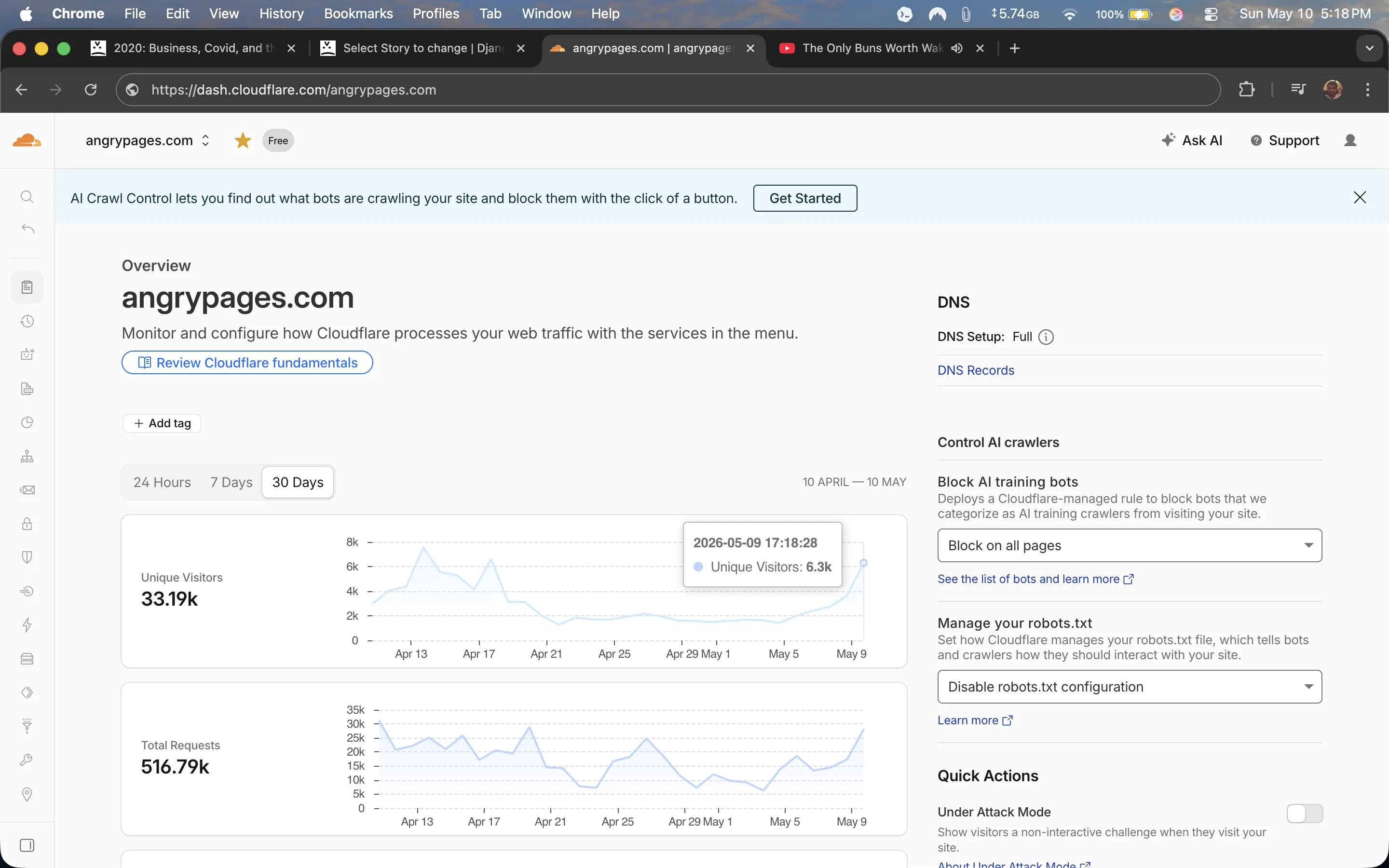
You can't keep a good man down
We got knocked offline. Because some content (which was contained to my account because of cautious data design security foresight), passed through our technology, and even OpenAI's AI technology.
I'm manually auditing and performing necessary repairs.
I was shocked by Cloudflare, you can see how, it was high up, and because AngryPages was down, the site's traffic was low 1,000s.
Now, again, cause people want to read what I write, even if new ideas, it's recovering again and spiking upwards.
Sri Lanka Has Stability. But Does It Have A Future?
A fair-use commentary by Lehan Edirisinghe / AngryPages, responding to Harsha Gunasena’s Colombo Telegraph article, “Confused Macroeconomic Policies Of The Government.”
Harsha Gunasena’s article is useful because it separates two things Sri Lanka keeps mixing together: punishment politics and economic repair.
I understand why people want punishment. Sri Lanka was not simply “mismanaged” in some clean academic sense. It was abused, looted, lied to, over-borrowed, over-promised, and then handed a bill ordinary people had to pay. So yes, corruption matters. Justice matters. Political accountability matters.
But corruption cannot be the whole diagnosis. If the country says “corruption caused everything,” then the solution becomes theatre: arrest a few enemies, hold a few press conferences, call it national recovery. That is not enough.
The crisis was built over many years: deficit budgets, weak exports, state-owned losses, energy subsidies, expensive borrowing, bad tax policy, money printing, exchange-rate manipulation, the fertilizer disaster, delayed IMF engagement, and a political culture that preferred slogans to arithmetic. That is the harder truth. It is less emotionally satisfying than blaming one camp, but it is more useful.
The government deserves some credit for not gambling with the IMF programme. After 2022, no serious government had unlimited room for drama. Sri Lanka needed stability first. The IMF itself says recent reforms have supported recovery, with 2025 growth, reserve accumulation, and revenue performance exceeding expectations; but it also stresses the need for continued reform, resilience, and inclusive growth. (IMF)
That is the central point: IMF compliance is not a national development strategy. It is a floor, not a future.
Sri Lanka Has Stability. But Does It Have A Future? (2/3)
රටකට රාජ්ය මූල්ය ඉලක්ක සම්මත කර ගත හැකි අතර තවමත් එහි ජනතාව අසාර්ථක වේ. එමගින් විනිමය අනුපාතය ස්ථාවර කරගත හැකි අතර තවමත් ආහාර මිල ගණන් විසින් තලා දැමූ කුටුම්භ ඇත. එයින් හොඳ සංඛ්යා පෙන්නුම් කළ හැකි අතර තවමත් අපනයන ඉතා ස්වල්පයක්, ඵලදායී රැකියා ඉතා ස්වල්පයක් සහ තරුණ තරුණියන්ට ඉතා සුළු බලාපොරොත්තුවක් ද නිෂ්පාදනය කළ හැකිය.
ලෝක බැංකුව මෙවැනිම අනතුරු ඇඟවීමක් සිදු කර ඇත: ශ්රී ලංකාවේ යථා තත්ත්වයට පත්වීම අසම්පූර්ණව පවතී, දුප්පත්කම තවමත් ඉහළ මට්ටමක පවතී, ආහාර මිල ඉහළ මට්ටමක පවතී, අර්බුදය තුළ අහිමි වූ ජීවනෝපාය බොහෝ ගෘහ භාණ්ඩ නැවත ලබා නොමැත. (
ලෝක බැංකුව) සාර්ව ආර්ථික විවාදය බොහෝ විට මග හැරෙන්නේ එයයි. ආර්ථිකය දර්ශක වගුවක් ලෙස මිනිසුන් අත්විඳින්නේ නැත. පාසල් ගාස්තු, කුලී, බිත්තර, බස් ගාස්තු, විදුලි බිල, බෙහෙත්, තම දරුවාට රටේ රැඳී සිටීමට හේතුවක් තිබේද යන්න ඔවුහු එය අත්විඳිති.
ගුණසේන මහතාද අපනයන හා වෙළඳාම කෙරෙහි අවධානය යොමු කිරීම නිවැරදියි. ශ්රී ලංකාවට සෞභාග්යයට බදු අය කර සලාක ගත නොහැක. ලෝකයෙන් උපයා ගත යුතුයි. එයින් අදහස් කරන්නේ අපනයන, සේවා, සංචාරක ව්යාපාරය, ආයෝජන, සැපයුම්, ඩිජිටල් වැඩ, වඩා හොඳ ඵලදායිතාව සහ ලාභදායී යෙදවුම්.
ආරක්ෂණවාදය බොහෝ විට දේශප්රේමය ලෙස විකුණනු ලබන නමුත් එය දුප්පත් මිනිසුන් මත බද්දක් බවට පත් විය හැකිය. පටු අවශ්යතා ආරක්ෂා කිරීම සඳහා ආහාර, ශක්තිය සහ අමුද්රව්ය මිල අධික ලෙස තබා ගන්නේ නම්, කම්කරුවන්ට දිවි ගලවා ගැනීමට පමණක් ඉහළ වැටුප් අවශ්ය වේ, ව්යාපාරවලට තරඟකාරිත්වය අහිමි වන අතර අපනයනකරුවන් ලෝක වෙළඳපොළට පවා ළඟා වීමට පෙර අරගල කරයි. දුප්පතුන්ට මුලින්ම ගෙවනවා. ඵලදායී ආර්ථිකය ඊළඟට ගෙවන්නේ.
ආර්ථික පරිවර්තන පනත පරිපූර්ණ නොවිය හැකිය. නමුත් එහි අපනයන අභිලාෂය වැදගත් වේ. එය භාණ්ඩ හා සේවා අපනයනය 2025 වන විට දළ දේශීය නිෂ්පාදිතයෙන් 25% ක්, 2030 වන විට 40% ක් සහ 2040 වන විට 60% ක් දක්වා ළඟා වීමට ඉලක්ක නියම කළ අතර රට පිටතට තල්ලු කිරීමට අදහස් කරන වෙළඳ හා ආයෝජන ආයතන නිර්මාණය කළේය. (ලංකා නීතිය) රජය එම රාමුවේ කොටස්වලට අකමැති නම් එය සංශෝධනය කළ යුතුය. එහෙත් ජාමූඅ ඉලක්ක පමණක් සපුරාලමින් පරිවර්තන න්යාය පත්රය කැටි කිරීම ප්රමාණවත් නොවේ.
ශ්රී ලංකාවට බාහිරින් මුහුණ දෙන ආර්ථික සැලැස්මක් අවශ්යයි. සම්මන්ත්රණ නෙමෙයි. සටන් පාඨ නොවේ. හැමෝටම රහසේ ඩොලර් ඕන අතරේ ආනයනවලට විරුද්ධව දේශප්රේමී කතා නෙමෙයි සැබෑ සැලැස්මක්
Sri Lanka Has Stability. But Does It Have A Future? (3/3)
දූෂණ විරෝධී සම්බන්ධයෙන්, මගේ අදහස සරලයි: විමර්ශන ස්වාධීන, නීරස, ක්රියා පටිපාටික සහ විශ්වසනීය විය යුතුය. දූෂණ විරෝධී පක්ෂ කේතයෙන් බැලුවොත් නීත්යානුකූල නඩු පවා සදාචාරාත්මක බලයක් නැති වෙනවා. රටට ප්රතිසංස්කරණ ලෙස සැරසී පළිගැනීම අවශ්ය නොවේ. එයට අවශ්ය වන්නේ තමන්ගේ පැත්ත විමර්ශනය කරන විට පවා ජනතාවට විශ්වාස කළ හැකි ආයතන.
ඒ අතරම, වර්ධනය මැජික් ට්රික්ල්-ඩවුන් ලෙස සැලකිය යුතු නොවේ. ප්රභූන් දළ දේශීය නිෂ්පාදිතය ගැන සාකච්ඡා කරන අතරතුර ආචාරශීලීව බලා සිටින ලෙස සාමාන්ය මිනිසුන්ට කිව යුතු යැයි මම විශ්වාස නොකරමි. වර්ධනය සැබෑ වැටුප් බවට පත් විය යුතුය, ඵලදායී රැකියා, ලාභදායී ජීවන වියදම්, වඩා හොඳ සමාජ ආරක්ෂාව, සහ නීති ව්යාපාර වටා සැලසුම් කළ හැකිය.
ශ්රී ලංකාවට දැන් අවශ්ය ශේෂය එයයි: කෲරත්වයකින් තොරව රාජ්ය මූල්ය විනය, යටත් වීමකින් තොරව වෙළඳාම, දේශපාලන රඟපෑම් නොමැතිව දූෂණ විරෝධී සහ වාර්තා පමණක් වෙනුවට කුටුම්භ වෙත ළඟා වන වර්ධනය.
මම මෙය AngryPages හි පළ කරන්නේ ද මේ නිසාය. AngryPages දිනපොත ලේඛනාගාරයක් හෝ ප්රකාශන අත්හදා බැලීමක් පමණක් වීමට මට අවශ්ය නැත. එය ශ්රී ලංකාව අභ්යන්තරයේ සිට සාකච්ඡා කළ හැකි ස්ථානයක් බවට පත්වීමට මට අවශ්යය: චිත්තවේගීය, දේශපාලනික, ආර්ථික වශයෙන් සහ අවංකව.
ෆැන්ටසි දේශපාලනය සඳහා වන මිල මේ වන විටත් රට ගෙවා තිබෙනවා. ස්ථාවරත්වය ශ්රී ලංකා වේලාව මිලදී ගත්තා. දැන් ඇති ප්රශ්නය වන්නේ ආණ්ඩුව ඒ කාලය අපනයන, ආයෝජන, ලාභදායී අත්යවශ්ය භාණ්ඩ, විශ්වසනීය ආයතන සහ සාමාන්ය ජනතාවට සැබෑ යථා තත්ත්වයට පත් කරාවි ද යන්නයි.
ශ්රී ලංකාවට තවත් වීරෝදාර සටන් පාඨයක් අවශ්ය නොවේ.
වැඩකරන ආර්ථිකයක් අවශ්යයි.
ඒ වගේම ඊළඟ අර්බුදය පැමිණීමට පෙර ඒ බව පැවසීමට කැමැත්තෙන් සිටින පිරිස් අවශ්යය.
The Smile And The Machine
Netiwit Chotiphatphaisal’s article begins in Thailand, but it does not stay there. That is why it hurts.
He writes about a Buddhist country where children are taught prayer, chanting, meditation, merit, compassion and loving-kindness. Then those same children grow up under a state that can pull young men into military service by lottery, pressure, fear, masculinity, and class power. The article describes Thailand’s conscription system, the red-card/black-card lottery, the pressure on boys to join reserve training, and the moral contradiction of monks and Buddhist society living beside compulsory militarism. (Colombo Telegraph)
That is not only Thailand’s mirror.
It is ours too.
Sri Lanka also knows how religion, school, flag, anthem, history, army, fear and national pride can be mixed until people stop noticing the mixture. A society can chant compassion in the morning and rehearse suspicion by evening. It can call itself peaceful while teaching children who to fear. It can speak of civilisation while quietly preparing the next generation to obey the old wounds.
This is the drama of the article.
Not “Buddhism bad.”
Not “soldiers bad.”
Not “country bad.”
The real question is worse:
What happens when a religion of compassion becomes the decoration on a machine of obedience?
The Smile And The Machine
Netiwit Chotiphatphaisal’s article begins in Thailand, but it does not stay there. That is why it hurts.
He writes about a Buddhist country where children are taught prayer, chanting, meditation, merit, compassion and loving-kindness. Then those same children grow up under a state that can pull young men into military service by lottery, pressure, fear, masculinity, and class power. The article describes Thailand’s conscription system, the red-card/black-card lottery, the pressure on boys to join reserve training, and the moral contradiction of monks and Buddhist society living beside compulsory militarism. (Colombo Telegraph)
That is not only Thailand’s mirror.
It is ours too.
Sri Lanka also knows how religion, school, flag, anthem, history, army, fear and national pride can be mixed until people stop noticing the mixture. A society can chant compassion in the morning and rehearse suspicion by evening. It can call itself peaceful while teaching children who to fear. It can speak of civilisation while quietly preparing the next generation to obey the old wounds.
This is the drama of the article.
Not “Buddhism bad.”
Not “soldiers bad.”
Not “country bad.”
The real question is worse:
What happens when a religion of compassion becomes the decoration on a machine of obedience?
The Smile And The Machine (2/7)
බරපතල රටකට ආරක්ෂක අවශ්යතා තිබේ. එය අවංකවම පිළිගත යුතුය.
දේශසීමා පවතී. හිංසනය පවතී. විලෝපිකයන් ඉන්නවා. රාජ්යයන්ට රාජකාරි තියෙනවා. මෘදු භාෂාව, සුවඳ දුම්, උත්සවය, මතකය, සහ ලස්සන සටන් පාඨ මත පමණක් රටකට බේරෙන්න බැහැ.
නමුත් ආරක්ෂාව මිලිටරිවාදය නොවේ.
ආරක්ෂාව අකමැත්තක් දක්වයි. මිලිටරිවාදය බඩගින්නයි
.ආරක්ෂාව ජීවිතය ආරක්ෂා කරන්නේ ජීවිතය වටිනා නිසාය. මිලිටරිවාදය ප්රචණ්ඩත්වයට අවනත වීමට මිනිසුන් පුහුණු කරන අතර පසුව එම කීකරුකම ගුණධර්මය ලෙස
ආරක්ෂාව වගකිව යුතු, පුරවැසිභාවය පාලනය කළ යුතු, සීමිත, විනයගරුක හා සදාචාරාත්මකව එය සිදු විය හැකි හානියෙන් බරක් විය යුතුය. මිලිටරිවාදය නිල ඇඳුම පූජනීය ඇඳුමක් බවට පත් කරයි. එය සැකය ප්රඥාව බවට පත් කරයි. එය තරුණ තරුණියන්ගේ සිරුරු ජාතික දේපල බවට පත් කරයි. එය ප්රතික්ෂේප කිරීම ලැජ්ජාව බවට පත් කරයි. එය යුද සූදානම පුරුෂත්වයක් බවට පත් කරයි.
ඒ වෙනස ලංකාවේ වැදගත් වෙනවා.
සෑම ආරක්ෂක ගැටලුවක්ම ව්යාජ යැයි අපට මවා පෑමට නොහැකිය. නමුත් ආරක්ෂාව පිළිබඳ සෑම ආයාචනයක්ම පිරිසිදු බව මවාපෑමට අපට ද නොහැකිය. බලය හදිසි භාෂාව තුළ සැඟවීමට කැමතියි. කීකරුකම යනුවෙන් අදහස් කරන විට “ජාතිය” කියන්නට එය කැමතියි. නිහඬතාවය යනුවෙන් අදහස් කරන විට “එකමුතුව” කියන්නට එය කැමතියි. ධූරාවලිය යනුවෙන් අදහස් කරන විට එය “උරුමය” කියන්නට කැමතියි.
අනතුර වන්නේ ආරක්ෂාවේ පැවැත්ම නොවේ.
අන්තරාය වන්නේ ආරක්ෂාව තමන්ගේම ආගමක් බවට පත්වීමයි.
එවිට රාජ්යය හුදෙක් පුරවැසියන්ගෙන් ඉල්ලා සිටින්නේ ජීවිතය ආරක්ෂා කරන ලෙස නොවේ.
එය ඔවුන්ගෙන් ඉල්ලා සිටින්නේ හානියේ යන්ත්රෝපකරණයට නමස්කාර කරන ලෙසය.
The Smile And The Machine (2/7)
බරපතල රටකට ආරක්ෂක අවශ්යතා තිබෙනවා. එය අවංකව පිළිගත යුතුය.
දේශසීමා පවතී. හිංසනය පවතී. විලෝපිකයන් ඉන්නවා. රාජ්යයන්ට රාජකාරි තියෙනවා. මෘදු භාෂාව, සුවඳ දුම්, උත්සවය, මතකය, සහ ලස්සන සටන් පාඨ මත පමණක් රටකට බේරෙන්න බැහැ.
නමුත් ආරක්ෂාව මිලිටරිවාදය නොවේ.
ආරක්ෂාව අකමැත්තක් දක්වයි. මිලිටරිවාදය බඩගින්නයි
.ජීවිතය වටිනා නිසා ආරක්ෂාව ජීවිතය ආරක්ෂා කරයි. මිලිටරිවාදය ප්රචණ්ඩත්වයට අවනත වීමට මිනිසුන් පුහුණු කරන අතර පසුව එම කීකරුකම ගුණධර්මය ලෙස
ආරක්ෂාව වගකිව යුතු, පුරවැසිභාවය පාලනය කළ යුතු, සීමිත, විනයගරුක හා සදාචාරාත්මකව එය සිදු විය හැකි හානියෙන් බරක් විය යුතුය. මිලිටරිවාදය නිල ඇඳුම පූජනීය ඇඳුමක් බවට පත් කරයි. එය සැකය ප්රඥාව බවට පත් කරයි. එය තරුණ තරුණියන්ගේ සිරුරු ජාතික දේපල බවට පත් කරයි. එය ප්රතික්ෂේප කිරීම ලැජ්ජාව බවට පත් කරයි. එය යුද සූදානම පුරුෂත්වයක් බවට පත් කරයි.
ඒ වෙනස ලංකාවේ වැදගත් වෙනවා.
සෑම ආරක්ෂක ගැටලුවක්ම ව්යාජ යැයි අපට මවා පෑමට නොහැකිය. නමුත් ආරක්ෂාව පිළිබඳ සෑම ආයාචනයක්ම පිරිසිදු බව මවා පාන්නට අපට ද නොහැකිය. බලය හදිසි භාෂාව තුළ සැඟවීමට කැමතියි. කීකරුකම යනුවෙන් අදහස් කරන විට “ජාතිය” කියන්නට එය කැමතියි. නිහඬතාවය යනුවෙන් අදහස් කරන විට “එකමුතුව” කියන්නට එය කැමතියි. ධූරාවලිය යනුවෙන් අදහස් කරන විට එය “උරුමය” කියන්නට කැමතියි.
අනතුර වන්නේ ආරක්ෂක පැවැත්ම නොවේ.
අන්තරාය වන්නේ ආරක්ෂාව තමන්ගේම ආගමක් බවට පත්වීමයි.
එවිට රාජ්යය හුදෙක් පුරවැසියන්ගෙන් ඉල්ලා සිටින්නේ ජීවිතය ආරක්ෂා කරන ලෙස නොවේ.
එය ඔවුන්ගෙන් ඉල්ලා සිටින්නේ හානියේ යන්ත්රෝපකරණයට නමස්කාර කරන ලෙසය.
The Smile And The Machine (3/7)
Netiwitගේ ලිපියේ තියුණු කොටස්වලින් එකක් තමයි පන්තියයි
.බදුල්ල කවදාවත් දේශප්රේමය ගැන විතරක් නෙමෙයි. ඒ වගේම තමයි පිටුවහල් තියෙන්නේ කාටද කියන එක.
මුදල්, සම්බන්ධතා, අධ්යාපනය හෝ පවුලේ වාසිය සහිත බොහෝ දෙනෙකුට බර වටා මාර්ග සොයා ගත හැකි අතරම තායිලන්තයේ තරුණියන් හමුදා සේවයේ හැකියාවට මුහුණ දෙන ආකාරය ලිපියෙන් විස්තර කෙරේ. තම පියා හරහා, මුදල් තමාට ක්රමය වළක්වා ගැනීමට උපකාර කළ හැකි බව පවසා සිටීම ගැන නෙටිවිට් ද ලියයි. (කොළඹ ටෙලිග්රාෆ්)
සදාචාරාත්මක භාෂාව ඉරිතැලීම එතැනයි.
හමුදා සේවය පූජනීය ජාතික යුතුකමක් නම් දුප්පතුන් එයින් වැඩි ප්රමාණයක් රැගෙන යන්නේ ඇයි?
පූජාව උතුම් නම්, පූජාවෙන් පැන යාමේ දී වරප්රසාදය මෙතරම් යහපත් වන්නේ ඇයි?
කීකරුකම චරිත ගොඩනැගීම නම්, බලවත් පවුල් නිහඬව තමන්ගේ පුතුන් සඳහා විකල්ප කැමැත්තක් දක්වන්නේ ඇයි?
එය තායිලන්තයට සුවිශේෂී නොවේ. බොහෝ රටවල් රොමැන්ටික් පූජා කරන්නේ කාගේ දරුවන් ඊට සමීපව තබනු ඇත්දැයි තීරණය කිරීමෙන් පසුව පමණි. දුප්පත් පිරිමි දරුවා ජාතියේ ශරීරය බවට පත්වේ. පොහොසත් ළමයා එයාගේ අනාගතය බවට පත් වෙනවා. කෙනෙකුට විඳදරාගන්න කියනවා. අනිත් කෙනාට ඉදිරියට යන්න කියනවා.
ඒක බුදු දහම නෙවෙයි.
ඒ තමයි දේශප්රේමී සුවඳ විලවුන් පැළඳ සිටින පන්ති බලය.
ඒ වගේම මේක සේවිකාවටත් හානි වෙනවා. නිල ඇඳුමේ තරුණයා සැමවිටම විලයා නොවේ. බොහෝ විට ඔහු පද්ධතියේ තවත් වහල්කරුවෙකි. ඔහුට කියනු ලැබේ පුරුෂත්වය යනු කීකරුකම බවයි. ඔහුට කියනු ලබන්නේ භවය යනු පරිණත බවය. පැකිලීම දුර්වලතාවයක් යැයි ඔහුට කියනු ලැබේ. ඔහුට කියනු ලබන්නේ හෘදය සාක්ෂිය බියගුලු බවය.
තම තරුණ තරුණියන්ට මෙය කරන සමාජයක් යුද්ධයට සූදානම් වන්නේ විතරක් නෙමෙයි.
එය තුවාල ලැබූ පුරවැසියන් නිෂ්පාදනය කිරීමයි.
The Smile And The Machine (3/7)
නෙටිවිට්ගේ ලිපියේ තියුණු කොටස අතරින් එකක් තමයි පන්තිය කියන්නේ.
බදුල්ල කවදාවත් දේශප්රේමය ගැන විතරක් නෙමෙයි. ඒ වගේම තමයි පිටුවහල් තියෙන්නේ කාටද කියන එක.
මුදල්, සම්බන්ධතා, අධ්යාපනය හෝ පවුලේ වාසිය සහිත බොහෝ දෙනෙකුට බර වටා මාර්ග සොයා ගත හැකි අතරම තායිලන්තයේ තරුණියන් හමුදා සේවයේ හැකියාවට මුහුණ දෙන ආකාරය ලිපියෙන් විස්තර කෙරේ. තම පියා හරහා, මුදල් තමාට ක්රමය වළක්වා ගැනීමට උපකාර කළ හැකි බව පවසා සිටීම ගැන නෙටිවිට් ද ලියයි. (කොළඹ ටෙලිග්රාෆ්)
සදාචාරාත්මක භාෂාව ඉරිතැලෙන තැන එතැනයි.
හමුදා සේවය පූජනීය ජාතික යුතුකමක් නම් දුප්පතුන් එයින් වැඩි ප්රමාණයක් රැගෙන යන්නේ ඇයි?
පූජාව උතුම් නම්, පූජාවෙන් පැන යාමේ දී වරප්රසාදය මෙතරම් යහපත් වන්නේ ඇයි?
කීකරුකම චරිත ගොඩනැගීම නම්, බලවත් පවුල් නිහඬව තමන්ගේ පුතුන් සඳහා විකල්ප කැමැත්තක් දක්වන්නේ ඇයි?
එය තායිලන්තයට සුවිශේෂී නොවේ. බොහෝ රටවල් රොමැන්ටික් පූජා කරන්නේ කාගේ දරුවන් ඊට සමීපව තබනු ඇත්දැයි තීරණය කිරීමෙන් පසුව පමණි. දුප්පත් පිරිමි දරුවා ජාතියේ ශරීරය බවට පත්වේ. පොහොසත් ළමයා එයාගේ අනාගතය බවට පත් වෙනවා. කෙනෙකුට විඳදරාගන්න කියනවා. අනිත් කෙනාට ඉදිරියට යන්න කියනවා.
ඒක බුදු දහම නෙවෙයි.
ඒ තමයි දේශප්රේමී සුවඳ විලවුන් පැළඳ සිටින පන්ති බලය.
ඒ වගේම මේක සේවිකාවටත් හානි වෙනවා. නිල ඇඳුමේ තරුණයා සැමවිටම විලයා නොවේ. බොහෝ විට ඔහු පද්ධතියේ තවත් වහල්කරුවෙකි. ඔහුට කියනු ලැබේ පුරුෂත්වය යනු කීකරුකම බවයි. ඔහුට කියනු ලබන්නේ භවය යනු පරිණත බවය. පැකිලීම දුර්වලතාවයක් යැයි ඔහුට කියනු ලැබේ. ඔහුට කියනු ලබන්නේ හෘදය සාක්ෂිය බියගුලු බවය.
තම තරුණ තරුණියන්ට මෙය කරන සමාජයක් යුද්ධයට සූදානම් වන්නේ විතරක් නෙමෙයි.
එය තුවාල ලැබූ පුරවැසියන් නිෂ්පාදනය කිරීමයි.
The Smile And The Machine (4/7)
ාත්ම භයානක ආගම යනු අතුරුදහන් වන ආගම නොවේ.
සදාචාරාත්මකව හිස් වන අතරම සමාජීය වශයෙන් සාර්ථක බවට පත් වන්නේ ආගමිකයි.
එය දින දර්ශනය පුරවයි. එය පාසල පුරවයි. එය අවමංගල්යය පුරවයි. එය කථාව පුරවයි. එය රූපවාහිනී තිරය පුරවයි. ඒකෙන් ව්යවස්ථාව පුරවනවා. එය පෙළපාලිය පුරවයි. හැමෝම වචන දන්නවා. හැමෝම හැමෝම දන්නවා ගති. නිසි ගෞරවය හැමෝම දන්නවා.
නමුත් සැබෑ සදාචාරාත්මක පරීක්ෂණය පැමිණෙන විට එය බලය ඉදිරියේ දණ ගසයි.
ව්යාජ බුදු දහමේ ගැටලුව එයයි.
ව්යාජ බුදු දහම සළුව ගැන ආඩම්බර වුණත් කෲරත්වය ගැන නිහඬයි.
ව්යාජ බුදු දහම අනන්යතාව ආරක්ෂා කරන නමුත් හෘද සාක්ෂිය අමතක කරයි
ව්යාජ බුදු දහමට යුද්ධය, පළිගැනීම, ජාතිවාදය, වාරණය, හින්දා, ධූරාවලිය සහ භීතිය ආශීර්වාද කළ හැකිය - නිවැරදි සංකේත පවතින තාක් කල්.
සැබෑ බුදු දහම ඊට වඩා භයානක විය යුතුය.
ප්රචණ්ඩකාරී නොවේ. මායාවට භයානකයි.
එයින් විමසිය යුත්තේ ජාතිය පිළිමයක් බවට පත්ව තිබෙනවාද යන්නයි. නිල ඇඳුම සළුව වෙනුවට ඇත්දැයි විමසිය යුතුය. මතකය අවසරය වී ඇත්දැයි විමසිය යුතුය. අනුකම්පාව දේශසීමාවේ නවතින්නේ දැයි විමසිය යුතුය. සතුරාගේ ප්රතිරූපය මනුෂ්යයා ප්රතිස්ථාපනය කර ඇත්දැයි විමසිය යුතුය.
එයින් අදහස් කරන්නේ සෑම සොල්දාදුවෙකුම දුරාචාර බවක් නොවේ. ඒ කියන්නේ හැම භික්ෂුවක්ම දේශපාලනඥයෙක් කියලා නෙමෙයි. එයින් අදහස් කරන්නේ සෑම රාජ්ය සැලකිල්ලක්ම නිර්මාණය කර ඇති බවයි.
එයින් අදහස් කරන්නේ ආගම සදාචාරාත්මක විවරණයක් ලෙස භාවිතා කළ නොහැකි බවයි.
බුදු දහමට සංවිධානාත්මක වෛරය ප්රශ්න කළ නොහැකි නම් එය සැරසිලි බවට පත්ව ඇත.
The Smile And The Machine (4/7)
වඩාත්ම භයානක ආගම යනු අතුරුදහන් වන ආගම නොවේ.
සදාචාරාත්මකව හිස් වන අතරම සමාජීය වශයෙන් සාර්ථක බවට පත් වන්නේ ආගමිකයි.
එය දින දර්ශනය පුරවයි. ඒකෙන් පාසල පුරවනවා. එය අවමංගල්යය පුරවයි. එය කථාව පුරවයි. එය රූපවාහිනී තිරය පුරවයි. ඒකෙන් ව්යවස්ථාව පුරවනවා. එය පෙළපාලිය පුරවයි. හැමෝම වචන දන්නවා. හැමෝම හැමෝම දන්නවා ගති. නිසි ගෞරවය හැමෝම දන්නවා.
නමුත් සැබෑ සදාචාරාත්මක පරීක්ෂණය පැමිණෙන විට එය බලය ඉදිරියේ දණ ගසයි.
ව්යාජ බුදු දහමේ ගැටලුව එයයි.
ව්යාජ බුදු දහම සළුව ගැන ආඩම්බර වුණත් කෲරත්වය ගැන නිහඬයි.
ව්යාජ බුදු දහම අනන්යතාව ආරක්ෂා කරන නමුත් හෘද සාක්ෂිය අමතක කරයි
ව්යාජ බුදු දහමට යුද්ධය, පළිගැනීම, ජාතිවාදය, වාරණය, හින්දා, ධූරාවලිය සහ භීතිය ආශීර්වාද කළ හැකිය - නිවැරදි සංකේත පවතින තාක් කල්.
සැබෑ බුදු දහම ඊට වඩා භයානක විය යුතුය.
ප්රචණ්ඩකාරී නොවේ. මායාවට භයානකයි.
එයින් විමසිය යුත්තේ ජාතිය පිළිමයක් බවට පත්ව තිබෙනවාද යන්නයි. නිල ඇඳුම සළුව වෙනුවට ඇත්දැයි විමසිය යුතුය. මතකය අවසරය වී ඇත්දැයි විමසිය යුතුය. අනුකම්පාව දේශසීමාවේ නවතින්නේ දැයි විමසිය යුතුය. සතුරාගේ ප්රතිරූපය මනුෂ්යයා ප්රතිස්ථාපනය කර ඇත්දැයි විමසිය යුතුය.
එයින් අදහස් කරන්නේ සෑම සොල්දාදුවෙකුම දුරාචාර බවක් නොවේ. ඒ කියන්නේ හැම භික්ෂුවක්ම දේශපාලනඥයෙක් කියලා නෙමෙයි. එයින් අදහස් කරන්නේ සෑම රාජ්ය සැලකිල්ලක්ම නිර්මාණය කර ඇති බවයි.
එයින් අදහස් කරන්නේ ආගම සදාචාරාත්මක විවරණයක් ලෙස භාවිතා කළ නොහැකි බවයි.
බුදු දහමට සංවිධානාත්මක වෛරය ප්රශ්න කළ නොහැකි නම් එය සැරසිලි බවට පත්ව ඇත.
The Smile And The Machine (5/7)
නෙටිවිට්ගේ බලවත්ම අදහස වන්නේ හුදෙක් බාර ගැනීම අසාධාරණ බව නොවේ.
එය ප්රතික්ෂේප කිරීම සදාචාරාත්මක ධෛර්යයක් විය හැකිය.
ඝාතනය රාජකාරිය ලෙස අර්ථ දැක්වීමට රාජ්යයට ඉඩ දීම ප්රතික්ෂේප කිරීමක් ලෙස හෘද සාක්ෂියට එකඟව විරෝධය රාමු කරන අතර ඔහු සිරගෙට මුහුණ දීමට සිදුවිය හැකි වුවද තායිලන්තයේ පළමු හෘද සාක්ෂිය විරෝධීකරු බවට පත් වූ බව පවසයි. (
කොළඹ ටෙලිග්රා ෆ්)ඒකාධිපති පද්ධති වෛර කරන කොට
ස එයයි.රාජ්යයකට ශරීරයට අණ දිය හැකිය. එයට ශරීරය කැඳවා ගත හැකිය. එයට ශරීරය අංකනය කළ හැකිය. ඒකට ශරීරය ඇඳගන්න පුළුවන්. ඒකට ශරීරය පුහුණු කරන්න පුළුවන්. ශරීරයට දඬුවම් දෙන්න පුළුවන්. ඒකට ශරීරය සිරගත කරන්න පුළුවන්.
ඒත් හෘද සාක්ෂිය අමාරුයි.
හෘදය සාක්ෂිය පහසුවෙන් ආචාර කරන්නේ නැත.
හෘද සාක්ෂියට එකී විරෝධය දක්වන්නාට බියකරු වන්නේ එබැවිනි. කීකරුකම සහ සත්යය අතර පරතරය ඔහු නිරාවරණය කරයි. ඔහු රාජ්යය ඉදිරිපිට නැගී සිටී මෙසේ පවසයි: ලේඛන කටයුතු, අධිකරණය, නිල ඇඳුම, බැරැක්ක, දඬුවම සහ බන්ධනාගාරය ඔබට පාලනය කළ හැකිය, නමුත් ඔබ මගේ සදාචාරාත්මක එකඟතාව අයිති නැත
.ඒක පුංචි වාක්යයක්.
එයත් පුපුරන කාරණයකි.
මන්ද සෑම ප්රචණ්ඩකාරී ක්රමයකටම ශරීරවලට වඩා වැඩි යමක් අවශ්ය වේ. ඒකට සදාචාරාත්මක යටත් වීම අවශ්යයි. මිනිස්සු තමන්ගෙ ඇතුළෙ ඔව් කියන්න ඕන. රාජකාරිය ලෙස රාජ්ය නම් කරන කුමක් වුවත් පිරිසිදු වී ඇති බව ජනතාව විශ්වාස කළ යුතු ය.
හෘද සාක්ෂියට එකඟව විරෝධය දක්වන්නා එම උත්සවයට බාධා කරයි.
එයා කියනවා: නෑ.
එයා රටට වෛර කරන නිසා නෙමෙයි. මන්ද ඔහු තම රට හෘද සාක්ෂිය අනුභව කරන යන්ත්රයක් බවට පත්වීමට ඉඩ දීම ප්රතික්ෂේප කර එය සේවයක් ලෙස හැඳින්වේ.
The Smile And The Machine (6/7)
කොළඹ ටෙලිග්රාෆ් කෑල්ල යටතේ ඇති අදහස් වහාම ලිපිය ලංකාව දෙසට ඇද දැමීය. එක් විචාරකයෙකු බුරුම ජනතාව කෙරෙහි තායිලන්තයේ සතුරුකම දෙමළ ජාතිකයන් කෙරෙහි ශ්රී ලාංකික ආකල්ප සමඟ සංසන්දනය කළ අතර තවත් අයෙකු පැවසුවේ ශ්රී ලාංකික ජීවිතයට සමාන්තරයන් දුටු බවයි. (
කොළඹ ටෙලිග්රාෆ ්)ඒ ආසාව නිවැරදියි.
අනතුරු ඇඟවීමක් ලෙස අධ්යයනය කරනවාට වඩා ඉතිහාසය තුවාලයක් ලෙස ජීවතුන් අතර තබා ගත හැකි ආකාරය ශ්රී ලංකාව දන්නවා. පාසල් පොත් මතකය සමාජ සහජ බුද්ධිය බවට දැඩි කළ හැකි ආකාරය අපි දන්නවා. ජනවාර්ගික භවය උගන්වන බව පිළිනොගෙන ඉගැන්විය හැක්කේ කෙසේදැයි අපි දනිමු. ආගම ජාතික අනන්යතාවයක් බවට පත්විය හැකි ආකාරයත්, ජාතික අනන්යතාව කුරිරුත්වයට අවසරයක් බවට පත්විය හැකි ආකාරයත් අපි දනිමු.
ශෝකය කොතරම් ඉක්මනින් සංවිධානය කළ හැකිද යන්න ද අපි දනිමු.
මහජන ශෝකය මහජන කීකරුකම බවට පත් විය හැකිය. මහජන කම්පනය ස්ථිර සැකය බවට පත් විය හැකිය. මහජන අනාරක්ෂිතතාව දේශපාලන ආර්ථිකයක් බවට පත්විය හැකිය. එය සිදු වූ පසු සෑම පරම්පරාවකටම අතීතය පමණක් නොව එයින් ගොඩනගා ඇති චිත්තවේගීය යන්ත්රෝපකරණයට උරුම වේ
.ශ්රී ලාංකික සංවාදයක තායිලන්ත ලිපිය අයිති වන්නේ මේ නිසාය.
ඉතිහාසය සමාන නිසා නෙමෙයි.
මන්ද සදාචාරාත්මක යාන්ත්රණය හුරුපුරුදු නිසාය.
සතුරා කලින් නම් කර ඇත. තුවාලය නැවත නැවතත් සිදු වේ. නිල ඇඳුම සැනසිල්ලක් බවට පත්වේ. විරුද්ධවාදියා සැක පහළ වෙයි. අනුකම්පාව න්යායෙන් සුන්දර වුවත් දේශපාලනය තුළ භයානක බව පුරවැසියාට කියනු ලැබේ.
තමන්ගේම ආගම පාවා දීමට සමාජයන් පුහුණු කරන්නේ එලෙසිනි.
සියල්ලම එකවර නොවේ.
උත්සවයෙන් උත්සවය
සටන් පාඨයෙන් සටන් පාඨය සතුරා විසින් සතුරා
The Smile And The Machine (7/7)
ඒ නිසා ප්රශ්නය වන්නේ බුදු දහම හා මිලිටරිවාදය එකම රටක පැවතිය හැකිද යන්න නොවේ.
පැහැදිලිවම ඔවුන්ට පුළුවන්.
තායිලන්තය එය ඔප්පු කරයි. ලංකාව ඒක ඔප්පු කරනවා. ඉතිහාසය එය ඔප්පු කරයි.
අමාරු ප්රශ්නය නම් ඔවුන්ට අවංකව සහජීවනය කළ හැකිද යන්නයි.
සමාජයකට ප්රතිවිරෝධය පිළිනොගෙන අනුකම්පාව නමස්කාර කර වෛරය පුහුණු කළ හැකිද?
ආධිපත්යය උත්කර්ෂවත් කරමින් අවිහිංසාව ප්රශංසා කළ හැකිද?
සමහර ජීවිත අඩු දුක් විඳිය හැකි බව තීරණය කරන අතරතුර එය ප්රේම-කරුණාව ඉගැන්විය හැකිද?
කීකරුකම පහසු මාර්ගය විය හැකි විට එය ප්රතික්ෂේප බියගුලු බව හැඳින්විය හැකිද?
ඒක තමයි පරීක්ෂණය.
මෙය වෛරය අඩු කරනවාද, නැතහොත් වෛරය සංවිධානය කරනවාද?
මෙය ජීවිතය ආරක්ෂා කරනවාද, නැතහොත් හානියක් වන්දනා කිරීමට මිනිසුන් සූදානම් කරනවාද?
මෙය දුර්වලයන් සුරක්ෂිත කරනවාද, නැතහොත් එය බලවතුන්ට ශුද්ධ බවක් දැනෙනවාද?
මෙය AngryPages හි අයිති වන්නේ එබැවිනි. සුරක්ෂිත පොඩි මතයක් නෙමෙයි. ආචාරශීලී අලංකාර කථාවක් නොවේ. සාමය පිළිබඳ තවත් මෘදු ඡේදයක් ලෙස නොවේ.
ලංකාවට ප්රමාණවත් අලංකාර කථාවක් තියෙනවා.
උරුමය, ශිෂ්ටාචාරය, පරමාධිපත්යය, සමගිය, විනය, ආගම ගැන අපට ප්රමාණවත් තරම් කතා තියෙනවා.
අමාරු වැඩේ තමයි ඒ වචන සඟවලා තියෙන්නේ මොනවද කියලා අහන්න.
හංවඩු ගැන්වීම ලෙස බුදු දහම නොවේ
බුදුදහම ගැටුම ලෙස
ඇඳුම විදිහට සාමය නෙමෙයි.
සාමය යනු ධෛර්යයයි
නිල ඇඳුමට ආශිර්වාද කරන්නේ සළුව නොවේ.
ඒ ඉදිරිපිට සිටගෙන සිටින හෘද සාක්ෂිය.
Why I Am Watching Vijay From Sri Lanka
I am not watching Vijay’s rise as a distant Tamil Nadu story.
I am watching it from Sri Lanka because it feels close.
We know this kind of politics. We know the pull of a familiar face. We know what happens when people get tired of the old parties and begin looking for someone who feels new, clean, strong, and outside the usual room.
Vijay matters because he is not only a film star entering politics.
He is a test.
Can a person who carries feeling become a person who carries a state?
That is the question.
Sri Lanka should watch carefully because we have made the same mistake many times. We fall in love with the entrance. We enjoy the fall of the old villain. We celebrate the new face.
Then comes the hard part.
Prices. Jobs. schools. hospitals. debt. courts. police. corruption. promises. files. delays. anger.
The crowd can cheer a hero.
A country needs more than that.
Why I Am Watching Vijay From Sri Lanka (2/12)
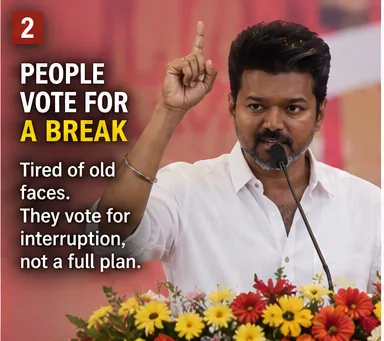
ඡන්දදායකයින් සෑම විටම සම්පූර්ණ සැලැස්මක් සඳහා ඡන්දය දෙන්නේ නැත.
සමහර වෙලාවට විවේකයකට ඡන්දය දෙනවා.
ඔවුන් ඡන්දය දෙන්නේ පැරණි මුහුණු දරාගත නොහැකි තත්ත්වයකට පත්ව ඇති නිසාය. ඔවුන් ඡන්දය දෙන්නේ සුපුරුදු කථා මළ බව ශබ්ද වන බැවිනි ඔවුන් ඡන්දය දෙන්නේ එකම පක්ෂ එය නාස්ති කිරීමෙන් පසු විශ්වාසය ඉල්ලා සිටීම දිගටම නිසාය.
ඒක මෝඩකම නෙවෙයි.
දේශපාලනය වැඩි කාලයක් තිස්සේ ඔවුන්ව කලකිරී ඇති විට මිනිසුන් හැසිරෙන්නේ එලෙසිනි.
විජේ ඡන්දදායකයින්ට පැරණි කාමරයෙන් විවේකයක් ලබා දුන්නේය. ඔහු ඔවුන්ට දැනටමත් දන්නා මුහුණක් දුන්නේය. ඔහු ඔවුන්ට තේරුම් ගත හැකි කතාවක් දුන්නේය. නැවත යමක් ගමන් කළ හැකි බව ඔහු ඔවුන්ට හැඟීමක් ඇති කළේය.
මේ හැඟීම ශ්රී ලංකාවද දන්නවා.
ඡන්දදායකයන් ප්රබලයින්, ප්රතිසංස්කරණවාදීන්, කැරලිකරුවන්, තාක්ෂණවේදීන්, පිටස්තර පුද්ගලයන් ලෙස මවා පාමින් අභ්යන්තරයන් සහ පැරණි අවුලෙන් දොරක් මෙන් බැලූ ඕනෑම අයෙකු වෙත හැරී යනවා අපි දැක ඇත්තෙමු.
පළමු පාඩම සරලයි: වෙහෙසට
පත් රටක් බාධා කිරීම සඳහා ඡන්දය දෙනු ඇත.
නමුත් බාධා කිරීම ආරම්භක දර්ශනය පමණි.
මේක මුළු චිත්රපටයම නෙවෙයි.
Why I Am Watching Vijay From Sri Lanka (3/12)
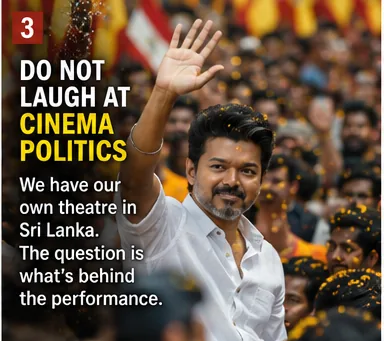
තමිල්නාඩුවේ සිනමා දේශපාලනය ගැන ශ්රී ලාංකිකයන් හිනා නොවිය යුතුය.
අපිට අපේම රඟහලක් තියෙනවා.
කොඩි, ගීත, යුද මතකයන්, ආගමික සිවුරු, පවුල් නම්, ගම් අවධීන්, රූපවාහිනී කතා, ශක්තිමත්ව ඉරියව්, අවමඟුල් දේශපාලනය, ගැලවුම්කාර කතා අපිට තියෙනවා.
සිනමාව යනු එක් ආකාරයක රඟපෑමක් පමණි.
දේශපාලනය සෑම තැනකම රංගනය භාවිතා කරයි. ප්රශ්නය වෙන්නේ නායකයෙක් ඉටු කරනවාද කියන එක නෙමෙයි. සියලුම නායකයෝ ඉටු කරති.
ප්රශ්නය වන්නේ රංගනය පිටුපස ශක්තිමත් යමක් තිබේද යන්නයි.
පෝස්ටර් එකක් මිනිස්සුන්ව බලන්නත් පුළුවන්.
කතාවකින් මිනිස්සුන්ට අත්පුඩි ගහන්න පුළුවන්.
ගීතයක් නිසා මිනිස්සු අඬන්න පුළුවන්.
සිනමා වීරයෙකුට මිනිසුන්ට බලාපොරොත්තු ඇති කරන්න පුළුවන්.
නමුත් ඒ කිසිවක් බිඳුණු පාසලක් නිවැරදි නොකරයි. ඒ කිසිවක් ණය නොගෙවයි. ඒ කිසිවක් දූෂිත කාර්යාලයක් අවංක නොකරයි. ඒ කිසිවක් ආහාර මිල අඩු නොකරයි.
රූපයට දොර විවෘත කළ හැකිය.
වැඩ පටන් ගන්නේ ඊට පස්සෙ.
Why I Am Watching Vijay From Sri Lanka (4/12)
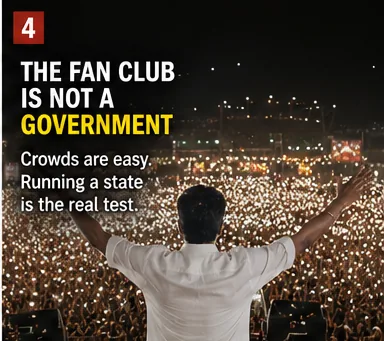
රසික සමාජයක් වේගයෙන් ගමන් කළ හැකිය.
පාරක් පුරවන්න පුලුවන්. එමඟින් නායකයා මාර්ගගතව ආරක්ෂා කළ හැකිය. එයට ක්ලිප් එකක් පැතිරවිය හැකිය. එය මිනිසෙකුට නොනවතින ලෙස පෙනෙන්නට පුළුවන.
හැබැයි රසික සමාජයක් කියන්නේ රජයක් නෙවෙයි.
ආණ්ඩුව මන්දගාමී වෙනවා. එය බරයි. එය අඩු ආකර්ෂණීය ය.
රජය යනු ලිපිගොනු, අයවැය, නිලධාරීන්, නීති, කොන්ත්රාත්, අධිකරණ, ටෙන්ඩර්, බදු, පාසල්, රෝහල්, බස් රථ, පොලිස් ස්ථාන, කෝපයට පත් ඡන්දදායකයන් සහ නියමිත පරිදි එන පොරොන්දු.
එතැනදී වීරයා බිත්තිය හමුවෙයි.
ෆිල්ම් එකක වීරයා දන්නවා විලන් කවුද කියලා.
ආණ්ඩුවේදී විලයා ප්රමාද වෙන්න පුලුවන්. නැතහොත් ණය. නැතහොත් නරක දත්ත. නැත්නම් කම්මැලි දෙපාර්තමේන්තුවක්. නැත්නම් දූෂිත මිත්රයෙක්. එහෙම නැත්නම් ඉතා පහසුවෙන් දුන් පොරොන්දුවක්.
විජේ ගේ සැබෑ පරීක්ෂණය වන්නේ මිනිසුන් ඔහුට ආදරය කරනවාද යන්න නොවේ ඒ නිසයි.
ඔවුන් දැනටමත් කරනවා.
පරීක්ෂණය වන්නේ ආදරය රැකියාවක් බවට පත් කළ හැකිද යන්නයි.
ඒක ගොඩක් අමාරුයි.
Why I Am Watching Vijay From Sri Lanka (5/12)
බලය ඉදිරියේ පොරොන්දු ලස්සනයි.
කාන්තාවන්ට උදව් උපාධිධාරීන්ට උදව් ලාභදායී ගෑස්. ණය. රැකියා. පිරිසිදු රජය නව කර්මාන්ත. තරුණ තරුණියන්ට හොඳ අනාගතයක්
කවුද මේ දේවල් අකමැති වෙන්නෙ?
ප්රශ්නය තමයි මිනිස්සු උදව් ඉල්ලීම නෙමෙයි. මිනිස්සුන්ට උදව් අවශ්යයි. පවුල්වලට සහන අවශ්යයි. තරුණ තරුණියන්ට වැඩක් අවශ්යයි. කාන්තාවන් දේශපාලනය බොහෝ විට නොසලකා හරින ආකාරවලින් ගෘහස්ථ ආර්ථිකය ගෙන යයි.
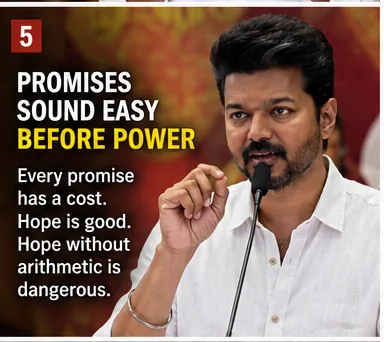
ගැටලුව වන්නේ සෑම පොරොන්දුවකටම වියදමක් තිබීමයි.
කවුරු හරි ගෙවන්න ඕන.
කවුරු හරි භාර දෙන්න ඕන.
කවුරු හරි හොරකම් නවත්වන්න ඕනේ.
කවුරුහරි මුලින්ම උදව් ලබන්නේ කවුද කියලා තීරණය කරන්න ඕනේ.
තවම කරන්න බැරි දේ කවුරු හරි පැහැදිලි කරන්න ඕන.
බොහෝ නායකයන් අසාර්ථක වන්නේ එතැනයි. ඔවුන් උද්ඝෝෂණයේදී කවීන් මෙන් කතා කරන අතර ජයග්රහණයෙන් පසු බියගුළු මෙන් ගණන් ගනී
.ලංකාව මේක හොඳින් දන්නවා.
මිල ටැග් නොමැතිව පොරොන්දු අපි අසා ඇත්තෙමු.
අපි ඒවාට පස්සේ ගෙව්වා.
බලාපොරොත්තුව හොඳයි.
අංක ගණිතය නොමැති බලාපොරොත්තුව භයානකයි.
Why I Am Watching Vijay From Sri Lanka (6/12)
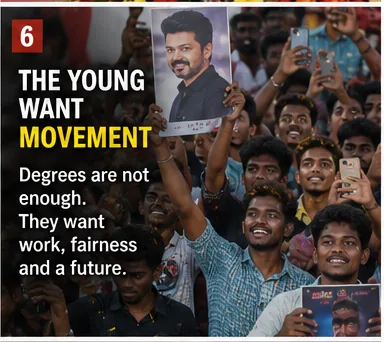
විජේ ගේ ආයාචනය දුප්පත් මිනිසුන් ගැන පමණක් නොව සුබසාධනය අවශ්ය වේ.
ඒ වගේම තමයි තරුණ තරුණියන්ට චලනය ඕන කියන එක.
යහපත් රැකියාවක් නොමැති නම් උපාධියක් ප්රමාණවත් නොවේ. අනාගතය තවමත් අවහිර වී ඇති බවක් දැනෙනවා නම් දුරකථනයක් නිදහස නොවේ. එකම තේරීම් බලයෙන් සිටින කෙනෙකු බලා සිටීම, පිටවීම හෝ සිඟමන් යැම නම් අධ්යාපනය ගරුත්වයක් නොවේ
.තරුණ ඡන්දදායකයින්ට අවශ්ය වන්නේ ජීවිතය ගමන් කළ හැකි බව හැඟීමයි.
ඔවුන්ට වැඩ අවශ්යයි. ඔවුන්ට සාධාරණත්වය අවශ්යයි. ඔවුන්ට අවශ්ය වන්නේ දූෂණය අඩුයි. ඔවුන්ට අවශ්ය වන්නේ ඔවුන්ගේ කාලය නාස්ති නොකරන රාජ්යයක්. ඔවුන්ට අවශ්ය වන්නේ ඔවුන්ගේ දෙමව්පියන් විඳදරාගත් ලෝකය පමණක් නොව තමන් ජීවත් වන ලෝකයට කතා කරන නායකයන්ය.
ශ්රී ලංකාව මේ කොටසට වඩාත් සමීපව ඇහුම්කන් දිය යුතුයි.
අපේ තරුණ තරුණියත් බලාගෙන ඉන්නවා. බොහෝ දෙනෙක් සුඛෝපභෝගී ඉල්ලන්නේ නැත. එයාලා ඉන්න හේතුවක් ඉල්ලනවා.
ඒ නිසයි අලුත් නායකයන්ට ඉක්මනින් නැගිටින්න පුළුවන්.
පරණ දේශපාලනයට ව්යාපාරය ඉදිරිපත් කරන්න බැරි වෙලාවක මිනිස්සු පුළුවන් අලුත් මුහුණුවරක් හොයනවා.
නමුත් මුහුණක් යනු අනාගතයක් නොවේ.
අනාගතයක් ගොඩනඟා ගත යුතුයි.
Why I Am Watching Vijay From Sri Lanka (7/12)
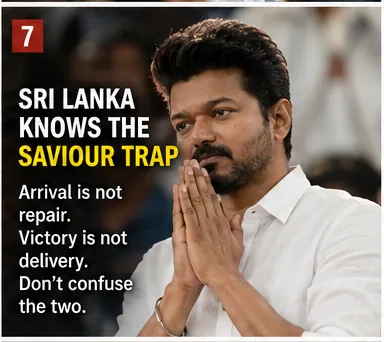
ශ්රී ලංකාව ගැලවුම්කාර උගුල දන්නවා.
නායකයන් බේරාගන්නන් ලෙස පැමිණෙනු දක්නට ලැබුණි. මිනිසුන් එක් පුද්ගලයෙකු මතට විනය, යුක්තිය, අවංකභාවය, ශක්තිය, දේශප්රේමය හෝ කරුණාව තබනු අප දැක ඇත්තෙමු.
ටික වෙලාවක් නම් හොඳයි කියලා හිතෙනවා.
පැරණි නියෝගය බියෙන් පෙනේ. පිරිස ජීවතුන් අතර සිටින බවක් දැනෙනවා. රටට දැනෙන්නේ පිටුවක් හැරිලා වගේ.
නමුත් පිටුවක් යනු පද්ධතියක් නොවේ.
නව නායකයෙකුට පැරණි මනෝභාවයට දඬුවම් දිය හැකිය. එයින් අදහස් කරන්නේ ඔහුට වඩා හොඳ එකක් හදන්න පුළුවන් කියලා නෙවෙයි.
අලුත් මුහුණක් පිරිසිදු පෙනෙන්න පුළුවන්. එයින් අදහස් කරන්නේ ඔහු යටතේ ඇති කාර්යාල පිරිසිදු වේ.
නායකයෙකුට සාමාන්ය මිනිස්සු වෙනුවෙන් කතා කරන්න පුළුවන්. ඒ කියන්නේ සාමාන්ය මිනිස්සුන්ට ප්රතිඵල ලැබෙයි කියලා නෙවෙයි.
මේක තමයි උගුල.
අලුත්වැඩියා කිරීම සමඟ පැමිණීම අපි ව්යාකූල කරමු.
අපි ජයග්රහණය බෙදා හැරීම සමඟ ව්යාකූල කරමු.
වැඩ කරන රටක උපත සමඟ පැරණි විලයන්ගේ වැටීම අපි පටලවා ගනිමු.
ඒ නිසා තමයි විජේ ගේ කතාව අපිට වැදගත් වෙන්නේ.
මීට කලින් අමාරු ප්රශ්න අහන්න කියලා ලංකාවට මතක් කරනවා.
Why I Am Watching Vijay From Sri Lanka (8/12)
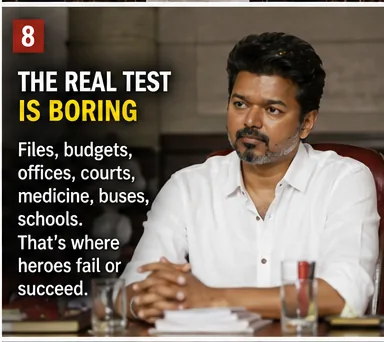
විජේ ගේ සැබෑ පරීක්ෂණය රැලිය නොවේවි.
එය නීරස දේවල් වනු ඇත.
ඔහුට හොඳ මිනිසුන් තෝරා ගත හැකිද?
එයාට තමාගේ පැත්ත පාලනය කරන්න පුළුවන්ද?
නරක යාළුවන්ට එපා කියන්න පුළුවන්ද?
ඔහුට රාජ්යයට හානි නොකර පොරොන්දු ඉටු කළ හැකිද?
හැමෝම සතුරෙක් ලෙස හඳුන්වන්නේ නැතිව ඔහුට විවේචන හැසිරවිය හැකිද?
ඔහුට කාර්යාල වැඩ කරන්න පුළුවන්ද?
පළමු අවුරුද්දෙන් පසු තරුණ ඡන්දදායකයන් බලාපොරොත්තු සහගතව තබා ගැනීමට ඔහුට පුළුවන්ද?
ඔහුට මහජන ආදරය රාජ්ය සේවයක් බවට පත් කළ හැකිද?
එතැනදී තමයි දේශපාලනය සැබෑ වෙන්නේ.
පිරිස අගය කිරීමට පහසුය. පද්ධති හදන්න අමාරුයි.
බෙහෙත් පැමිණීම, බස් ධාවනය, පාසල් විවෘත කිරීම, පොලිසිය හැසිරීම, උසාවි ගමන් කිරීම, මුදල් ගණන් කිරීම, කොන්ත්රාත් බලාගෙන සිටීම සහ නීති රීති දුර්වලයන්ට පමණක් නොවන බව පුරවැසියන්ට හැඟීම වැනි දේවල් හොඳින් කළ නීරස දේවල් මගින් රටක් ජීවතුන් අතර තබා ගනී.
වීරයා කම්මැලි වැඩ ඉගෙන ගත යුතුයි.
එහෙම නැත්නම් වීරයා තවත් මතකයක් බවට පත් වෙනවා.
Why I Am Watching Vijay From Sri Lanka (9/12)
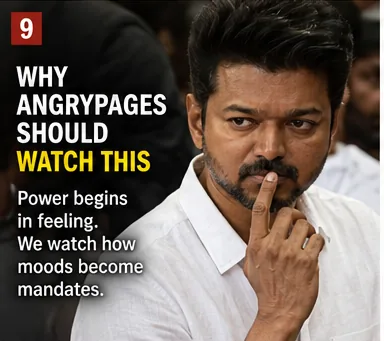
Angry Pages රඳවා ගත යුතු කතාවක් මෙයයි.
ඒක එක මැතිවරණයක් ගැන නෙමෙයි.
මොකද බලය ගැන මොකක් හරි උගන්වනවා.
බලය පටන් ගන්නේ පාර්ලිමේන්තුවේ විතරක් නෙමෙයි. එය ආරම්භ වන්නේ හැඟීමෙනි. ඒක පටන් ගන්නේ මතකයෙනි. එය ගීත, මුහුණු, කෝපය, විහිළු, චිත්රපට, පොරොන්දු, තුවාල සහ බලාපොරොත්තුවෙන් ආරම්භ වේ.
මිනිස්සු ඡන්දය ප්රකාශ කරන කාලය වන විට ඒ කතාව දැනටමත් ඔවුන් ඇතුළේ පිහිටලා තියෙනවා.
AngryPages වැදගත් වන්නේ එබැවිනි.
අපි බලන්නේ නායකයන් විතරක් නෙමෙයි. අපි බලනවා මිනිස්සු විශ්වාස කරන්නේ කොහොමද කියලා. අපි බලන්නේ මහජන මනෝභාවයක් ඇති කරන ආකාරයයි. පෞද්ගලික කලකිරීම දේශපාලන රැල්ලක් බවට පත්වන ආකාරය අප නරඹමින් සිටිනවා.
විජේ ගේ නැගීම ප්රයෝජනවත් වන්නේ දේශපාලනය සීතල නොවන බව පෙන්වන බැවිනි.
එය මනුෂ්යයයි.
ජනතාවට අවශ්ය වන්නේ ප්රතිපත්ති පත්රිකාවක් පමණක් නොවේ. කාමරය වෙනස් විය හැකි යැයි විශ්වාස කිරීමට ඔවුන්ට හේතුවක් අවශ්ය වේ.
නමුත් විශ්වාසය ප්රමාණවත් නොවේ.
හොඳම දේශපාලන ප්රශ්නය තවමත් සරලයි: සැ
බෑ ජීවිතයේ වෙනස් වන්නේ කුමක්ද?
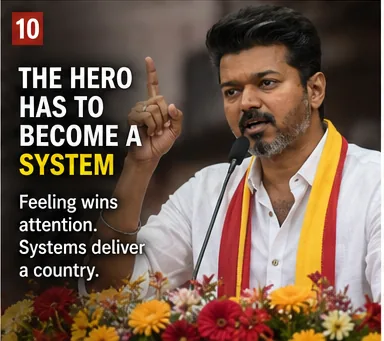
Why I Am Watching Vijay From Sri Lanka (10/12)
මම දිගටම ආපහු එන රේඛාව මෙයයි:
වීරයා ක්රමයක් බවට පත් වෙන්න ඕන.
වීරයෙකුට හැඟීම් එකතු කරන්න පුළුවන්.
පද්ධතියක් ලබා දිය යුතුය.
වීරයෙකුට මිනිස්සු විශ්වාස කරන්න පුළුවන්.
පද්ධතියක් ජීවිතය ක්රියාත්මක කරන්න ඕන.
වීරයෙකුට දූෂණයට විරුද්ධව කතා කරන්න පුළුවන්.
ක්රමයක් දූෂණය අමාරු කරගන්න ඕන.
වීරයෙකුට රැකියා පොරොන්දු වෙන්න පුළුවන්.
රැකියා සඳහා අවශ්ය කොන්දේසි නිර්මාණය කළ යුතු ක්රමයකි.
වීරයෙකුට සාමාන්ය මිනිසුන් සමඟ සිටිය හැකිය.
ආහාර, ඉන්ධන, පාසල, බෙහෙත්, ප්රවාහන, උසාවි, වැඩකටයුතු වඩාත් දරාගත හැකි ක්රමවේදයක් ඇති කර ගැනීමට තිබේ.
ඒ නිසා තමයි මම විජේ ලංකාවේ සිට නරඹන්නේ.
රසිකයෙක් විදිහට නෙවෙයි.
වෛරකරුවෙක් විදිහට නෙමෙයි.
මහජන මනෝභාවයක් බලයට පත් වූ විට සිදුවන්නේ කුමක්දැයි තේරුම් ගැනීමට උත්සාහ කරන කෙනෙක් ලෙස.
ට්රේලර් එක ඉවරයි.
පිරිස මහජනයා බවට පත් වී ඇත.
දැන් වීරයාට පාලනය කරන්න ඕනේ.
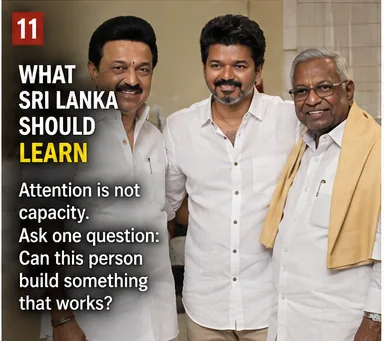
Why I Am Watching Vijay From Sri Lanka (11/12)
විජේ සාර්ථක වෙයිද නැතිනම් අසාර්ථක වේද යන්න පමණක් ශ්රී ලංකාවෙන් විමසිය යුතු නැත.
ඔහුගේ නැගිටීම අපට උගන්වන්නේ කුමක්දැයි අප විමසිය යුතුය.
ඡන්දදායකයින්ට තවමත් චිත්තවේගීය නායකත්වයක් අවශ්ය බව එය අපට උගන්වයි.
මහජනයා නව යාත්රාවක් සොයා ගන්නා තුරු පැරණි පක්ෂ ස්ථිර ලෙස බැලිය හැකි බව අපට උගන්වයි.
සංස්කෘතියට නිල කථාවලට වඩා වේගයෙන් දේශපාලනය ගෙන යා හැකි බව අපට උගන්වයි.
එය අපට උගන්වන්නේ තරුණ ඡන්දදායකයන් විස්තර කිරීමට පෙර නැවුම්භාවය තෝරා ගත හැකි බවයි.
එදිනෙදා ජීවිතයට අනාරක්ෂිත බවක් දැනෙන විට සුබසාධන පොරොන්දු තවමත් වැදගත් බව එය අපට උගන්වයි.
පැරණි ක්රමය ආරක්ෂා කරන බව ජනතාව විශ්වාස කරන විට දූෂණ විරෝධී භාෂාව තවමත් බලය ඇති බව අපට උගන්වයි.
ඒත් අනතුර ගැන උගන්වනවා.
අවධානය යනු ධාරිතාව නොවේ.
පිරිස ආණ්ඩුවක් නෙමෙයි.
මනෝභාවය යනු සැලැස්මක් නොවේ.
අලුත් මුහුණක් කියන්නේ අලුත් රාජ්යයක් නෙවෙයි.
ලංකාව ආයෙත් මේකට මුහුණ දෙනවා. අලුත් මිනිස්සු නැගිටිනවා. අලුත් සටන් පාඨ එනවා. නව වේදිකා දිස්වනු ඇත. සමහරක් ප්රයෝජනවත් වනු ඇත. සමහරු හිස් වේවි.
මහජනයා එක් ප්රශ්නයක් ඇසිය යුතුයි: මේ
පුද්ගලයාට වැඩ කරන දෙයක් ගොඩනඟන්න පුළුවන්ද?
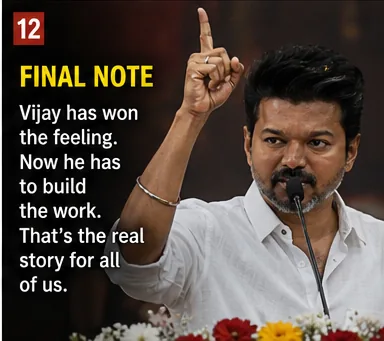
Why I Am Watching Vijay From Sri Lanka (12/12)
හන විජේ ගේ නැගීම කුඩා තමිල්නාඩු කතාවක් ලෙස මා දකින්නේ නැහැ.
එය අප වටා ඇති විශාල රටාවක කොටසක් ලෙස මම දකිමි.
මිනිස්සු මහන්සි වෙලා ඉන්නේ කාමරවලින්. ඔවුන්ට අවශ්ය වන්නේ නැවුම් මුහුණු. ඔවුන්ට විවේකයක් අවශ්යයි. ඔවුන්ට අවශ්ය වන්නේ සැබෑ ජීවිතයට සමීප යැයි හැඟෙන නායකයන්. ඒ අයට ඕන කෙනෙක් අහංකාරයට දඬුවම් කරලා දොරක් ඇරලා දෙන්න කියලා
.ඒ ආශාව තේරුම්ගත හැකිය.
නමුත් ඊළඟ අදියර අමාරුයි.
ජයග්රාහී කථාවෙන් පසුව, ලිපිගොනුව තිබේ.
පිරිසෙන් පස්සේ තමයි අයවැය තියෙන්නේ.
සටන් පාඨයෙන් පසුව, දෙපාර්තමේන්තුව ඇත.
වීර ප්රතිරූපයෙන් පසු ආයතනය පවතී.
එතැනදී තමයි කතාව බරපතළ වෙන්නේ.
ලංකාවට නම් පාඩම කියන්නේ සිනමා දේශපාලනය මෝඩ බව නෙමෙයි.
පාඩම තමයි හැම දේශපාලනයකටම රඟපෑමක් තියෙන්නෙ.
සැබෑ ප්රශ්නය වන්නේ රඟහලට වැඩ කරන රාජ්යයක් බිහි කළ හැකිද යන්නයි.
එසේ නොකළහොත් මහජනයා එක් සිහිනයකින් තවත් බලාපොරොත්තු සුන්වීමක් බවට අවදි වේ.
විජේ ඒ හැඟීම දිනා ගත්තා.
දැන් එයාට වැඩේ හදන්න ඕන.
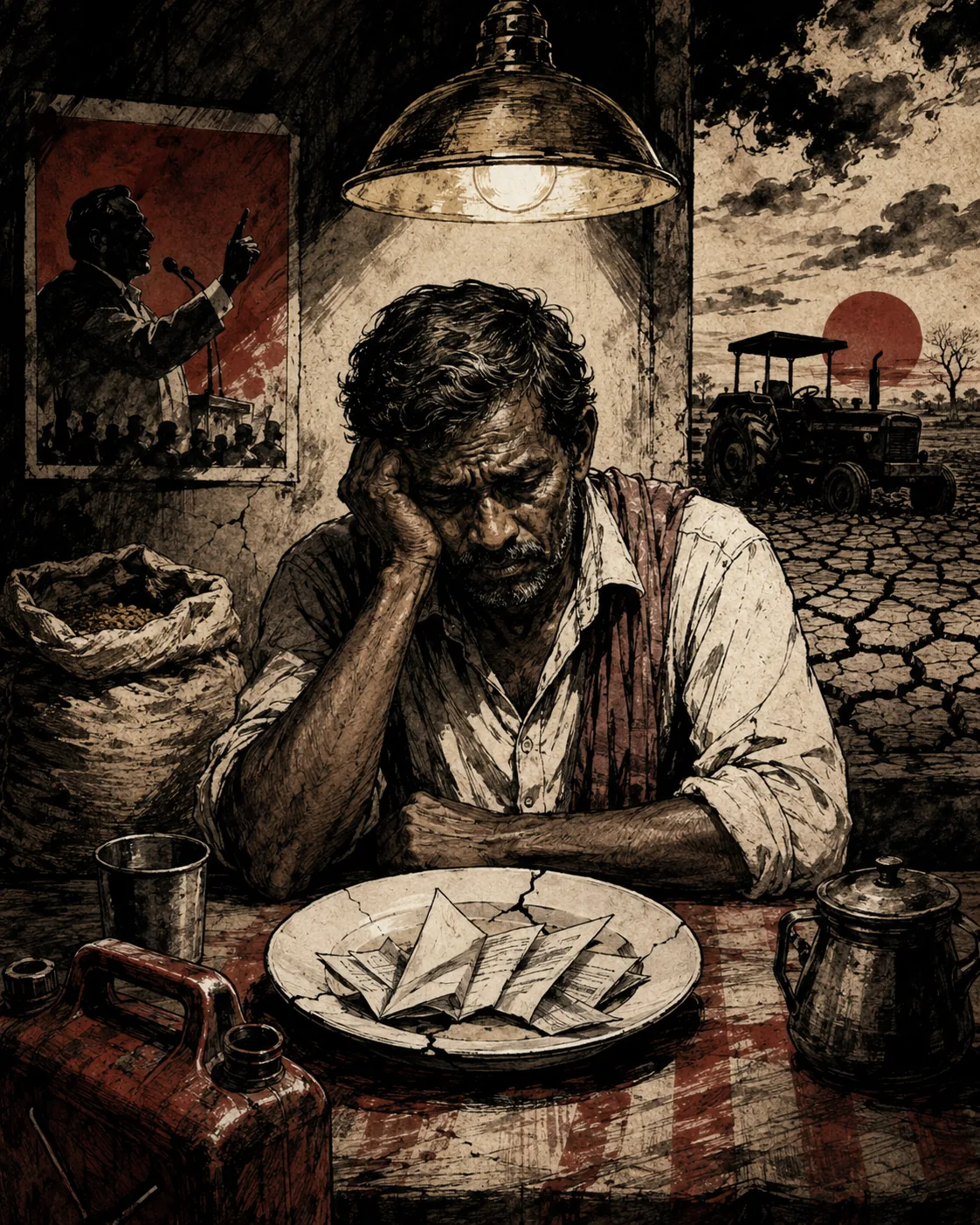
The Bill Comes Due
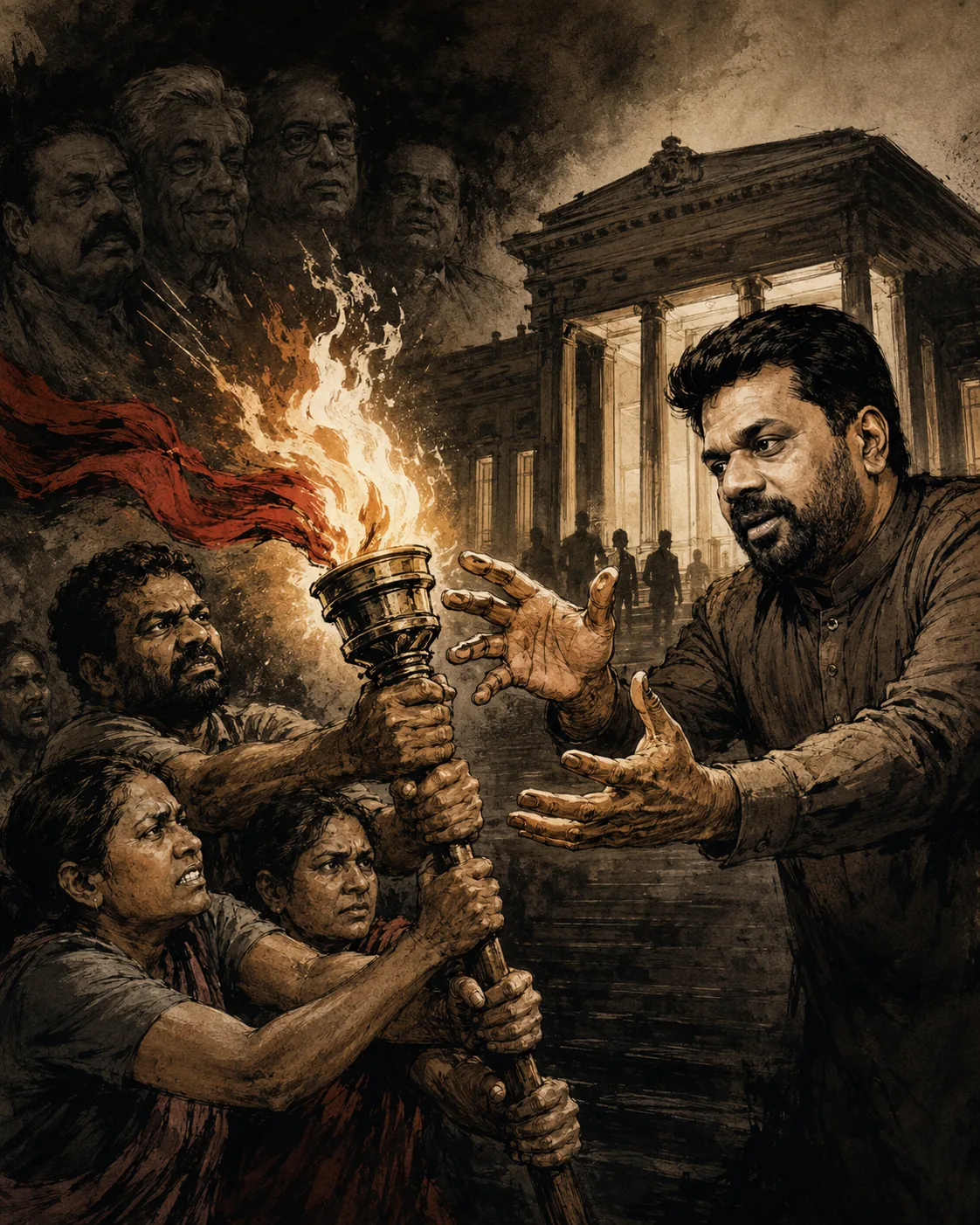
Vishwamithra’s article is aimed at AKD and the NPP, but the real target is bigger than one government. It is aimed at the dangerous little habit Sri Lanka has of turning public pain into campaign property. Aragalaya was not a logo. It was not a slogan. It was not an election backdrop. It was not a convenient moral costume for the next group of rulers to wear while asking everyone else to wait. People did not stand in queues, cook in darkness, watch their savings rot, march under fear, and shout a president out of office so that a new political class could learn the old trick with better vocabulary. The article says the country began a “journey of correction and transformation.” Fine. Then correct. Then transform. Do not inherit the fire and sell the ashes as progress.
The Bill Comes Due (2/12)
ලිපිය අවසන් වන්නේ “අරගලය-22 මහිමය ප්රතික්ෂේප නොකළ යුතුය” යනුවෙන් අනතුරු ඇඟවීමකින් ය. එම රේඛාව වැදගත් වන්නේ මහිමය පසු පැමිණි ජනතාවට අයිති නොවන බැවිනි. බලය බිය කරපු පුරවැසියන්ට අයිති. සිංහාසනය යකඩ වලින් සාදා නොගත් බව එක් කෙටි සමයක් තිස්සේ සොයාගත් මිනිසුන්ට අයිති ය. එය මහජන අවසරය මතය. හැම ආණ්ඩුවක්ම වෛර කරන කොටස එයයි. ජනතාවට අවසර ඉල්ලා අස්කර ගත හැකිය. මහජනයාට මතක ඇති. මහජනයාට කියන්න පුළුවන්: නෑ, අපේ නැගිටීම ඔබේ සැරසිලි ලෙස භාවිතා කිරීමට ඔබට ලැබෙන්නේ නැහැ. දැන් AKD සහ NPP සඳහා වන අනතුර එයයි. එම පැරණි ජාතික වෙහෙස නිසා පිරිසිදු පෙනුමක් ඇති කළමනාකරණ සමාගමක් බවට පත්වීමට ඔවුන් තේරී පත් නොවීය. ඔවුන් තේරී පත්වූයේ මිනිසුන්ට වෙනස් සම්මතයක් අවශ්ය වූ නිසාය. වෙනස්ම ඇක්සෙන්ට් එකක් නෙවෙයි. වෙනස්ම පෝස්ටර් එකක් නෙවෙයි. එකම උණුසුම් පුටු වල වාඩි වී සිටින පක්ෂපාතීන් වෙනස් කට්ටලයක් නොවේ. වෙනස් ප්රමිතියක්.
The Bill Comes Due (3/12)
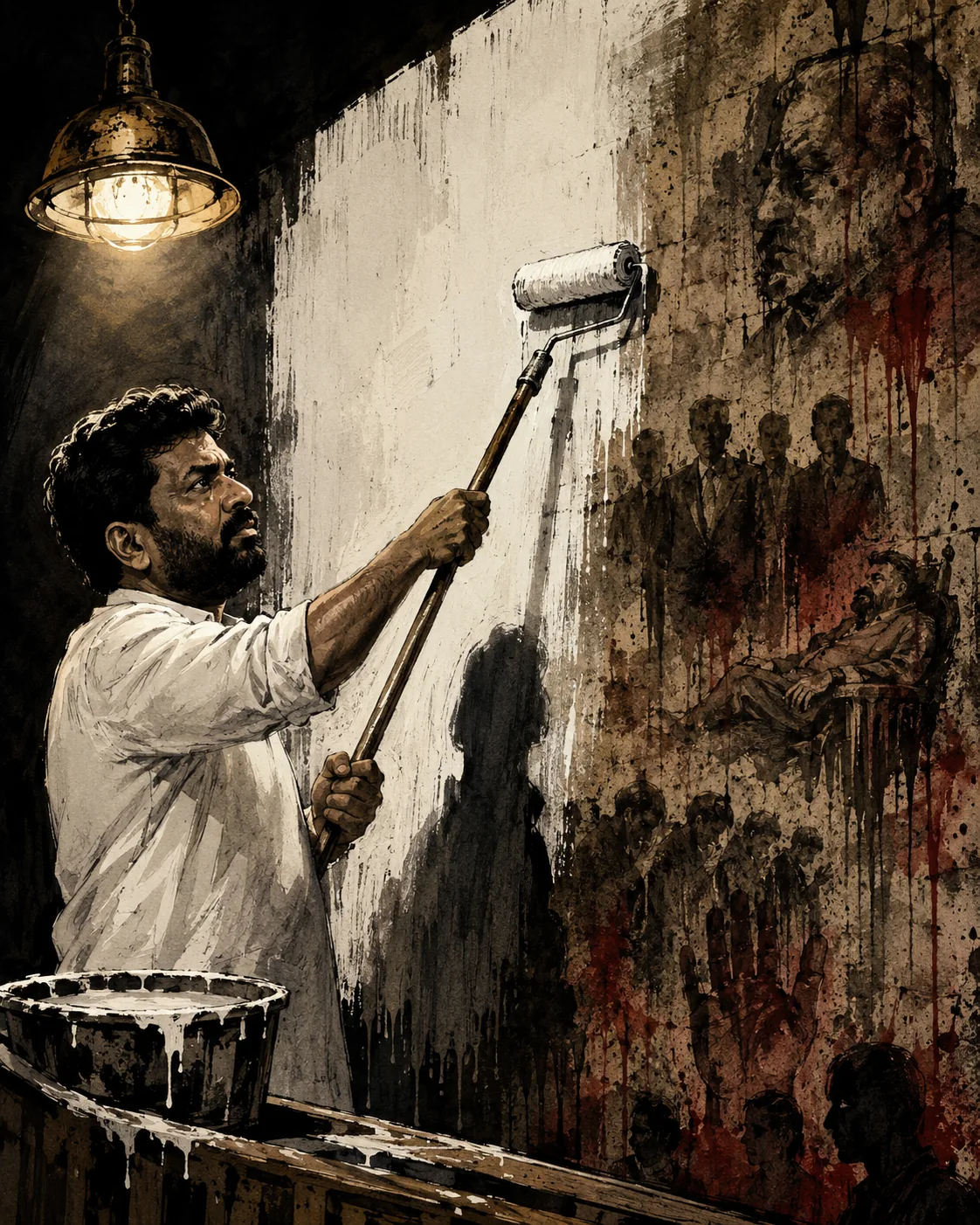
දැන් අනතුර වන්නේ මිනිසුන් පරිපූර්ණත්වය අපේක්ෂා කිරීම නොවේ. මේක කම්මැලි ආරක්ෂාවක්. මාස දහඅටකින් කිසිවෙක් බැරෑරුම් ලෙස පාරාදීසය බලාපොරොත්තු සඳුදා වන විට ආර්ථිකය ස්විට්සර්ලන්තය බවට පත්වනු ඇතැයි කිසිවෙකු බලාපොරොත්තු සෑම අධිකරණ නඩුවක්ම, සෑම ලිපිගොනුවක්ම, සෑම ණය මුදලක්ම, සෑම පාසලක්ම, සෑම රෝහලක්ම, සෑම ගොවිපලක් සහ සෑම දෙපාර්තමේන්තුවක්ම එක රැයකින් ස්ථාවර වනු ඇතැයි කිසිවෙකු බලාපොරොත්තු නොවීය. මිනිස්සු ඒ තරම් මෝඩයෝ නෙමෙයි. අනතුර සීතලයි. මිනිසුන් වෙනස් සදාචාරාත්මක උෂ්ණත්වයක් අපේක්ෂා කළහ - සහ සෙමින් සෙමින් වෙනත් වාග් මාලාවක් පමණක් සොයා ගත හැකිය. සාමාන්යයෙන් ශ්රී ලංකාව තුළ දේශපාලන පාවාදීම් ආරම්භ වන්නේ එලෙසිනි. පළමුවෙන්ම වචන වෙනස් වෙනවා. ඊට පස්සේ නිදහසට කරුණු ආවේ. එවිට පත්වීම් “අවශ්ය” බවට පත් වේ. එවිට නිහඬතාවය “උපායමාර්ගික” බවට පත් වේ. එවිට ප්රමාදය “වගකිව යුතු” බවට පත් වේ. එවිට පක්ෂපාතීන් පවසන්නේ: ඔවුන්ට කාලය දෙන්න. එවිට රට උනන්දුව වහනය වන අතරතුර සෑම පාලකයෙකුම ඉල්ලන දේ හරියටම කාලය බව මහජනතාව වටහා ගනී. මේක පැරණි ශ්රී ලාංකික මැජික් උපක්රමයයි. භාෂාව වෙනස් කරන්න පුරුදු තියාගන්න.
The Bill Comes Due (4/12)
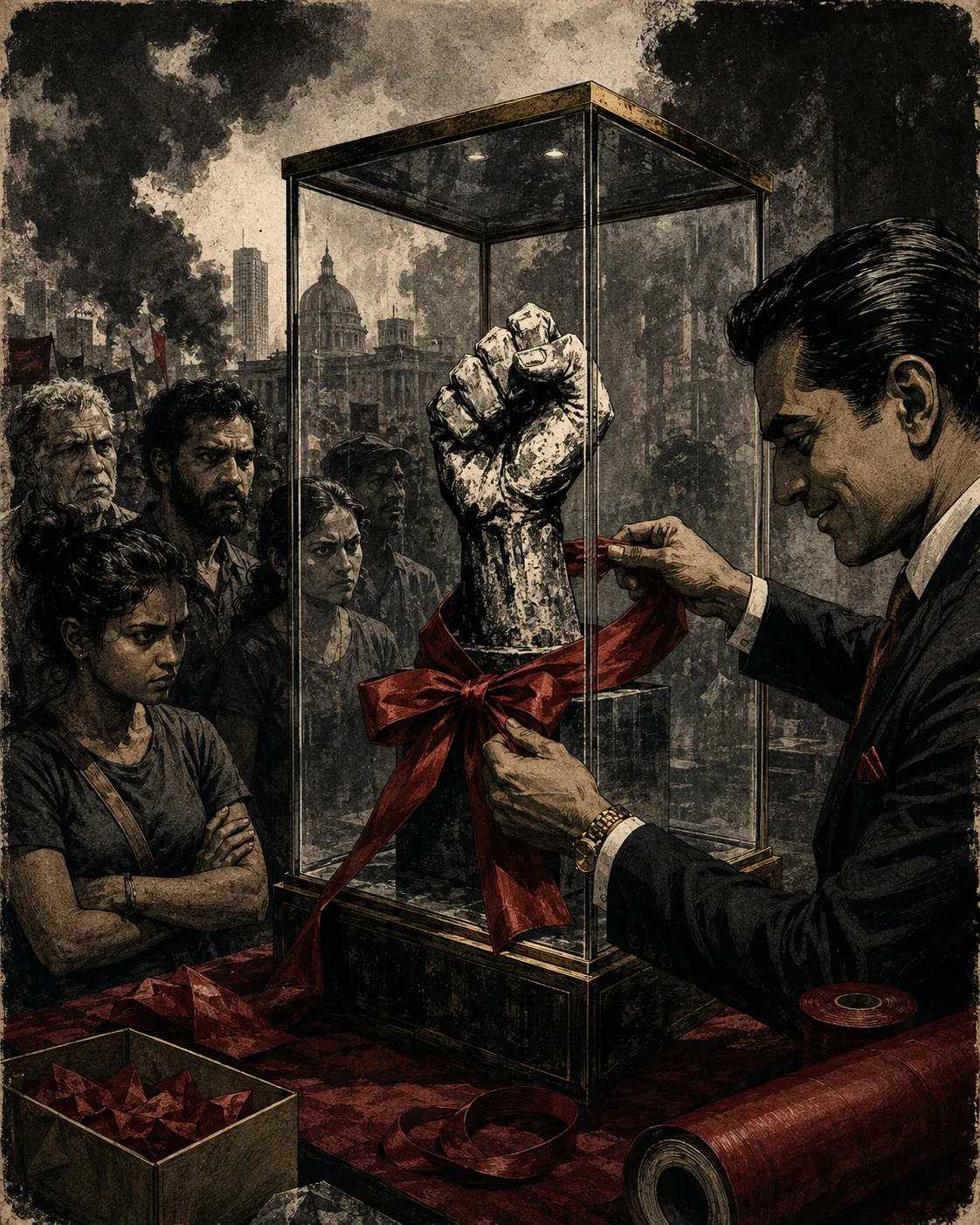
අරගලයා හුදෙක් රාජපක්ෂ විරෝධී නොවීය. ඒක තමයි ලාභ අනුවාදය. ගැඹුරු ඉල්ලුම වූයේ මෙයයි: මහජන බලය පෞද්ගලික දේපළ මෙන් හැසිරීම නතර කළ යුතුය. ඔබේ කැමති පක්ෂය ජයග්රහණය කරන විට එම ප්රමිතිය කල් ඉකුත්වන්නේ නැත. එය රාජපක්ෂවරුන්ට අදාළ වේ. එය රනිල්ට අදාළ වේ. එය AKD සඳහා අදාළ වේ. එය NPP සඳහා අදාළ වේ. අමාත්යවරුන්, ලේකම්වරුන්, පොලිසිය, භික්ෂූන් වහන්සේලා, විනිසුරුවන්, රාජ්ය සභාපතිවරුන්, මිතුරන්, අරමුදල් සපයන්නන්, ක්රියාකාරීන් සහ ඉතිහාසය තමන්ට සාමාර්ථයක් ලබා දී ඇතැයි සිතන සෑම අලුතින් ශුද්ධ වූ පුද්ගලයෙකුටම එය අදාළ වේ. කාටවත් රාජ්ය බලයට පුද්ගලික පිවිසුමක් ලැබෙන්නේ නැහැ. කවුරුවත් කියන්න ලැබෙන්නේ නැහැ: දූෂණය ඔවුන් එය කළ විට නපුරු විය, අප එය කරන විට සංකීර්ණ, සහ ඔබ ඒ ගැන විමසූ විට කඩාකප්පල් විය. ඒක තමයි රේඛාව. පරණ නියෝගයට නඩු පවරන්න ඕන නම් එන්පීපී එකට නඩු දාන්න ඕන නම් හොඳයි. නමුත් එම ආලෝකය නව අනුපිළිවෙල මත වැටිය යුතුය. එහෙම නැත්නම් ඒක සාධාරණයක් නෙවෙයි. එය ප්රතිචක්රීකරණය කිරීමයි.
The Bill Comes Due (5/12)
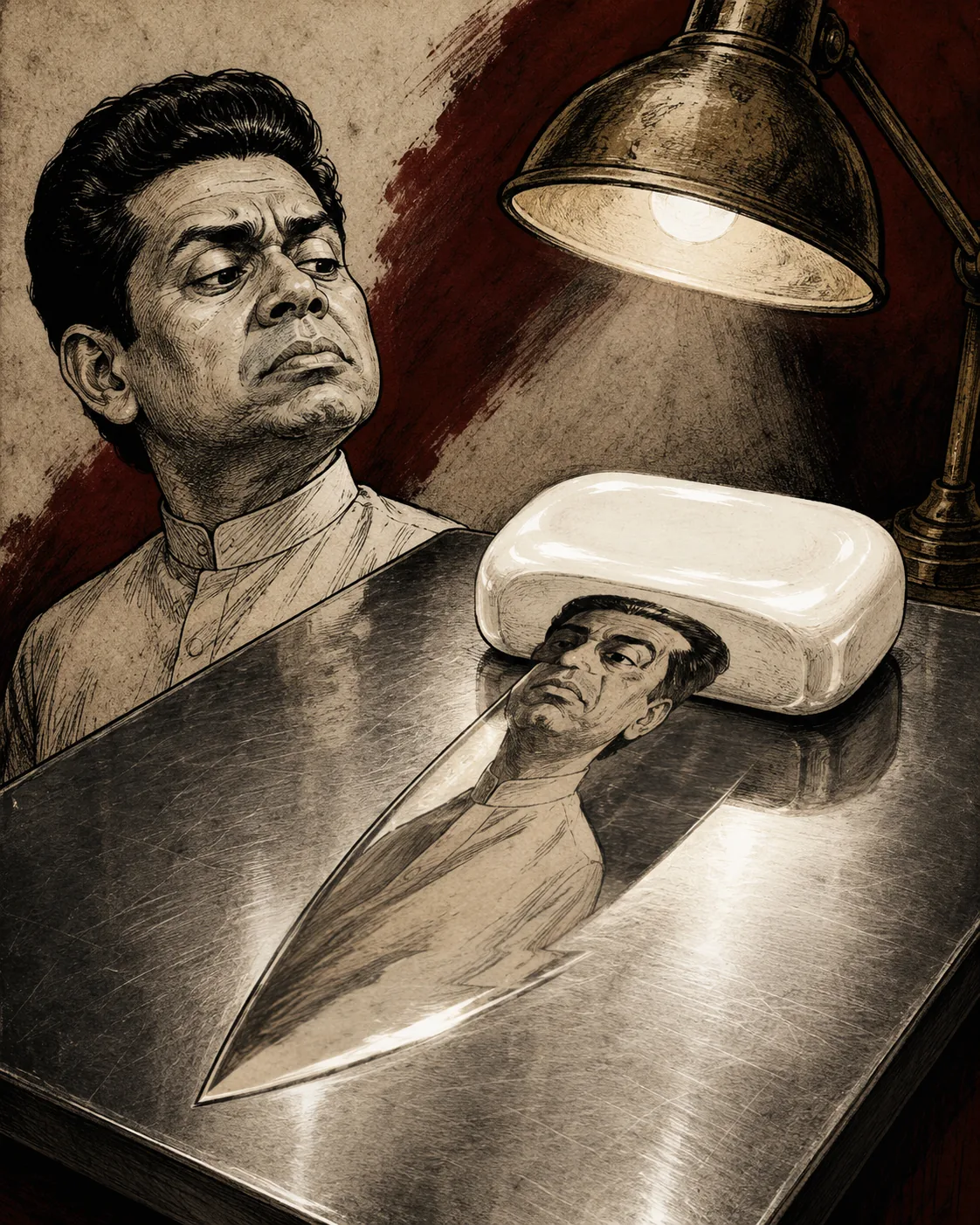
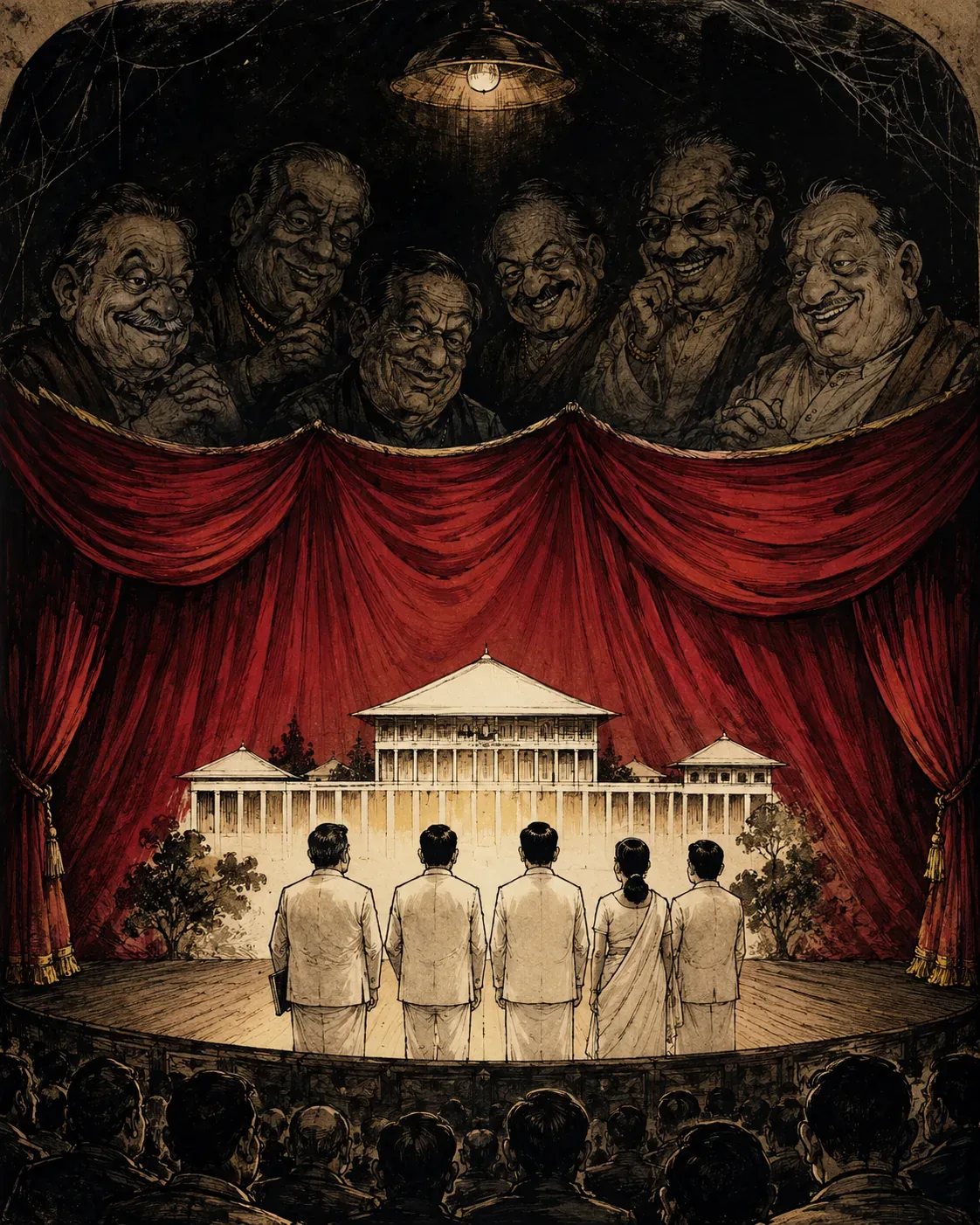
එම ලිපිය NPP හි පූර්ව මැතිවරණ ඉරියව්ව “පූරිටනිකමය” ලෙස හඳුන්වයි. ඒ තමයි පාරිශුද්ධත්ව දේශපාලනයේ ඇති ගැටලුව. එය ජය ගන්නේ එය පිරිසිදුව ඇති බවක් නිසාය. එවිට එය පාලනය කරයි, සහ පිහිය වටේ හැරී යයි. ඔබ සැදැහැවතුන් මෙන් උද්ඝෝෂණය කළහොත් සාමාන්ය ක්රියාකරුවන් මෙන් පාලනය කර මිනිසුන් සුවඳ දුටු විට කම්පනයට පත් ව ක්රියා කළ නොහැකිය. NPP කියමින් බලයට ආවේ නැහැ: අපි විතරයි තවත් පක්ෂයක්, කරුණාකර ඔබේ බලාපොරොත්තු අඩු කරන්න. නෑ. ඒවා ආවේ සදාචාරාත්මක නිවැරදි කිරීමයි. ඒවා ආවේ විගණන විදිහට. ඔවුන් පැමිණියේ ෆයිල් ආරම්භක පිතිකරුවන් ලෙසය. ඔවුන් පැමිණියේ අහංකාරයේ දඬුවම ලෙසය. ඔවුන් පැමිණියේ අපිරිසිදු කාමරයේ අවසානය ලෙසය. එබැවින් දැන් ඔවුන් සක්රිය කළ ආලෝකය යටතේ ජීවත් විය යුතුය. එය අසාධාරණ නොවේ. ඒ තමයි කොන්ත්රාත්තුව. ඔබ සබන් ලෙස විකුණන්නේ නම්, ජලය තවමත් දුඹුරු පැහැය ඇයි දැයි මිනිසුන් අසන විට පැමිණිලි නොකරන්න.
The Bill Comes Due (6/12)
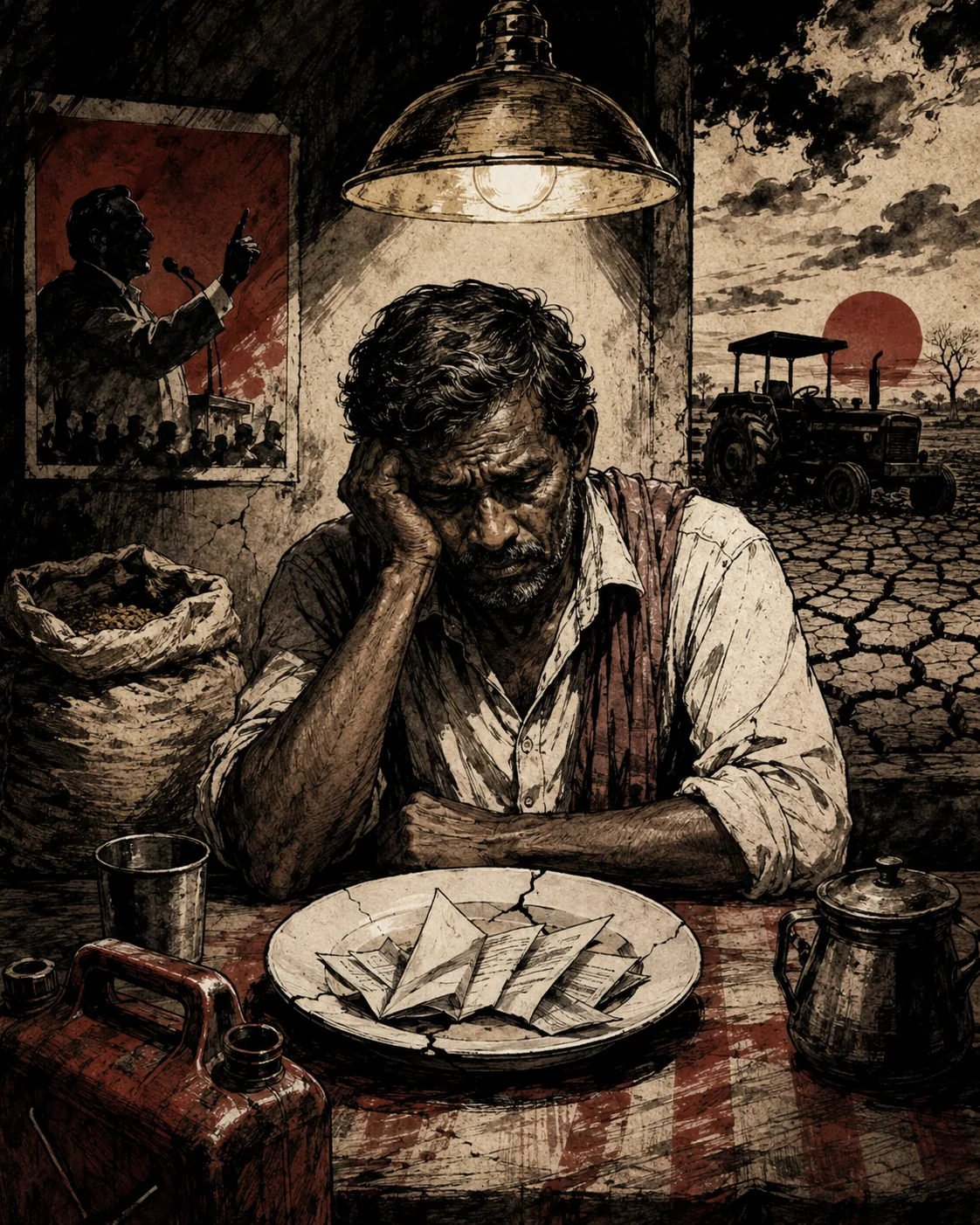
ලිපිය නිවැරදියි තර්කය ආපහු බිමට ඇදගෙන යාම නිවැරදියි. සාමාන්ය ඡන්දදායකයා ජිවත් වන්නේ චින්තක ටැංකි පත්රිකාවක් ඇතුළත නොවේ. ඉන්ධන මිල, ඩීසල්, පොහොර, ප්රවාහන, ආහාර, ණය, පාසල් වියදම්, වෛද්ය බිල්පත් සහ දිවි නසා ගැනීමේ දෛනික අපහාසය ඇතුළේ ඔහු ජීවත් වෙනවා. ගොවියෙක් කතා කන්නේ නැහැ. අම්මා කෙනෙක් ප්රතිසංස්කරණ භාෂාවෙන් උයන්න නෙමෙයි. බස් රියදුරෙකු ධාවනය කරන්නේ සදාචාරාත්මක වරමක් මත නොවේ. දූෂණ විරෝධී රංගන ශිල්පිනියක් සමග සාප්පු හිමියෙක් කුලී ගෙවන්නේ නැහැ. ආණ්ඩු මැරෙන්නේ මෙතැනයි: මහා න්යාය තුළ නොව මුළුතැන්ගෙයි. පෙට්රල්. ඩීසල් සහල්. බිත්තර. ගෑස් වෛද්ය විද්යාව. පාසල් සපත්තු පොහොර. ප්රවාහනය. විදුලිය. මේවා කුඩා දේවල් නෙවෙයි. මේවා ජනරජයයි. සාමාන්ය ජීවිතයේ මිල දරාගත නොහැකි තත්ත්වයට පත් වූ විට සෑම සටන් පාඨයක්ම දැනටමත් කෑව සිටි අයෙකු විසින් පැවසූ විහිළුවක් මෙන් ශබ්ද වීමට පටන් ගනී.
The Bill Comes Due (7/12)
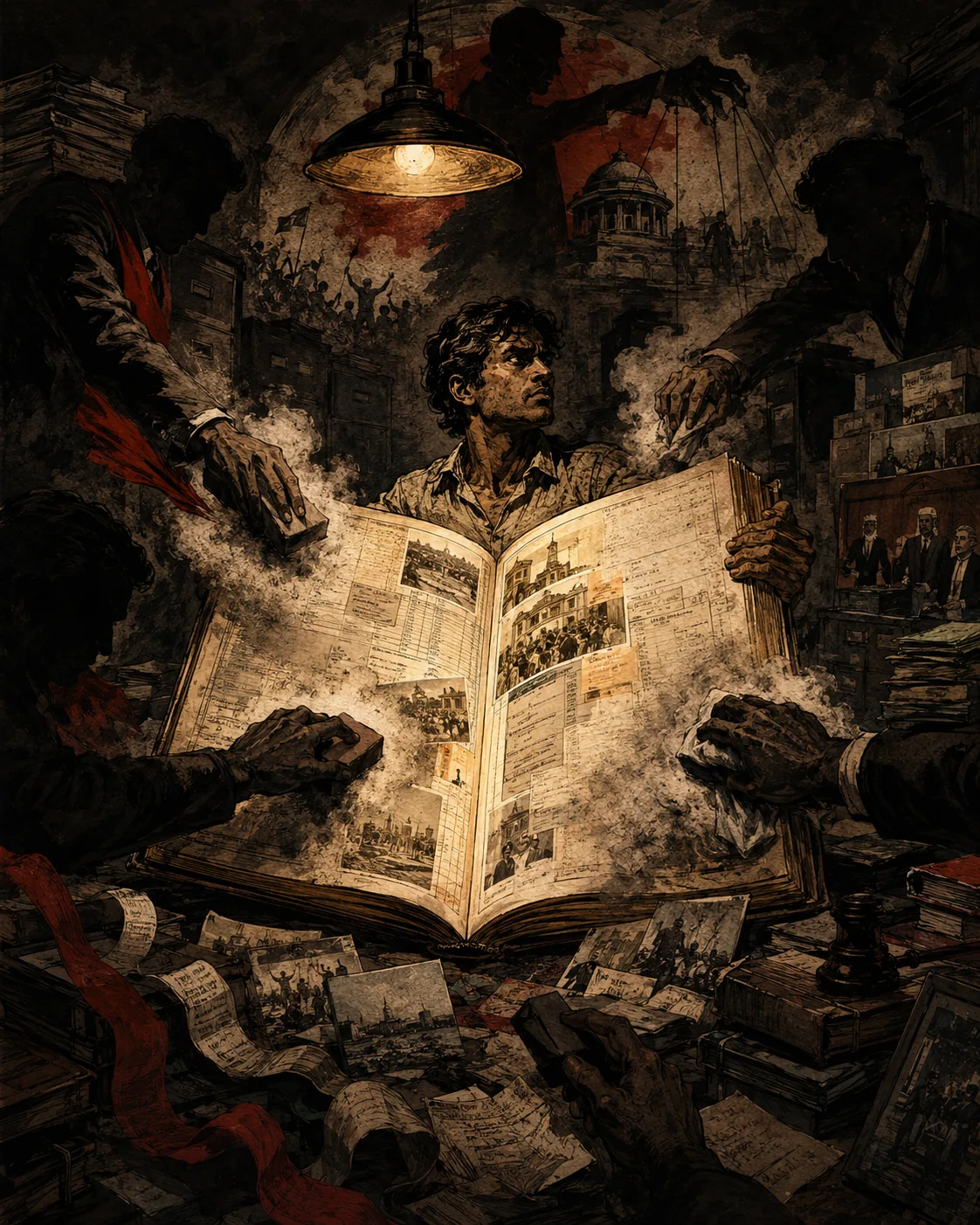
ඡන්දදායකයාගේ මතකය කෙටි බව එම ලිපියේ සඳහන් වේ. එය අර්ධ වශයෙන් සත්යයකි. නමුත් මතකයද ඝාතනය කෙරේ. එය ඝාතනය කරනු ලබන්නේ ප්රචාරණයෙනි. එය ඝාතනය කරනු ලබන්නේ කම්මැලිකමෙන්. එය නව වංචාවලින් ඝාතනය කෙරේ. එය ඝාතනය කරනු ලබන්නේ පක්ෂ පිරිස් කරුණු ගැන කෑ ගැසීම නිසා ය. එය ඝාතනය කරනු ලබන්නේ රූපවාහිනී පුවරු මගින් ජාතික සොරකම කණ්ඩායම් ක්රීඩාව බවට හැරවීමෙනි. ඒ නිසයි වාර්තා වැදගත් වෙන්නේ. දිනයන් වැදගත් වේ. ලැබීම් වැදගත්. ලිපිගොනු වැදගත්. නම් වැදගත්. තිර පිටපත් වැදගත් වේ. අධිකරණ නඩු කාරණා. පොරොන්දු වැදගත්. හැම පාලකයෙකුටම මීදුමෙන් ප්රතිලාභ ලැබෙන නිසා රටට අමතක වෙනවා. AngryPages මීදුමට සම්බන්ධ නොවිය යුතුය. බොරුව ප්රසිද්ධියේ කුණුවීමට තරම් දිගු කලක් මතකය ජීවතුන් අතර තබා ගැනීමයි රැකියාව. අරගලයා චිත්තවේගීය බොඳ බවක් බවට පත් නොවිය යුතුය. එය ලෙජර් එකක් බවට පත් විය යුතුය. කවුද මොනවද පොරොන්දු වුණේ? කවුද මොනවද ප්රමාද කළේ? කවුද ආරක්ෂා කළේ කාටද? බලයට පස්සේ වෙනස් වුණේ කවුද? අභ්යන්තරයේ නව කාමරයට සැප පහසුවෙන් ගැලපෙන අතරතුර බලා සිටින ලෙස මහජනතාවගෙන් ඉල්ලා සිටියේ කවුද?
The Bill Comes Due (8/12)
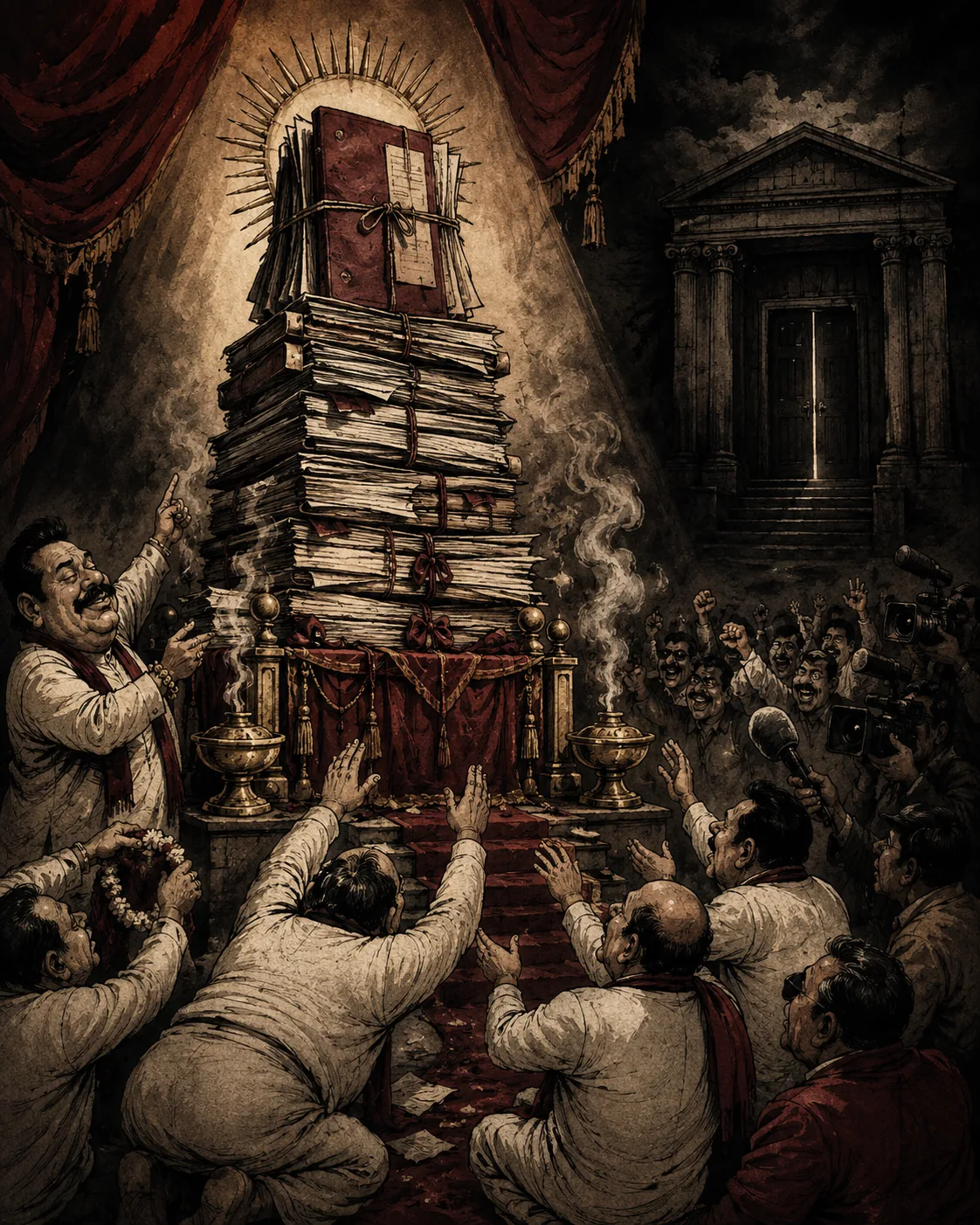
“400 ගොනු” භාෂාවට බලය ඇත්තේ මිනිසුන්ට අවසානයේ ලාච්චු විවෘත කරන බවට සාක්ෂි අවශ්ය නිසාය. හොඳයි. ඒවා විවෘත කරන්න. නමුත් ගොනුව නමස්කාර කරන්න එපා. ලිපිගොනුවක් සාධාරණයක් නෙවෙයි. පුවත්පත් සාකච්ඡාවක් සාධාරණයක් නොවේ. කාන්දු වීම සාධාරණයක් නොවේ. තර්ජනයක් සාධාරණත්වය නොවේ. හොරු ගැන සටන් පාඨයක් තමයි යුක්තිය නෙමෙයි. යුක්තිය යනු සාක්ෂි, ක්රියා පටිපාටිය, අධිකරණය, වරදකරු කිරීම, ප්රකෘතිමත් කිරීම, ප්රතිසංස්කරණය සහ වැළැක්වීම ය යුක්තිය යනු හුදෙක් පැරණි විලනයෙකු වේදිකාව මතට ඇදගෙන යාම නොවේ ඒ නිසා නව පිරිසට අත්පුඩි තැබිය හැකිය. මේ වන විටත් ලංකාවේ රඟහල වැඩියෙන් දකින්න ලැබෙනවා. දූෂණ නඩු සැබෑ නම් ඒවා අධිකරණයෙන් බේරෙන්න තරම් පිරිසිදු කරන්න. හමුවීම් වැරදියි නම් ඒවා ඉක්මනින් නිවැරදි කරන්න. ඇමතිවරයෙක් අසාර්ථක වුණොත් නාට්ය නැතුව ඔහුව ඉවත් කරන්න. යම් ප්රතිපත්තියක් ජනතාවට රිදෙනවා නම් හානිය ස්ථිර වීමට පෙර එය පිළිගන්න. රටට පළිගැනීමේ කොස්ප්ලේ අවශ්ය නැහැ. එයට ගණන් කිරීමට, පාපොච්චාරණය කිරීමට, නිවැරදි කිරීමට සහ දිගටම කරගෙන යා හැකි මහජන බලය අවශ්ය වේ.
The Bill Comes Due (9/12)
පරණ නියෝගය මැරිලා නැහැ. ඒක බලාගෙන ඉන්නවා. සෑම ප්රමාදයක්ම, සෑම හමුවීමක්ම, සෑම ව්යාකූල පැහැදිලි කිරීමක්ම, සෑම ඉන්ධන කම්පනයක්ම, සෑම පොහොර පැමිණිල්ලක්ම, සෑම මරණයක්ම, සෑම කටකතාවක්ම, සෑම අහංකාර පිළිතුරක්ම, සෑම පක්ෂපාතී නිදහසට කරුණක් ම නරඹමින් සිටී. පැරණි නියෝගය නැවත පැමිණෙන්නේ එලෙසිනි. මිනිස්සු එයට ආදරය කරන නිසා නෙමෙයි. මන්ද යත් නව නියෝගය මතකය සාකච්ඡා කළ හැකි බවට පත්වීමට තරම් දරුණු ලෙස බලාපොරොත්තු සුන් කරයි. මේ සඳහා ශ්රී ලංකාවට අපිරිසිදු දක්ෂතාවයක් තිබෙනවා. ඊයේ අපකීර්තිය හෙට දවසේ “පළපුරුදු අත” බවට පත්වෙනවා. ඊයේ හොරා අද “ස්ථාවරත්වය” බවට පත්වේ. ඊයේ ආපදා කළමනාකරු හෙට දවසේ වැඩිමහල් රාජ්ය තාන්ත්රිකයා බවට පත්වේ. AKD සහ NPP ආයතනයට සදාචාරාත්මක කම්මැලිකම දරාගත නොහැකි වන්නේ එබැවිනි. ඔවුන් අසාර්ථක වුවහොත් ඔවුන් අසාර්ථක වන්නේ පමණක් නොවේ. ඔවුන් ඉවත් කිරීමට උත්සාහ කරන රට ආසන්න කඩා බිඳ දැමූ ජනතාව සඳහා දොර නැවත විවෘත කරයි. ඒ තමයි ලාංකේය දේශපාලනයේ කළු කොමඩියයි. පරණ රාක්ෂයාට හොඳ වෙන්න ඕන නැහැ. අලුත් පොරොන්දුව දුර්වල වෙන්න විතරයි.
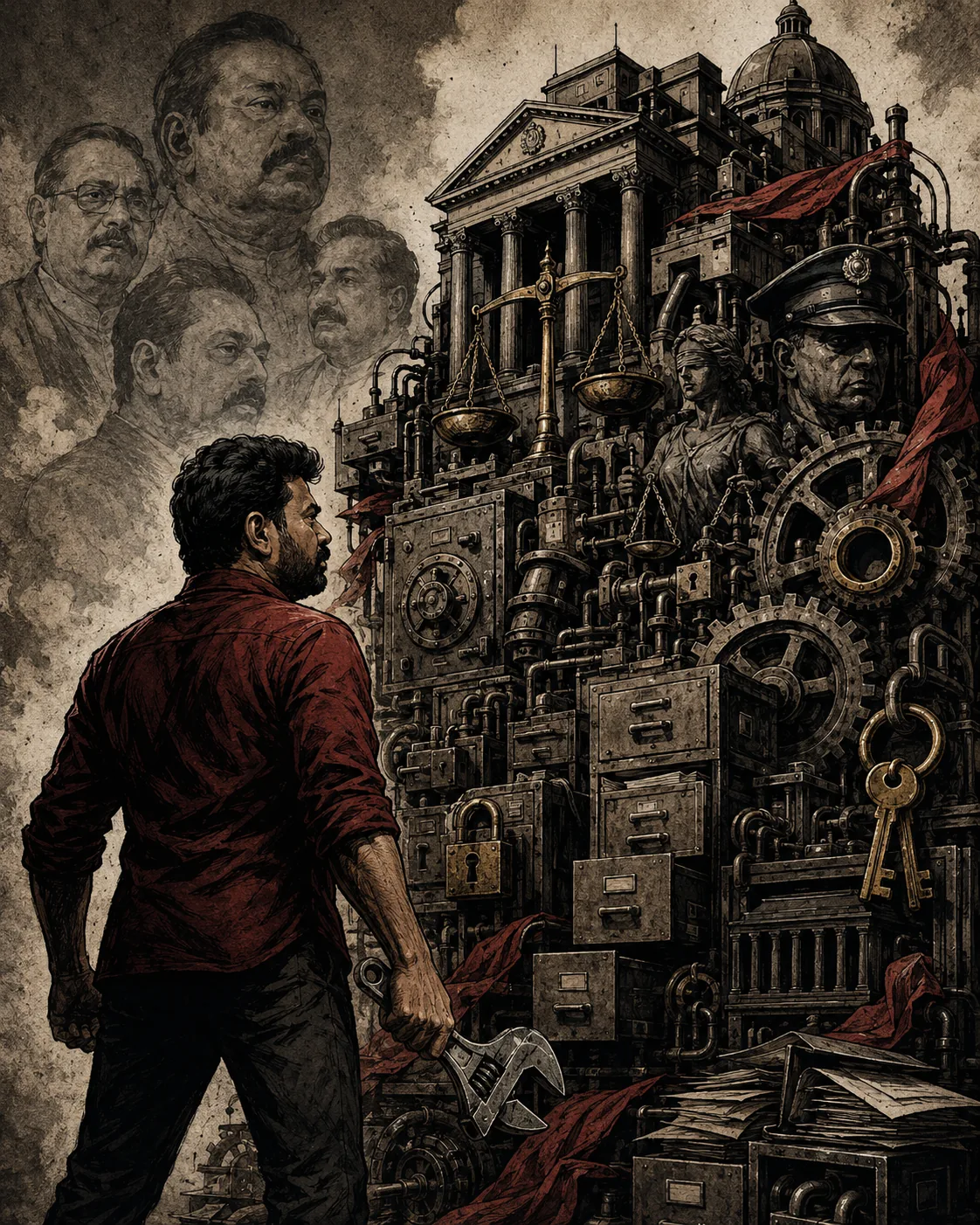
The Bill Comes Due (10/12)
දැන් ඕනෑම කෙනෙකුට රාජපක්ෂවරුන්ට වෛර කරන්න පුළුවන්. ඒක ලේසියි. සැබෑ පරීක්ෂණය වන්නේ ඊළඟ රාජපක්ෂලාට එතරම් පහසුවෙන් වර්ධනය විය නොහැකි ක්රමයක් ශ්රී ලංකාවට ගොඩනගා ගත හැකිද යන්නයි. ඒ කියන්නේ ආයතන. ඒ කියන්නේ ප්රසම්පාදන නීති. ඒ කියන්නේ වත්කම් ප්රකාශ කිරීමයි. ඒ කියන්නේ ස්වාධීන විමර්ශන. ඒ කියන්නේ අධිකරණය ඉදිරියට යන එක. ඒ කියන්නේ ගෘහ සේවිකාවක් වගේ හැසිරෙන්නේ නැති රාජ්ය මාධ්ය කියන එකයි. ඒ කියන්නේ පක්ෂ පාට වෙනුවෙන් නැමී නොසිටින පොලිසියයි. ඒ කියන්නේ පූජනීය පවුල් නැත, පූජනීය පක්ෂ නැත, පූජනීය සිවුරු නැත, පූජනීය නිල ඇඳුම් නැත, පූජනීය විප්ලවවාදීන් නැත. ඒක තමයි පරීක්ෂණය. එක පවුලකට දඬුවම් දෙනවද කියන එක නෙමෙයි. ඒ පවුල බිහි කළ කොන්දේසි බිඳ හෙළා දමන්නේද යන්නයි. NPP අතීතයට පමණක් නඩු පැවරුවත් අනාගත අපචාර සඳහා සූදානම්ව යන්ත්රෝපකරණ අතහැර දැමුවහොත් රට වෙනස් වී නැත. ඒක වෙනස් කරලා තියෙන්නේ දොරවල් වල තියෙන නම් විතරයි.
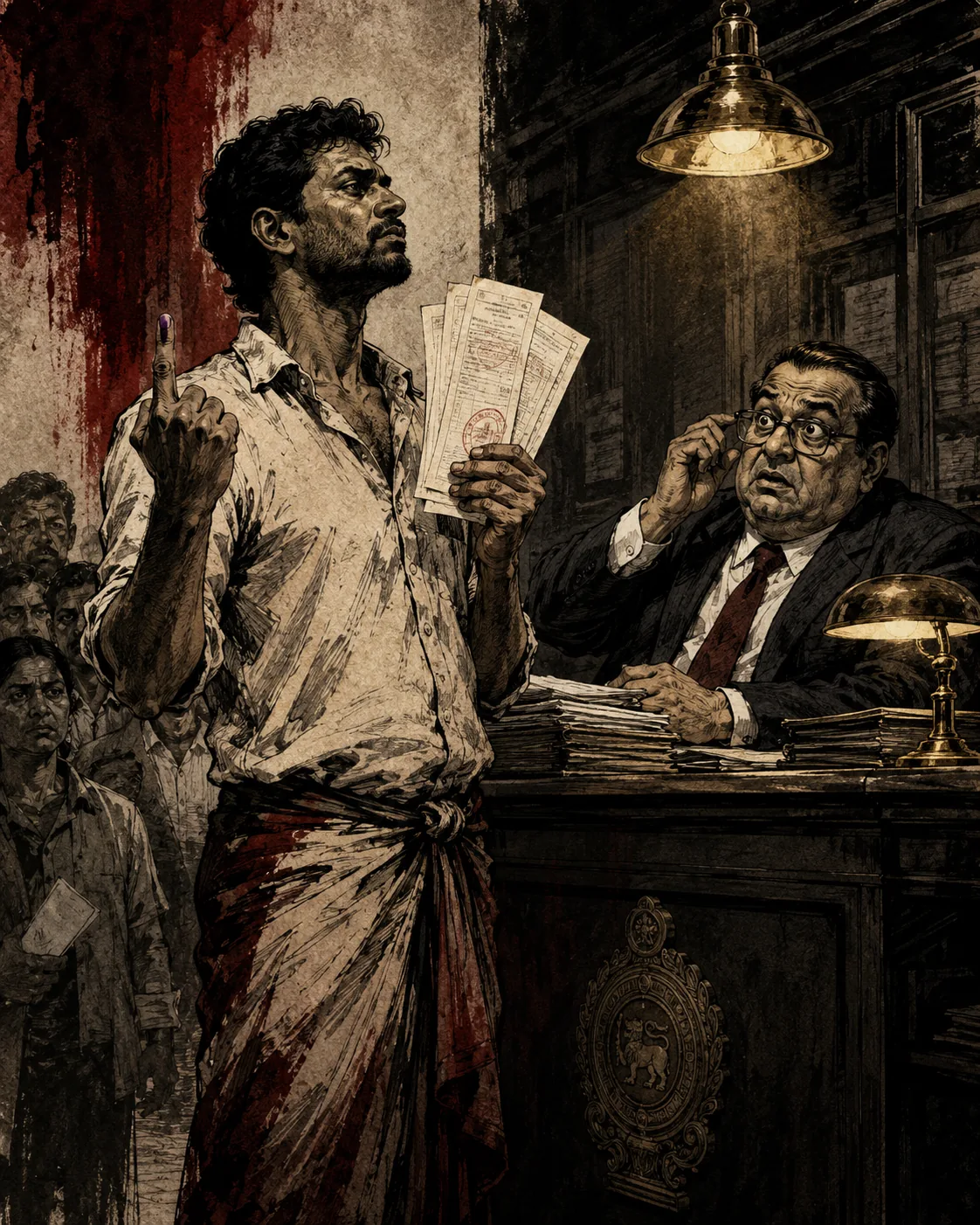
The Bill Comes Due (11/12)
පාලකයන්ගෙන් කරුණාව ඉල්ලන හිඟන්නෙකු මෙන් මහජනයා කතා කිරීම නතර කළ යුතුය. මහජනයා තමයි අයිතිකාරයා. රාජ්යය අයිති වන්නේ ඒ වෙනුවෙන් ගෙවන, ඒ යටතේ දුක් විඳින, ඒ ඇතුළේ ඡන්දය දෙන, තම ජීවිත එහි අසාර්ථකත්වයන් යට තැන්පත් කරන ජනතාවටය. පුරවැසියන් වාර්තා ඉල්ලා සිටින විට, ඔවුන් නොඉවසිලිවන්තව සිටී. පුරවැසියන් පත්වීම් ගැන විමසූ විට, ඔවුන් වෙනසක් කඩා වැටෙන්නේ නැත. ඉන්ධන, පොහොර, මිල ගණන්, දූෂණ හා අධිකරණ නඩු ගැන පුරවැසියන් විමසූ විට ඔවුන් විපක්ෂයට සේවය කරන්නේ නැත. ඔවුන් කරන්නේ ජනරජයකට අවශ්ය කාර්යය. ප්රශ්න ඉවසන්න බැරි ආණ්ඩුවක් දැනටමත් කුණුහරුප වෙලා ඉන්නවා. සෑම විචාරකයෙකුම සතුරෙකු ලෙස හඳුන්වන ව්යාපාරයක් දැනටමත් එය ප්රතිස්ථාපනය කළ දේ බවට පත්වෙමින් පවතී. ඒ නිසයි ලිපිය වැදගත් වෙන්නේ. එය පරිපූර්ණත්වය ඉල්ලා සිටීම නොවේ. ජනවරමට උරුම වූ ජනතාවට එය තමන්ට දුන්නේ කවුරුන්ද යන්න තවමත් තේරෙනවාද යන්න විමසමින් සිටී. උත්තරය කථාවක් විය නොහැක. එය හැසිරීමක් විය යුතුය.
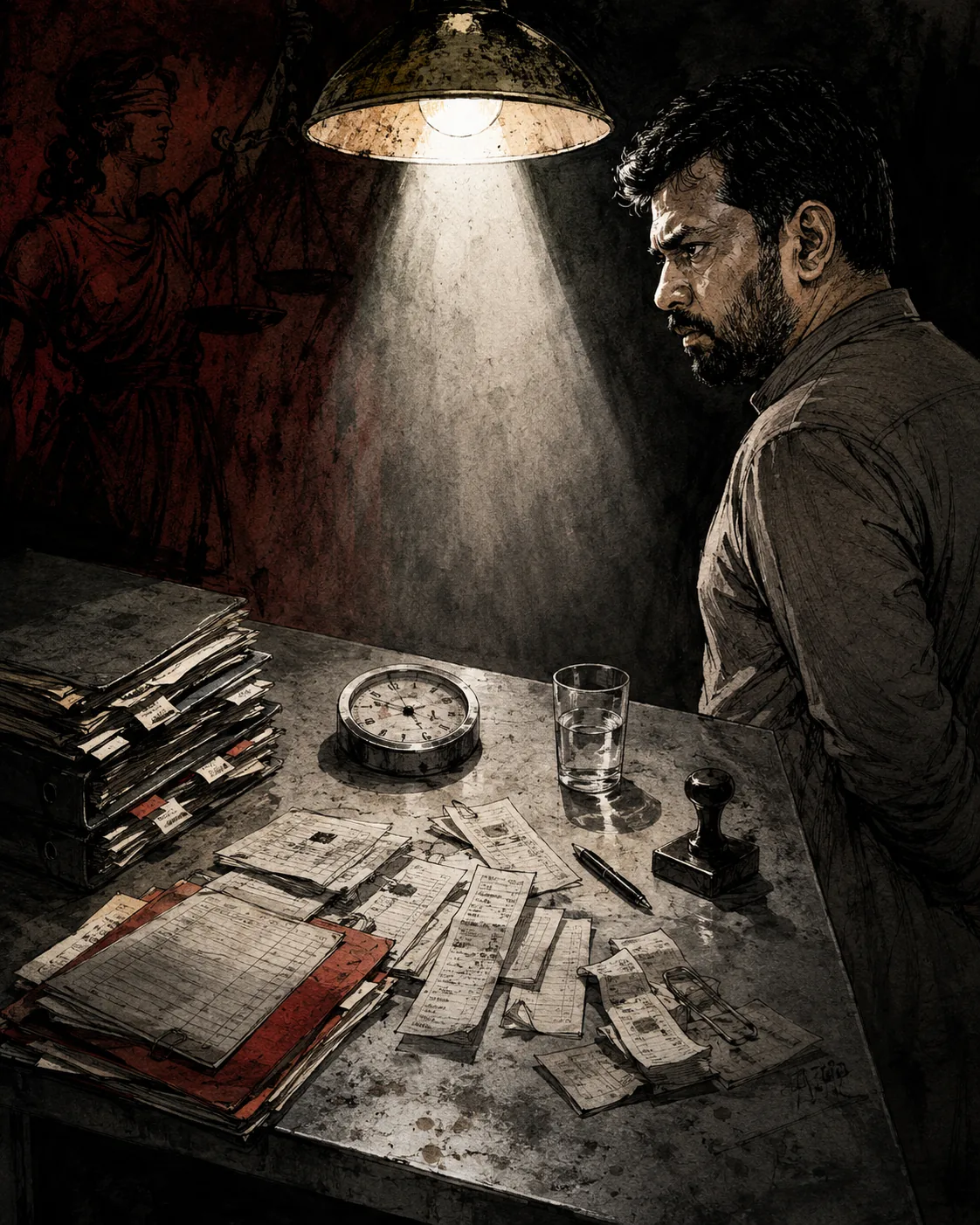
The Bill Comes Due (12/12)
තිය මෙන්න සීතල ප්රමිතිය. වාර්තා තබා ගන්න. කරුණු ප්රකාශයට පත් කරන්න. අසාර්ථකත්වයන් නම් කරන්න. වේගයෙන් නිවැරදි කරන්න. අතීතය පිටුපස සැඟවී සිටීම නවත්වන්න විවේචන පාවාදීම ලෙස සැලකීම නවත්වන්න අභ්යන්තරයන් තමන්ගේ ජීවිත තුළ කිසි විටෙකත් ඉවසන දේවල් ගැන ඉවසිලිවන්ත වන ලෙස පුරවැසියන්ගෙන් ඉල්ලා සිටීම නවත්වන්න. ඉණිමඟක් විතරක් වගේ පාලනය කරන අතරේ අරගලයා සිද්ධස්ථානයක් විදියට පාවිච්චි කිරීම නවත්වන්න
.මහිමය වියදම් කරන්න ඔයාගේ නෙවෙයි. ඒ මහිමය අයිති වන්නේ බියෙන් දිශාව වෙනස් කරගත් මිනිසුන්ට ය. AKD සහ NPP ට එය ආරක්ෂා කිරීමට අවශ්ය නම්, ඔවුන් රජයේ නීරස, ම්ලේච්ඡ වැඩ කළ යුතුය: විනය, අවංකභාවය, බෙදා හැරීම, නිවැරදි කිරීම, විනිවිදභාවය සහ නීතිය. රඟහල නෙමෙයි. ප්රාණ හාමුදුරුවෝ නෙමෙයි. පාරිශුද්ධත්ව කථා නොවේ. “අපිව විශ්වාස කරන්න” නැහැ. ශ්රී ලංකාව මේ වන විටත් ගොඩක් අය විශ්වාස කරලා තියෙනවා. ඊළඟ අදියර විශ්වාසය නොවේ. එය සාක්ෂියකි. ඒක තමයි රේඛාව. සාක්ෂි, නැතහොත් චලනය.
The Bill Comes Due (12/12)
මෙන්න සීතල ප්රමිතිය වාර්තා තබා ගන්න. කරුණු ප්රකාශයට පත් කරන්න. අසාර්ථකත්වයන් නම් කරන්න. වේගයෙන් නිවැරදි කරන්න. අතීතය පිටුපස සැඟවී සිටීම නවත්වන්න විවේචනය පාවාදීම ලෙස සැලකීම නවත්වන්න අභ්යන්තරයන් තමන්ගේ ජීවිත තුළ කිසි විටෙකත් ඉවසන දේවල් ගැන ඉවසිලිවන්ත වන ලෙස පුරවැසියන්ගෙන් ඉල්ලා සිටීම නවත්වන්න. ඉණිමඟක් විතරක් වගේ පාලනය කරන අතරේ අරගලයා සිද්ධස්ථානයක් විදියට පාවිච්චි කිරීම නවත්වන්න
.මහිමය වියදම් කරන්න ඔයාගේ නෙවෙයි. ඒ මහිමය අයිති වන්නේ බියෙන් දිශාව වෙනස් කරගත් මිනිසුන්ට ය. AKD සහ NPP ට එය ආරක්ෂා කිරීමට අවශ්ය නම්, ඔවුන් රජයේ නීරස, ම්ලේච්ඡ වැඩ කළ යුතුය: විනය, අවංකභාවය, බෙදා හැරීම, නිවැරදි කිරීම, විනිවිදභාවය සහ නීතිය. රඟහල නෙවෙයි. ප්රාණ හාමුදුරුවෝ නෙමෙයි. පාරිශුද්ධත්ව කථා නොවේ. “අපිව විශ්වාස කරන්න” නැහැ. ශ්රී ලංකාව මේ වන විටත් ගොඩක් අය විශ්වාස කරලා තියෙනවා. ඊළඟ අදියර විශ්වාසය නොවේ. එය සාක්ෂියකි. ඒක තමයි රේඛාව. සාක්ෂි, නැතහොත් චලනය
Status: 992,304 words done, another 475,650 to go
I'm busy editing and reviewing close to 500k words. I am also running synchronously our operations. So we're unsure.
We want AI passes on the work, too.
I did up-to 2023. But I found from AI, that 2020 had mistakes. So we'll be on May 12th, working on that, 2021, and 2022. To review it for safety.
I'm devastated, with how our hard work, censor tags were somehow, erased, removed or broken that way.
This work, is very easy to misread, without those, as a movie or book is mostly in the editing, really, final presentation product/layer.
I think it's not possible to release it by today. It'll take about I'm going to say, around about, 10 days.
We can put up stuff.
I also, did work hard on the about pages or Pages App, where our user facing pages were all updated.
So that's good, it's done. I should slowly read, focus and finish it up.